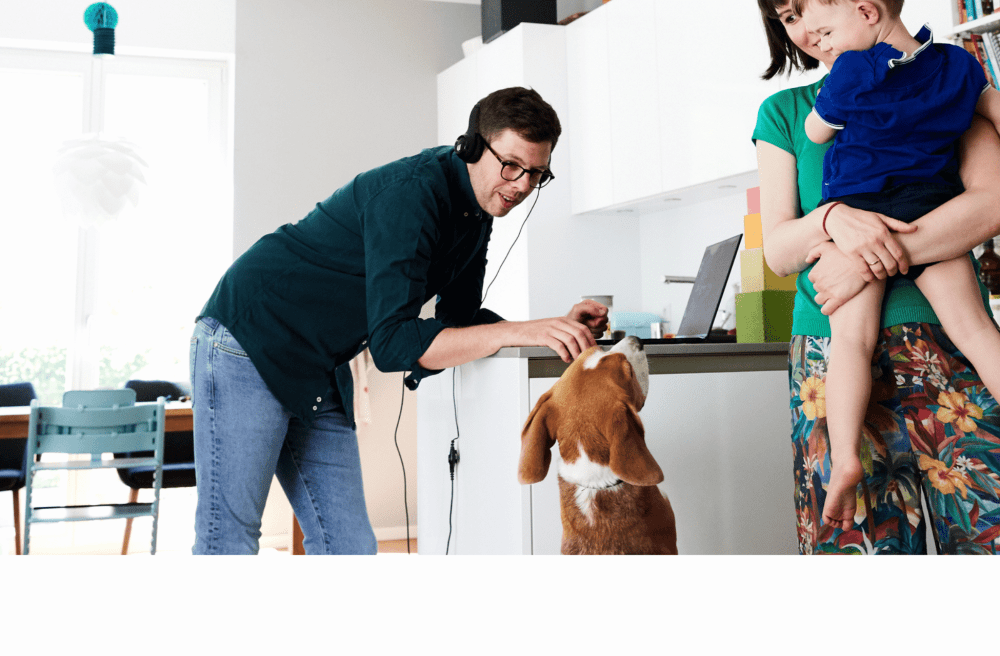

Nearly 70% of your customers now shop both online and in-store, and they account for 87% of category dollars. If your strategy still treats these as separate channels, you’re optimizing for a shopper who barely exists anymore.
That’s the core tension facing pet retail in 2026. Total US pet care sales hit $95.1 billion over the past year, growing 5.5%. But that growth masks a channel shift that should worry anyone still leaning on brick and mortar. In-store sales actually declined 1.4% while online surged 14.1%. In-store’s share of the pie dropped 3.6 points to 52%, and if that trend holds, online could pull even within a year or sooner.
Here’s what makes this more than a simple “shift to digital” story: the erosion is not uniform, and it is not really about convenience. It’s about specialization. Look at what’s still growing in physical stores: fresh dog food, cat treats, Pet supplements. These are categories where pet parents want to see, smell, or ask questions about a product before buying. Meanwhile, categories like pet bowls, accessories, and dry dog food are growing online and not in- store, suggesting that, predominantly across supplies, consumers are moving to purchase more online altogether.
The buyer behavior data tells an even sharper story. Exclusive in-store shoppers dropped 6.5 percentage points in the past year and now represent just 9.6% of dollars spent. Exclusive online shoppers are a rounding error, just 3.3% of dollars. The overwhelming majority of value now sits with the omnichannel shopper, and that shopper is becoming pickier, not just more digital.
Is Your Next Shelf Reset Putting Share at Risk?
Your shelf reset is coming up whether you’re ready or not. Talk to an NIQ pet industry expert and walk away with a read on which of these 10 trends is costing you share right now, and which one is your fastest opening.
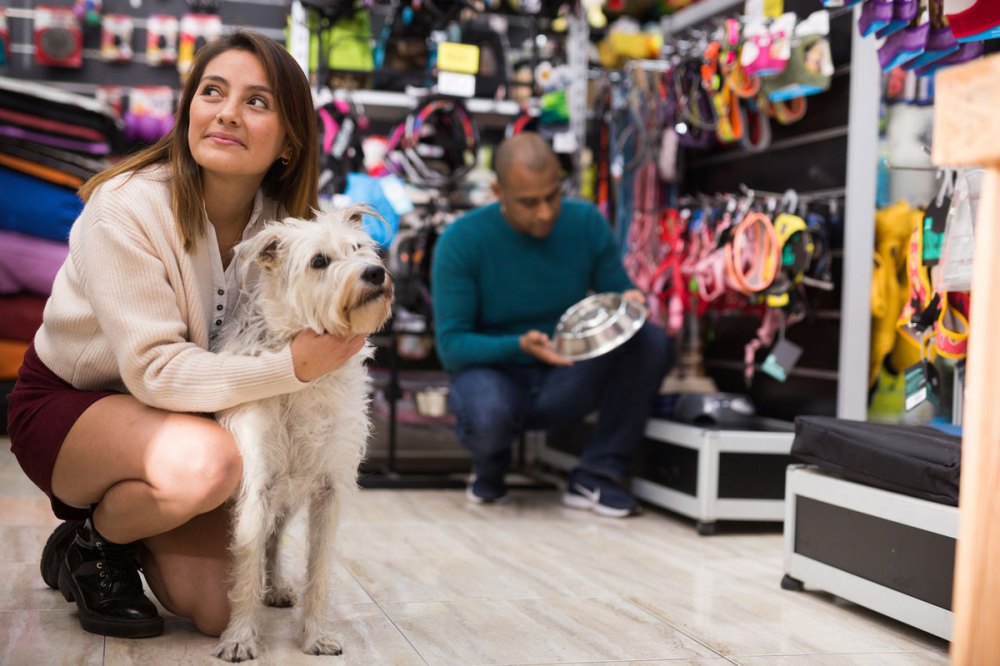
So, what are they actually buying?
Four themes are pulling wallet share right now: functional wellness, humanization, enrichment, and smarter pet parenting. Gut health is the standout, with pet care products carrying “postbiotic” claims growing a startling 148% year over year, though the category still represents a small piece of total sales. Protein claims show an even more counterintuitive pattern: generic “high quality protein” labeling barely moves units, growing just 1%, while “human grade protein” claims are up 42%. The lesson for anyone stocking shelves or writing packaging copy: vague health claims don’t convert anymore. Specificity does.
Fresh pet food offers a similar wake-up call. Consumers cite three barriers to buying it: cost, not seeing the need, and lack of cold storage. Yet “freshly cooked” claims on shelf-stable products, no refrigeration required, are growing 92%. That’s not a mere indication of a niche trend but a signpost for how manufacturers can solve a stated consumer objection without touching the supply chain.


Enrichment products are quietly becoming their own category. Electronic toys are up 27% year over year, treat-dispensing toys up 15%. Connected pet care shows a similar split: treat-dispensing cameras are climbing 32% while plain pet cameras are declining, meaning pet parents are no longer content with just watching their pets anymore, they now want to interact with them remotely.
And then there’s the crossover nobody saw coming five years ago: pet care meeting beauty. Health and beauty care is now the fastest-growing department across the entire store at 9.2%, outpacing even household care. Premium and super-premium dog and cat shampoo products are growing 7.1% and 3.3% respectively, while moderate and value tiers are declining by as much as 10.3%. Pet parents, it turns out, are trading up on grooming the same way they trade up on their own skincare.
None of this looks like a market cooling off. It looks like a market segmenting fast, rewarding specificity, premiumization, and channel fluency all at once. The retailers and brands that treat this as one undifferentiated “pet care” category are going to keep losing share to the ones asking a sharper question: which of these ten trends is already showing up in my own sales data, and am I positioned to capture it before a competitor does?
Download the complete report
Get the full breakdown of all 10 growth trends, category-by-category data, and the channel numbers behind them. Download the complete Pet Retail 2026 report.