The Accountability Era of Snacking
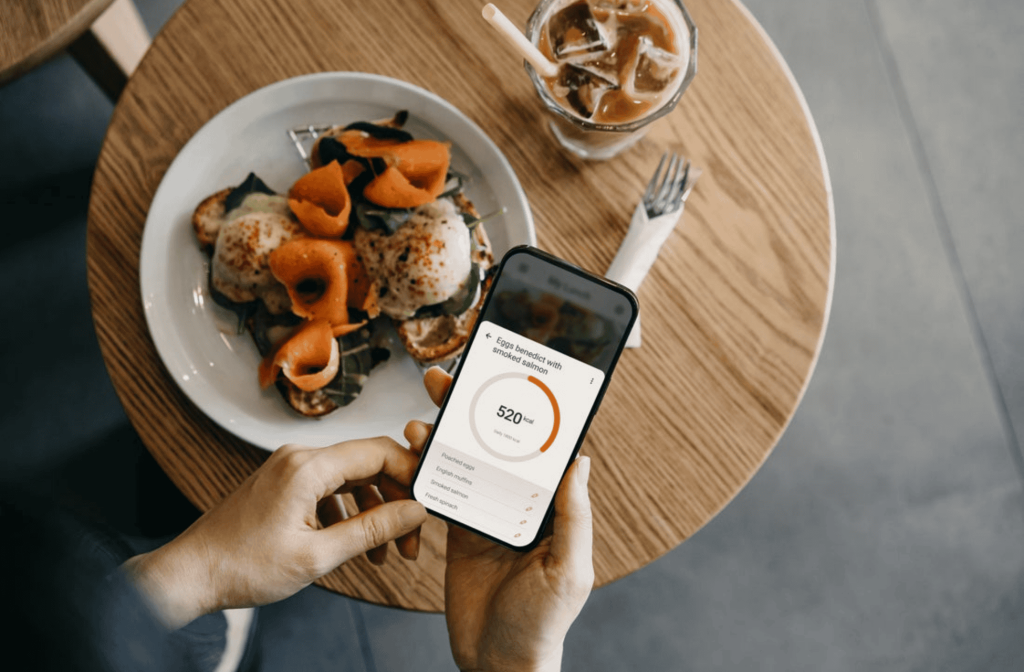
Seventy percent of snack shoppers who use ingredient-scanning apps require a minimum product score of 51 out of 100 or higher before they will buy. For brands and retailers alike, that statistic captures a fundamental shift: consumers are no longer snacking on autopilot.
For decades, snacking thrived on habit, impulse, convenience, and the occasional craving. Those forces still matter. Hunger remains the top reason consumers snack, cited by 55% of shoppers. Yet today’s snack decision carries far more scrutiny than it once did. Pleasure, indulgence, reward, health goals, affordability, ingredient quality, and digital influence now compete for attention every time a purchase is made.
The backdrop is hard to ignore. Forty-six percent of consumers say inflation has caused them to buy snacks less often, while 38% are reducing impulse purchases. At the same time, snack prices have climbed sharply, with total snack unit prices up 16.5% versus a year ago.
The result is a consumer who is increasingly deliberate.
Health has become one of the most powerful forces shaping the category. More than half of consumers intentionally choose snacks that support health and wellness multiple times per week. Nutrition outranks taste, convenience, branding, packaging, and innovation when shoppers evaluate snacks that align with their long-term health goals. Protein remains the leading benefit consumers seek, with 60% actively trying to consume more of it every day.
Yet even protein shows signs of entering a more complicated phase.
Consumers continue to want protein, but they also question excess. More than one-third believe the industry is overhyping protein, while 37% think some products contain too much of it. Simply adding another claim to the package is no longer enough. Shoppers increasingly want benefits that feel authentic, justified, and aligned with broader health expectations.
The rules of snacking are changing. Is your strategy keeping pace?
Connect with an NIQ expert to explore what these trends mean for your business and uncover opportunities for growth.
Technology is accelerating that scrutiny
One-quarter of consumers now use third-party scanning apps to check ingredients, up eight points from just months earlier. Half of app users say they rely on these tools to verify nutritional information found on packaging. A low rating can quickly derail a purchase, with 87% of app users saying they are likely to put a product back if it receives a poor score or contains ingredients that raise concerns.
At the same time, discovery is becoming increasingly digital. Fifty-six percent of social media users discover food and beverage products often or sometimes through social platforms, and social commerce continues to gain momentum. Yet discovery and purchase are becoming separate events. After finding a new candy or chocolate product on social media, shoppers are still most likely to look for it in a grocery store or big-box retailer first.
That creates both opportunity and pressure.
Brands must win twice
First in the algorithm, then at the shelf.
Retailers face a different challenge. Consumers still trust packaging more than any other source of snack information, but technology, apps, social platforms, and AI are steadily inserting themselves into the decision process. The traditional path to purchase has become fragmented.
The emerging lesson from Snackonomics 4.0 is clear: every snack must earn its place. Every claim must withstand scrutiny. Every price premium must be justified.
And this is only the beginning.
Because if Part I is about accountability, the next chapter will examine the forces consumers are scrutinizing most closely, including protein, fiber, sustainability, beverages, and the next generation of snack shoppers.
Get the full Snackonomics 4.0 report
Discover how health, technology, AI, and social commerce are reshaping snacking behavior. Explore the trends, insights, and opportunities that will define the future of the snacks industry.