For today’s pet parents, caring for a pet increasingly means thinking beyond treats, toys, and routine veterinary visits. As pets become more deeply integrated into family life, owners are applying the same health and wellness mindset to their animals that they apply to themselves.
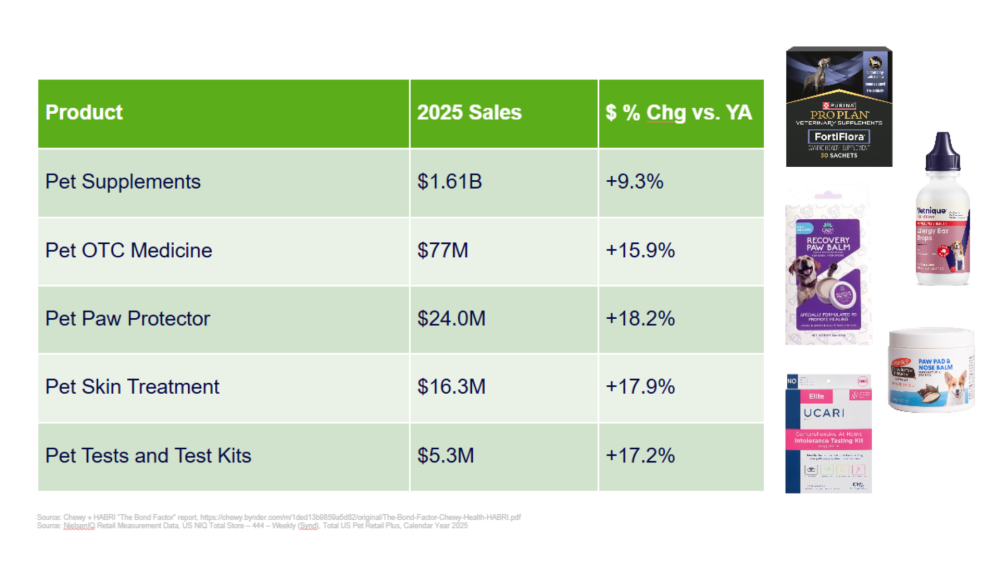
The shift is significant. Pet owners are increasingly focused on maintaining long-term health rather than simply responding to illness when it occurs. From supplements and digestive health products to skin treatments, diagnostics, and personalized nutrition, preventative care is becoming one of the fastest-growing areas of the pet care market.
This evolution is being driven by a powerful emotional reality: pets are no longer viewed as animals occupying the home, but as members of the family. A large majority of pet owners now say their pet is like their own child, influencing how they shop, how they spend, and how they approach decisions around health and wellbeing.
As a result, pet parents are becoming increasingly invested in products that support:
- Preventative health
- Healthy ageing and longevity
- Digestive wellness
- Mental wellbeing and enrichment
- Day-to-day health maintenance and monitoring
The Challenge: More Options, More Complexity
The growth of wellness-focused pet care has created an unintended consequence: decision-making has become far more complicated.
81% of pet owners feel understanding their pet’s health status or needs is a challenge.
Choosing a pet food used to mean selecting a flavor and pack size. Today, pet parents may be considering ingredients, nutritional profiles, breed-specific requirements, gut health, allergies, age, activity level, sustainability credentials, and preventative health benefits before making a purchase.
Understandably, many owners feel overwhelmed. With so much information available, determining what’s best for a specific pet can be challenging. In fact, 81% of pet owners feel understanding their pet’s health status or needs is a challenge.
At the same time, shoppers want reassurance that they are making the best possible decision for a family member who cannot communicate their needs directly.
Why Digital Guidance Is Becoming Increasingly Important
As pet care becomes more personalized, consumers are looking for tools that simplify decision-making and help them identify products that best meet their pets’ needs.
This is where a new generation of digital shopping experiences is beginning to play an important role.
63% of pet owners noted they are willing to adopt more technology to improve care for their pets.
Shoppers are now turning to intelligent search tools, recommendation engines, and AI-powered assistants to help narrow down choices, compare products, and identify solutions that align with a specific pet’s age, breed, lifestyle, or health concerns.
Rather than scrolling through hundreds of products or using filters on an ecommerce platform, pet parents can increasingly ask specific questions such as:
“What’s the best food for a senior cat with digestive sensitivities?” or “What supplements might help support joint health in an ageing Labrador?”
AI is making it easier to navigate an increasingly complex category, helping consumers move from information overload to informed decision-making.
In many ways, digital tools are beginning to bridge the gap between growing wellness ambitions and the practical reality of navigating thousands of available products.
Why This Matters for Brands
As wellness becomes a primary purchase driver, product information is becoming just as important as the product itself.
Pet parents want transparency around ingredients, health benefits, nutritional value, suitability by life stage, and wellness claims. Increasingly, AI tools and recommendation systems are looking for the same information when surfacing products to consumers.
The brands best positioned for the future will be those that make health benefits easy to understand, provide rich and transparent product information, and help both consumers and technology confidently determine which products are right for a specific pet.
This means moving beyond basic product descriptions and investing in content that clearly communicates:
- Functional health benefits
- Ingredient quality and sourcing
- Life-stage suitability
- Feeding guidance
- Wellness credentials
- Preventative care benefits
The easier a product is to understand, the easier it becomes for both shoppers and digital platforms to recommend it.
The Bigger Picture
The future of pet care is being shaped by the convergence of three powerful trends.
- Pets are increasingly treated as family members.
- Pet parents are investing more heavily in preventative health and wellness, seeking ways to improve quality of life and support long-term wellbeing.
- AI tools are making it easier to navigate increasingly complex purchasing decisions.
Together, these forces are transforming how pet products are discovered, evaluated, and purchased.
For brands, the opportunity is clear: support pet parents not only with great products, but with the information, guidance, and confidence they need to make the best decisions for the animals they love.
In a category built on trust, the winners won’t simply be the brands with the best products. They’ll be the brands that make it easiest for pet parents to understand, compare, and feel confident in the choices they make every day.
Want to learn more about the trends shaping the future of pet care?
Download Content That Converts: The Pet Care Edition for insights into pet parent behaviors, wellness trends, AI-powered discovery, and the content strategies helping brands win online.