The State of Omnichannel Grocery Shopping in America
Fact #1: Emerging technology powers in-store and online shopping
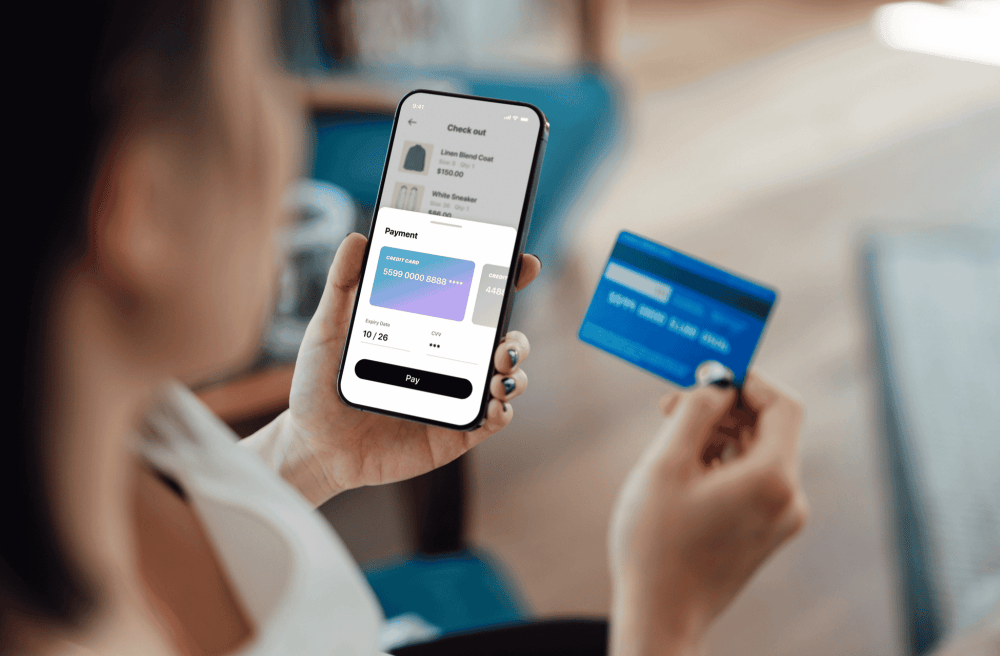
Food retailers are incorporating a wide array of technology into their organizations to enhance shopper experiences and engagement. In-store examples include mobile checkout systems, smart carts and foodservice ordering and delivery. Retail media networks are prime examples of technology to drive discovery and trial. Retailers are also improving their ecommerce platforms to enable benefits, including enhanced speed and filtering.
Fact #2: Online grocery sales continue to advance
The projection is for continued advances in grocery omnichannel sales — across physical stores and ecommerce — between 2026 and 2028. While stores currently represent about 80% of grocery-related sales, ecommerce will drive most of the growth, according to an NIQ analysis. Total U.S. online grocery sales are projected to reach $452 billion by 2028.
Fact #3: Categories vary in ecommerce adoption journeys for grocery
Digital maturity varies by category. For example, vitamins/beauty is advanced in ecommerce, while fresh (meat/vegetables) remains in-store-led.
Fact #4: Social Media selling is fueling discovery and impulse
Social commerce adoption is growing, especially for Gen Z. TikTok Shop and Instagram are emerging conversion points, and brands have opportunities to integrate social into discovery-to-checkout journeys.
Discover What’s Shaping the Future of Grocery Shopping
The Digital Engagement Transforms Grocery Shopping 2026 study is part of a strategic alliance and multi-year initiative with FMI and NielsenIQ to uncover comprehensive insights on current and future digital shopping behaviors within the food retail marketplace. FMI and NIQ have been conducting a series of research reports on these topics reaching back to 2017. This latest report, Digital Engagement Transforms Grocery Shopping, charts the transformation triggered by the COVID-19 pandemic and the ongoing emergence of new technologies that are reshaping the grocery shopping experience.