Shifting social habits and evolving consumer priorities are rewriting the rules for how and where Americans drink. From neighborhood bars to grocery aisles, brands are navigating a landscape where premiumization meets price sensitivity, moderation meets indulgence, and Gen Z’s flavor‑first mindset challenges tradition.
NIQ’s Directors of BevAl, Kaleigh Theriult and Drew Hummel, presented at the recent Brewbound Live event to unpick the important trends across channels.
Content
The Channel Squeeze: On-Premise vs Off-Premise
Alcohol dollars are slipping across both major channels. On-Premise sales fell 1.6%, while Off-Premise declined 1.0% over the past year. Premiumization and moderation trends are reducing overall volume, even as total alcohol dollars sit at $222 billion. Ready‑to‑Drink (RTD) products now account for roughly 7% of combined On- and Off-Premise sales, signaling a shift toward convenience and flavor‑forward formats.
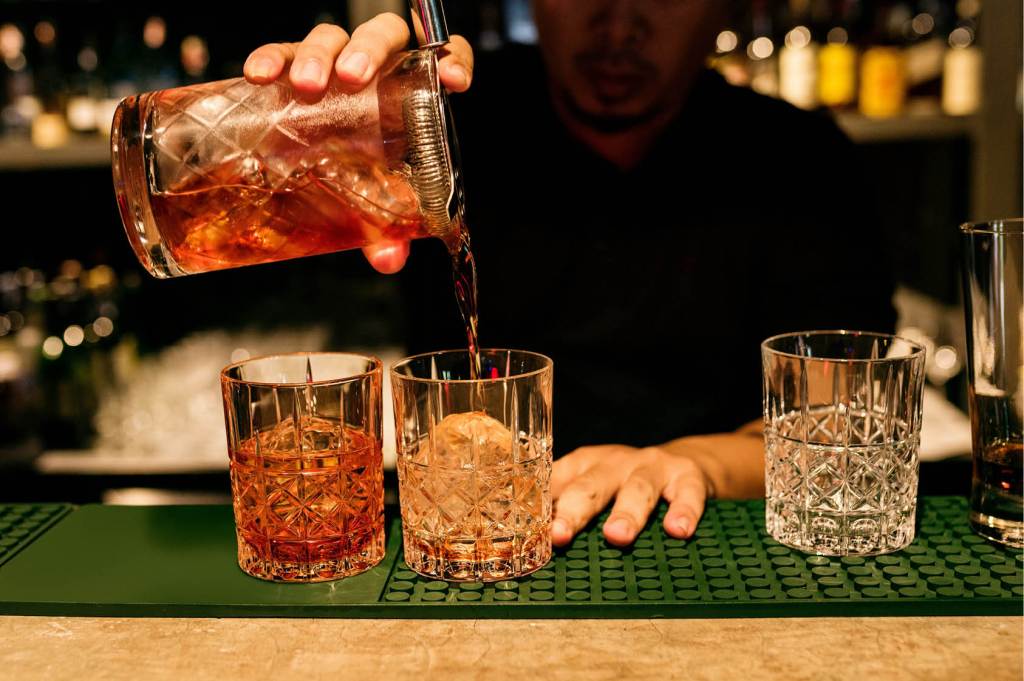
Behavioral dynamics differ sharply by channel. In Neighborhood bars, winning the first drink of the night is critical, as 80% of consumers opt for the same drink category and brand. That initial choice often sets the tone for the occasion. Off-Premise purchases are highly planned (78%) and linked to same‑day consumption, making mission‑based merchandising and quick‑occasion cues essential.
Suppliers can leverage success across channels. For On-Premise, signature serves, tap takeovers, open-hour incentives and identifying On-Premise trial-to-retail conversion. For Off-Premise, lean into planned missions with bundle packs, and clear ABV and flavor cues at shelf. Optimizing shelf adjacencies for RTDs and sessionable formats and identify flavor profiles or pack sizes to drive same-day missions.
The Income Divide: Premium Pull vs Value Pressure
Higher‑income households are driving growth in premium segments. Consumers earning $100K+ over‑index in Craft Beer, Super Premium, Hard Seltzer and Cider. Meanwhile, lower‑income cohorts are pulling back, pressured by rising costs and negatively impacting Beer dollar sales trends.
Interestingly, affluent consumers still frequent bars and restaurants weekly, but their drinking‑out occasions are softening, suggesting cost consciousness even among wealthier groups. Protecting value with economical packs and price points, while premiumizing for affluent shoppers through limited releases and effective storytelling. In bars and restaurants, helping consumers justify spend with quality cues, ingredient transparency rather than deep discounting could be an effective way to drive consumption.
Gen Z’s Flavor‑First Era
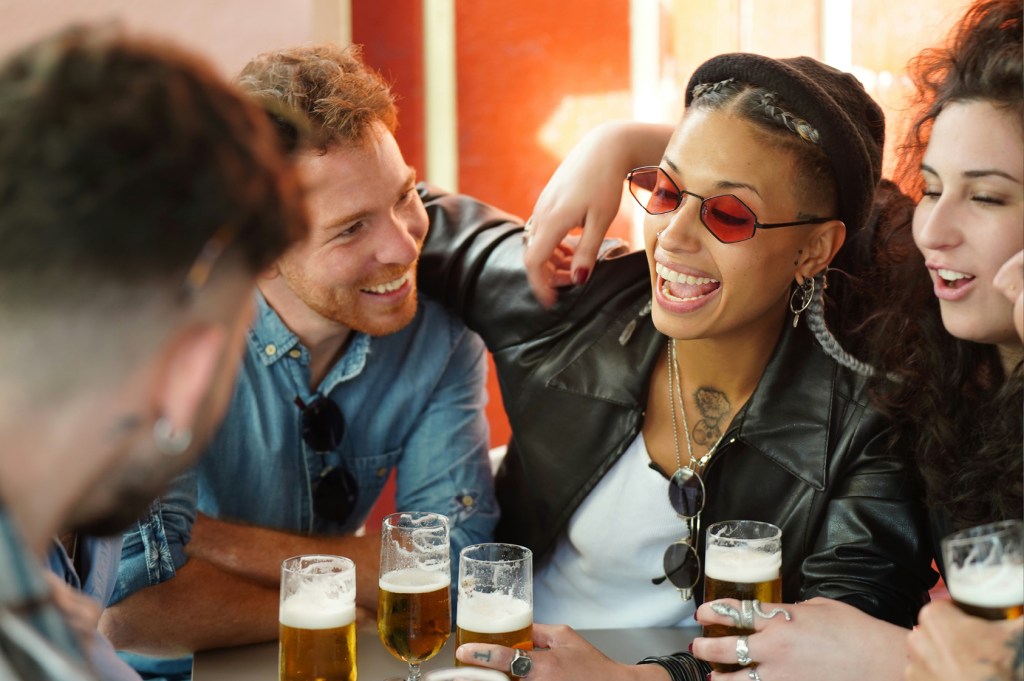
Gen Z (21+ LDA) accounts for just 11% of beverage alcohol buying households and 7% of dollars, but their influence is outsized. RTDs are their category of choice, with spend indexing at 158 versus the total panel. Variety packs and bold flavors dominate their repertoire. When it comes to craft beer, Gen Z prioritizes unique flavor (34%) and high‑quality ingredients (30%), and they’re highly sensitive to packaging and serve—tap‑handle design indexes at 456, and 51% of Gen Z regional craft beer drinkers prefer draft over packaged formats.
On-Premise discovery is a powerful conversion lever: 73% of Gen Z and regional craft drinkers say they’re more likely to buy a brand in‑store after trying it in a bar or restaurant; 69% have already done so.
Moderation Without Compromise
Health and wellness trends are reshaping the repertoire. Non‑alcoholic Beer, Wine, and Spirits generated $925 million in Off-Premise sales, up 21.9% vs year ago. These products now represent 0.8% of total alcohol sales. Non-alcohol products are solidifying their place in the consumer repertoire: 47% of On-Premise visitors mix alcoholic and non‑alcoholic options in the same occasion (“zebra striping.”) Meanwhile, 93% of non-alc buyers also purchase alcohol, reinforcing that non-alcohol is a complement, not a competitor.
ABV matters, too: 47% of On-Premise consumers say alcohol content influences their choice, fueling a proliferation of low‑, mid‑, and high‑ABV options. Tracking non-alc adoption and zebra-striping behaviors and crossover purchase patterns will be important to monitor to identify ways to capture spend across the categories.
Innovation vs Core: Growth Through Balance
Only 9% of BevAl companies grew their innovation sales, and 10% of beer manufacturers launched active innovations in the past year, yet companies growing innovation sales are 2.14× more likely to grow overall. Gen Z and craft drinkers are highly experimental, making them ideal audiences for pilot launches.
The On-Premise is a core channel for innovation adaption with consumers. Maintaining core-brand reliability while offering new trial opportunities and activations can help strengthen retail conversion and scale.

“The future of beverage alcohol isn’t about choosing between value and vibe—it’s about balancing both. Premiumization and moderation will coexist with affordability and indulgence. Gen Z will demand flavor and flexibility, while Boomers sustain core categories. For suppliers, the playbook is clear: win the first drink, embrace occasion‑based strategies, and innovate with intent.”
Drew Hummel
NIQ’s Senior Director – BevAl
Get in touch
NIQ provides a best-in-class suite of research to help Beverage Alcohol stakeholders understand the latest sales trends and consumer engagement in the market, delivering in-depth analysis of channels, occasions, segments, pricing and much more.