The liquor landscape is being rapidly reshaped by omnichannel strategies that engage consumers across physical and digital channels, and brands that don’t adapt risk getting left behind.
Webinar insights
Insights from NIQ & The Drinks Association webinar
Those were among the messages from an exclusive recent webinar that was packed with insights from NIQ’s suite of beverage alcohol research solutions, including Omnishopper, OPM, OPUS and REACH. Led by NIQ’s Industry Insights Lead for Beverage Alcohol Tom Graham with The Drinks Association CEO Georgia Lennon, it highlighted the need for consumer-centric campaigns that fulfil needs across retail, online and experience-led channels. Here are some of the top takeaways.
Headroom for online growth
One of the biggest recent dynamics for brand owners has been the surging use of online platforms – not just for discovery but for sales. NIQ’s Omnishopper shows that while 73% and 68% of Australia’s consumers have purchased alcoholic drinks in the On-Premise and bricks-and-mortar retail respectively, only 9% have done so online.
Although online sales are rising fast, there’s still a lot of untapped growth potential – especially among younger adults, who currently under-index for online liquor sales. Value and range are both key to success in e-commerce, and brands need to understand exactly how they perform here. “There’s clear headroom for the online channel… it’s not a replacement for the On-Premise and retail, but an expansion of channel repertoires,” said Tom Graham at the webinar.
A complex interplay of channels
With digital touchpoints now so well established, it’s clear that no single channel wins alone in beverage alcohol. Instead, there’s a constant interaction, with each channel influencing others. For example, 43% of consumers have gone on to purchase a drink in a shop or On-Premise venue after seeing it online, while 60% are likely to purchase one from a retailer if they have enjoyed it in a bar or restaurant.
“The core omnichannel truth is that you don’t discover, trial and repeat in one channel… it’s happening across multiple touchpoints that are all connected,” said Tom Graham. For suppliers, this complex interplay makes it vital to track each route’s importance and balance investment accordingly.
On-Premise engagement rising…and changing
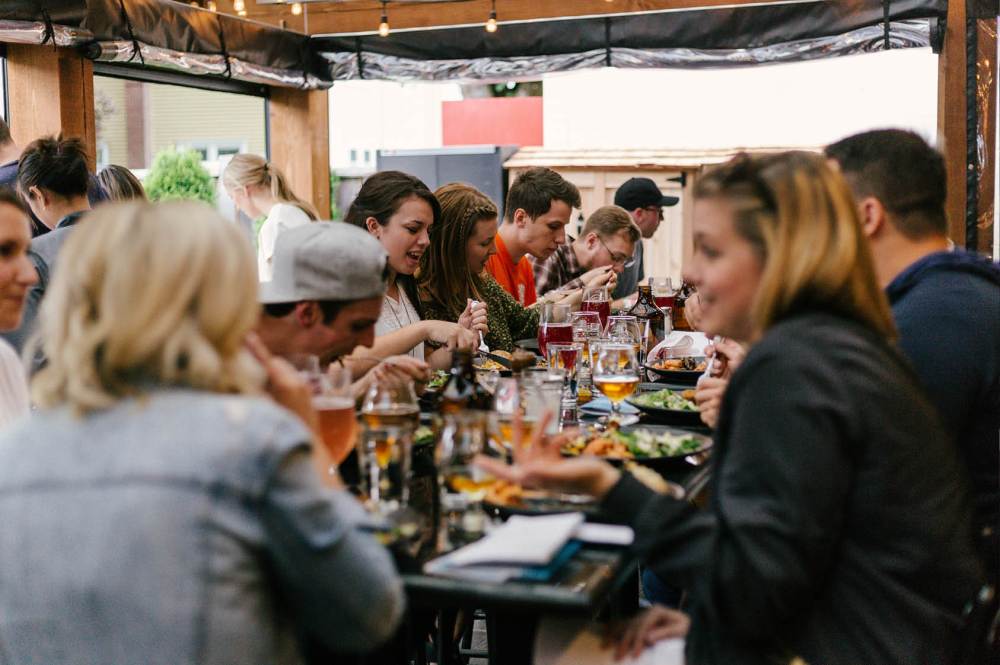
While online channels are increasingly valuable, the On-Premise remains a pivotal source of discovery and loyalty for liquor brands. And the good news is that after a tough few years, visits are rising. More than half (52%) of Australia’s consumers are currently drinking out weekly, which is up by 9 percentage points from three years ago. Weekly visitation among 18 to 34 year-olds is even higher at 68%.
However, the make-up of On-Premise visits is changing at pace. This is increasingly an experience-led channel, where people go for celebrations, activities and ticketed occasions as well as beverages. Effective strategies start with understanding precisely why people are drinking out. “We’ve seen a clear shift towards higher intensity, experience-led occasions, with fewer moments mattering more. We really need to think about how we’re winning those moments with the right serve in the right venues,” Tom Graham said. For brands that get the On-Premise strategy right, there’s the opportunity to convert interest into retail and online purchases as well.
Digital counts, but face-to-face matters most
NIQ’s OPUS data shows brands have extensive opportunities to influence purchasing decisions in the On-Premise. With nearly three quarters (64%) saying they haven’t decided which category and / or brand to buy until they set foot inside in a pub, many of these moments are connected to in-venue visibility and activations.
For brands to secure spend, it’s vital to know how people are ordering as well as why. Digital options are increasingly important, and 20% of visitors to hotels say they would now prefer to order through tech like apps or QR codes. However, physical touchpoints like menus, special boards and tap handles remain cornerstones of decisions. Bartenders are another enduring factor, and a third (34%) of those visiting bars say staff recommendations help them decide what to drink.
Brands need to know how each point of influence works and invest strategically. “It’s about thinking which moment, need state and channel best suit your brand… and showing up where and how people are ordering their drinks,” said Tom Graham.
Proactivity is key to omnichannel success
Omnichannel behaviour is shifting, and more change is coming – including from AI, which has the potential to transform online visibility. The final frontier is a fully inter-connected journey for consumers, who move without friction across digital, retail and On-Premise spending.
“Standing still is a risk – we need to look forward and be proactive,” Tom Graham advised. “The brands that grow won’t be the ones with the most touchpoints, but the ones that use each interaction to shape the next choice.”
There’s all to play for in the dynamic but complex world of the omnichannel, he added. “It’s about building preference and simplifying choice before shoppers face the shelf – whether that’s physical or digital. Your job is to win before the point of sale and create influence upstream.”
NIQ’s powerful combination of sales measurement and consumer research provides The Full View™ of Australia’s beverage alcohol market, helping brands and retailers understand what people buy, why they buy it, and what to do next.
Ready to win in Australia?
To learn more about optimizing omnichannel strategies, get in touch