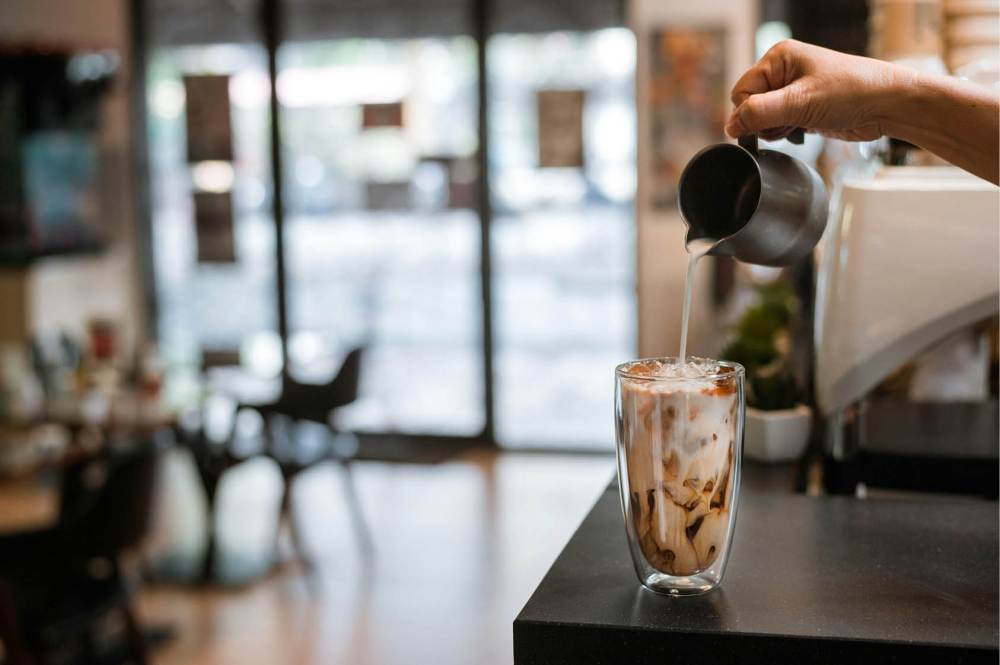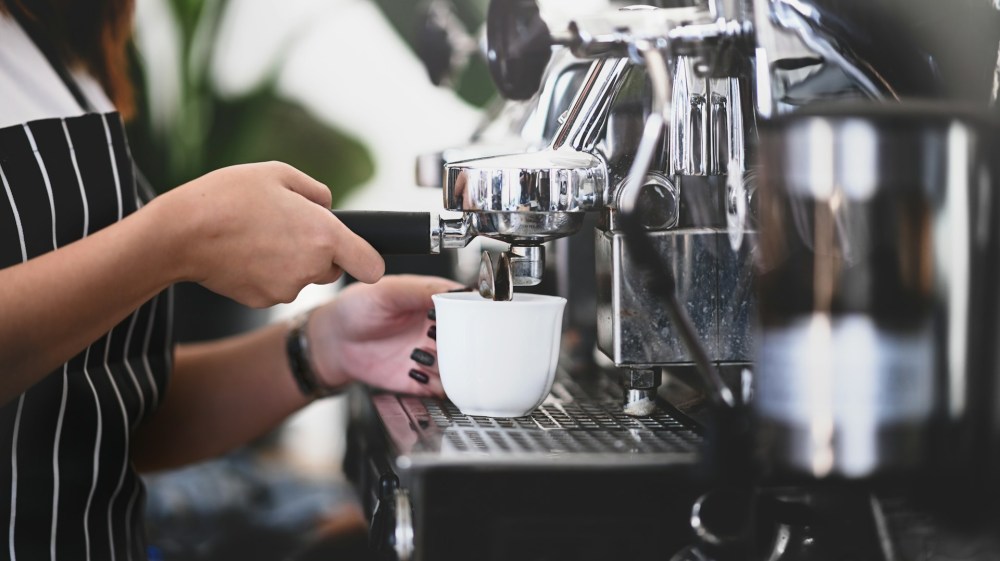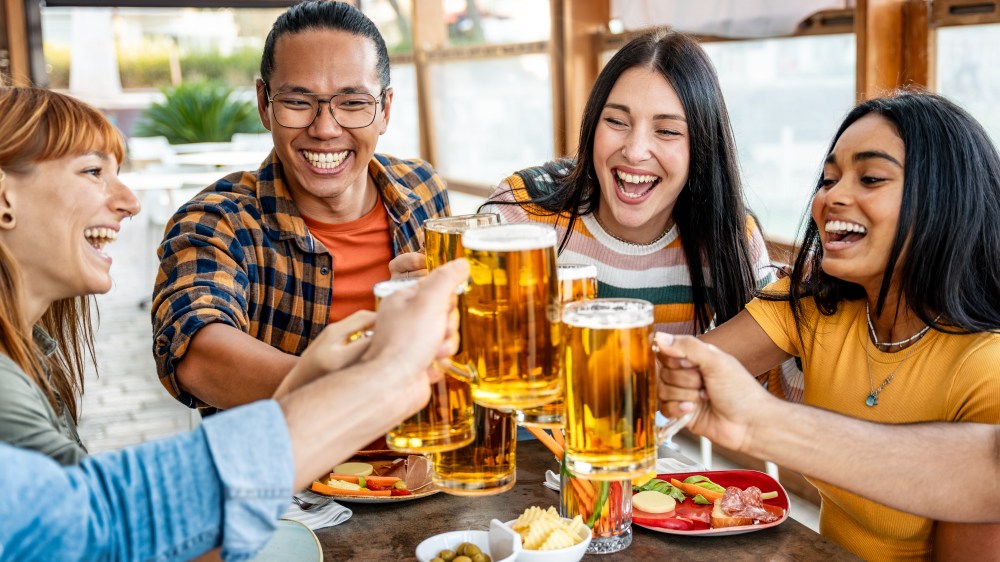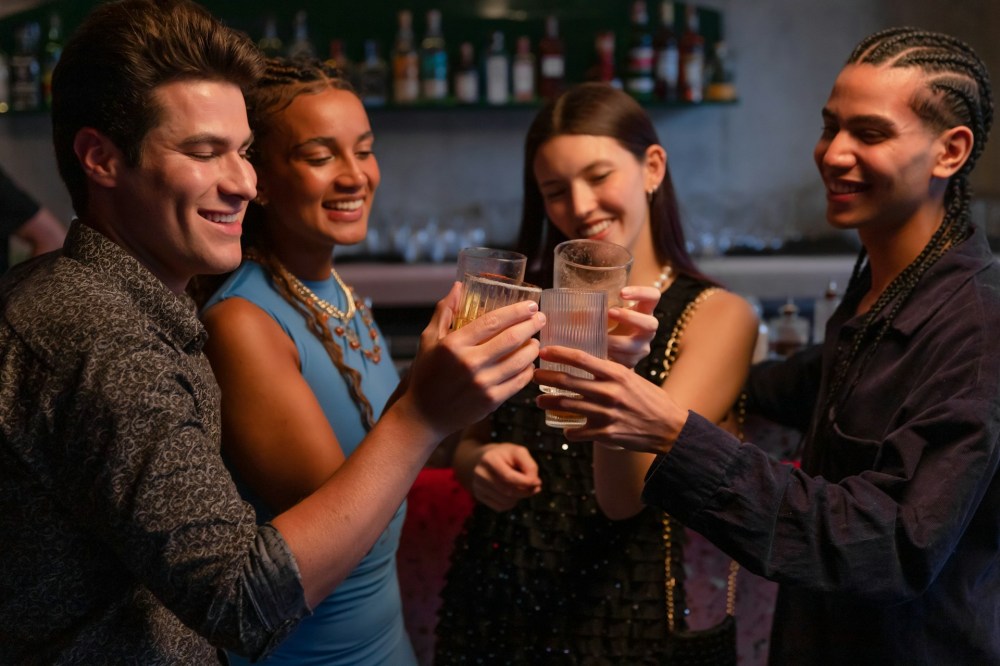
Those are among the headlines from NIQ’s new REACH 2026 research, which delivers the insights that suppliers need to achieve growth around the world. The exclusive study provides expert analysis of habits and needs in 46 countries, based on a survey of 34,500 nationally representative On-Premise consumers.
Upcoming Webinar:
Make it easy to say Yes: Why drinks brands win by removing friction
Join NIQ’s On-Premise experts for this webinar revealing how this consumer shift is reorganising around more selective, higher-scrutiny occasions, value perceptions on spending, opportunities beyond traditional venues and the factors influencing their choices.
Pick a time that suits you best – Register now:
Session 1– Time: 10 am Dubai (GST) / 11:30 am New Delhi (IST) / 2 pm Singapore (SST) / 4 pm Sydney (AEST)
Date: 29th September 2026
Session 2- Time: 3 pm London (BST) / 10 am New York (ET) / 11 am São Paulo (BRT)
Date: 29th September 2026
A global On-Premise health check
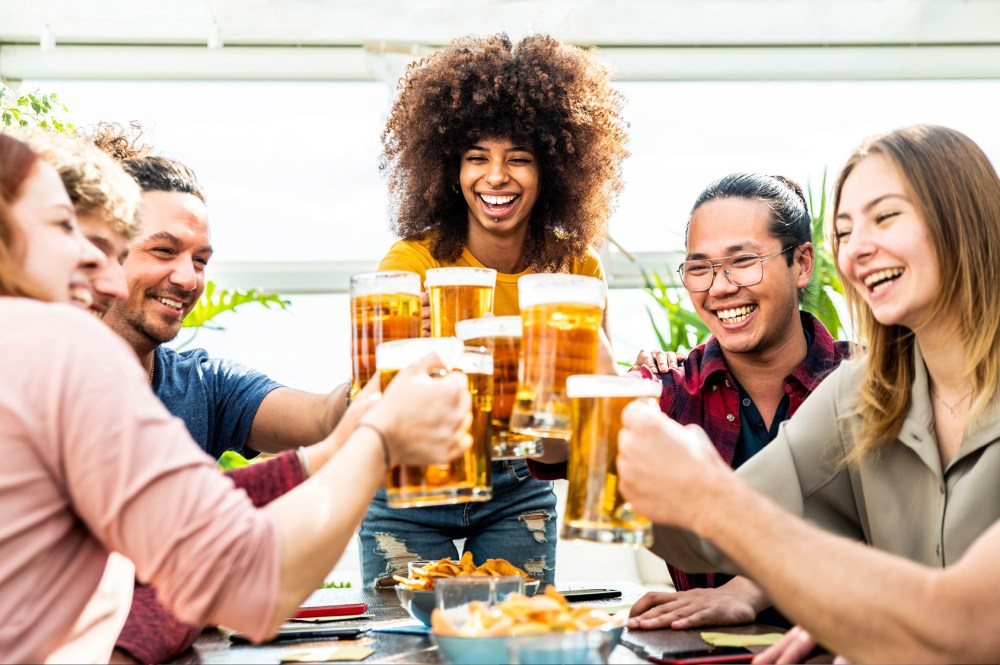
REACH highlights the many challenges for On-Premise suppliers in 2026 – but it also confirms the enduring global passion for eating and drinking out.
Total visits are down by 5.0% year-on-year, and NIQ’s On-Premise Measurement solution indicates similar drops in the volumes of beer and spirits in key territories. Nevertheless, around three in five (59%) consumers still use the On-Premise weekly, and 57% say they would feel lost or disappointed if they couldn’t go out. And crucially, fewer visits don’t mean lower spend. While volumes dropped in the 12 months to April 2026, the value of sales actually rose. Consumers might be visiting less, but they are maximising their spend when they do go out, and it is creating higher-value and more intentional occasions.
Consumers’ future plans provide more reasons for optimism. More than a fifth (22%) plan to visit venues more often in the next three months – notably more than the 14% who will go out less. Gen Z are a particularly attractive audience, because they are 11 percentage points more likely than average to visit the On-Premise weekly.
Footfall in June and July was also boosted by the FIFA World Cup, which has brought millions of consumers out to pubs and bars. While the tournament is over, it has shown that when consumers are given compelling reasons to go out, they will respond; not just for big sporting events but for live music, festivals, food halls and other experience-led occasions. People want to prioritise moments that feel special, create memories and make their trip worthwhile. Suppliers and operators who reach beyond traditional On-Premise settings into these high-engagement occasions can drive reach, and volume.
The moderation movement
Major changes in consumers’ needs include moderation. More than three in five (62%) consumers are now moderating their alcohol consumption, while three quarters (76%) of operators say they are changing their offer to accommodate these moderators.
But there are opportunities as well as challenges here, with many moderators saving alcohol for selected occasions, or looking for mid-strength serves and alcohol-free alternatives on every day and lower tempo occasions. Making it easy for consumers to achieve this controlled enjoyment will be the key to unlocking their spend.
A new place for premium

Brands and operators also need to redefine their role in the premium space. Despite pressure on disposable incomes, more than half (55%) of consumers are still likely to pay more for a better-quality drink. Asked about their plans with a set amount of money, 63% of consumers stated they would buy one or two high-quality drinks while just 9% would choose four or five standard or value ones.
However, while ‘less but better’ remains popular, this preference has softened year-on-year as consumers become increasingly selective with discretionary spending. They are redefining what quality and premium mean, with the all-round experience of a drink becoming just as important as what’s in the glass. Service, atmosphere and execution all shape perceptions of value, and premium is no longer simply a product attribute; it is something that must be delivered in the moment.
Trade-ups can never be taken for granted. They are most likely when consumers feel the overall experience of their purchase is worth the additional spend. For brands and operators, that means focusing on exceptional execution, high-quality, distinctive serves and memorable moments.
Another vital way to meet consumers’ needs in 2026 comes through simplification. As consumers consolidate their drinks choices, two thirds (66%) would opt for more simple and accessible drinks, and nearly three quarters (73%) would choose more palatable and easy-to-drink options.
There’s still a big role for innovative and complex serves, especially among higher spenders, who remain more likely to seek out unusual drinks and new experiences. However, in a more intentional On-Premise, complexity needs to be easy to navigate. Clear menu positioning, recognisable serves and simple descriptions can help consumers engage with more creative drinks which are impressive, without increasing decision fatigue.
Social media matters, with 26% of guests typically choosing cocktails that look impressive and Instagrammable. However, its importance has declined in recent times, and in many cases it’s the brands that are easiest to choose that are influencing decisions quickest. Growth will come from reinforcing availability and removing friction at the point of choice.
Trust and consistency are very powerful too. A quarter (25%) of consumers say their brand preferences are based on the consistently high quality they get, and even more (28%) choose a brand because they trust it. This makes trust a powerful brand-building tool. If a serve changes by venue, a drink is hard to identify, or the quality is inconsistent, brands can quickly lose the trust they have built up. Executing a simpler serve while retaining its premium elements is the best way to protect this trust.
Making it easy
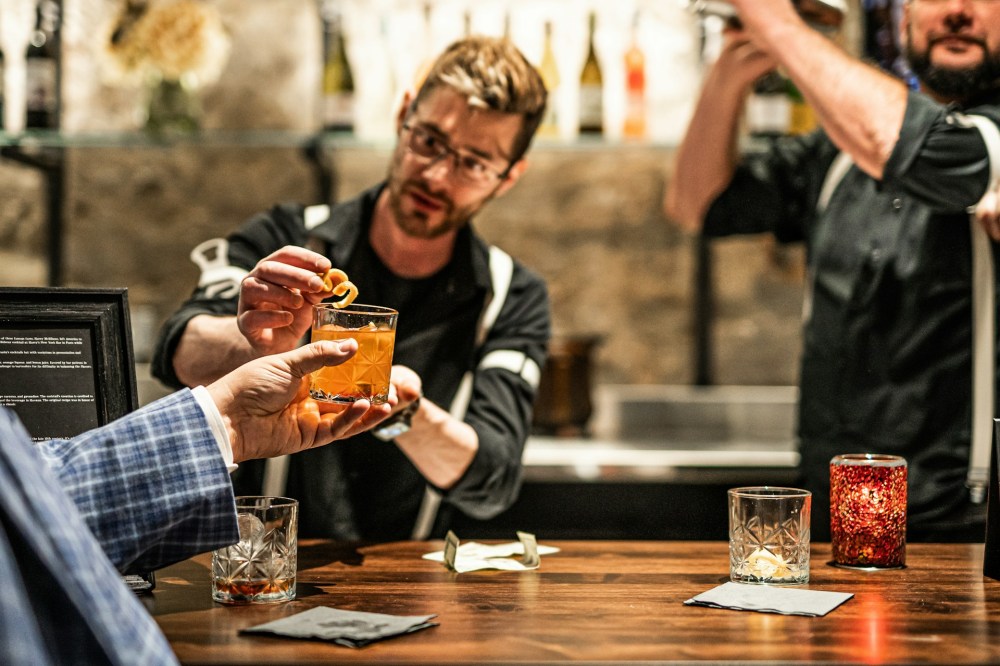
REACH’s top takeaways
REACH shows how consumers’ behaviour is changing across the board. They need persuasive reasons to leave home, to be sure their spend is justified, to enjoy choices they know and trust, and to enjoy themselves today without compromising tomorrow. In this new environment, the brands that win will be those that remove friction at every stage and make it easy for consumers to find and choose. In today’s intentional On-Premise, growth comes not from maximising reach, but from maximising relevance.
“While visits and volumes are down in many parts of the On-Premise, it maintains a very high appeal around the world. However, it’s vital to understand that consumers’ behaviour has substantially changed, and habits are unlikely to return to previous behaviours. To grow spend and share, suppliers and operators will need to grasp this new normal and identify the pinch points that stop consumers going out and spending. Making it easy for people to choose their visits and brands will ensure relevance across the channel and maximise the opportunities that present themselves. REACH is the perfect starting point for success in this fast-changing global market, and we’re looking forward to helping suppliers, manufacturers and operators thrive over the rest of 2026 and beyond.”
–Graeme Loudon, Global On-Premise Insights Leader at NIQ

Make it easy to say Yes: Why drinks brands win by removing friction
Join NIQ’s On-Premise experts for this webinar revealing how this consumer shift is reorganising around more selective, higher-scrutiny occasions, value perceptions on spending, opportunities beyond traditional venues and the factors influencing their choices.
Register now
Session 1– Time: 10 am Dubai (GST) / 11:30 am New Delhi (IST) / 2 pm Singapore (SST) / 4 pm Sydney (AEST)
Date: 29th September 2026
Session 2- Time: 3 pm London (BST) / 10 am New York (ET) / 11 am São Paulo (BRT)
Date: 29th September 2026