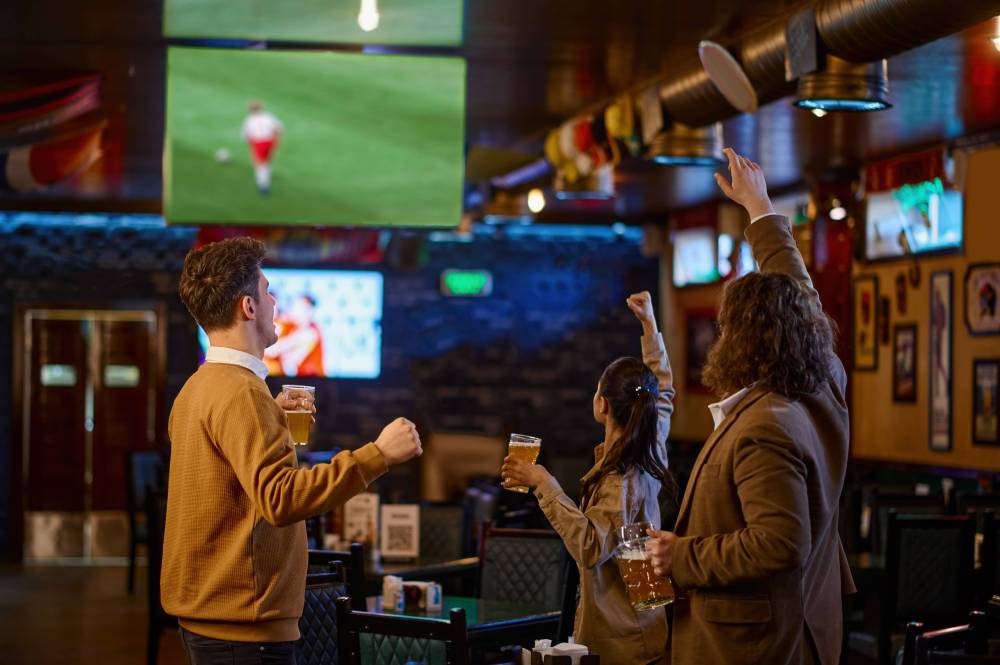
Score big in the On-Premise this World Cup
NIQ research reveals how brands and operators can reap huge sales from the FIFA World Cup – but only if they adapt to fast-changing consumer needs and the timing of games.
All to play for
NIQ’s latest Homescan data reveals nearly half (48%) of British households plan to watch at least some matches – a sign of the enduring nationwide appeal of the World Cup. This is slightly higher than the level of interest (45%) at the last major football tournament, the Euros in 2024. Businesses will also benefit from the length of the 2026 competition, which at seven weeks and 104 games is the biggest ever.
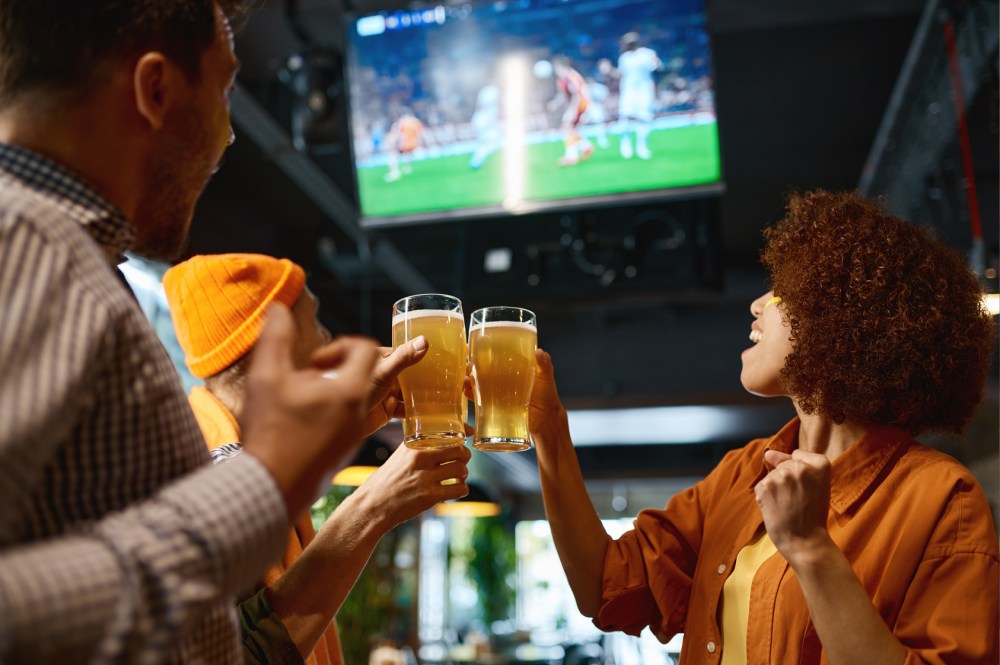
There is strong demand for the World Cup In the On-Premise as well. NIQ’s recent Go Technology research with Zonal shows one in six (17%) consumers plans to watch a game in a hospitality venue, and 25% of these are likely to buy more drinks than usual. While watch-at-home levels will be very high, pubs and bars can tempt people out by highlighting their special atmosphere and sociability.
Rising to the time zone challenge
However, engagement with this tournament is altered by the timing of games. Some fixtures, including England’s early matches, will kick off in the late evening, which makes them ideal for BevAl spending. But many other games are being played in the early hours of the morning, which means some consumers will be catching up later rather than watching live.
NIQ’s early World Cup sales data shows how the time zone issue is impacting trading patterns. The 9pm kick-off for England’s first match against Croatia meant the day’s trading spiked at 10pm, and there were sustained year-on-year uplifts through to 1am. Meanwhile, Scotland’s game against Haiti delivered a significant uptick between 11pm and 1am as fans visited pubs and bars before the 2am kick-off.
Timings will continue to a direct impact on fans’ plans. HomeScan indicates that while well over half of consumers would watch games ahead of the quarter finals that kick off at 4pm (56%) or 7pm (63%), fewer (42%) will stay up for 10pm starts. Just 16% plan to watch matches that start at 1am. Pubs, bars and restaurants will need to adapt to shifting daypart dynamics as the tournament progresses.
Opportunities beyond beer
Category-wise, beer is usually the biggest winner during big sporting tournaments. Beer drinkers are 5 percentage points more likely than average to watch the tournament in the On-Premise, and they are 4 percentage points more likely to spend more than usual.
However, the opportunity spans far wider. Other attractive targets include cocktail drinkers, who are 6 percentage points more likely to spend more on drinks during the World Cup than usual, and 9 percentage points more likely to try new drinks or brands. Beer will be core to sales, but cocktails, spirits and soft drinks can all benefit too, so long as brands discover where, when and why they are wanted.
Fingers crossed for success and sunshine
The benefits of the World Cup will also depend on the fortunes of England and Scotland. More than two thirds (69%) of consumers plan to watch a 7pm game in the later stages of the competition if it involves a team they are interested in. But engagement will be dramatically lower if their country is knocked out, leaving brands and operators pinning their hopes on progress.
The weather will be another big factor in sales. Some of England’s matches in the 2024 Euros coincided with high temperatures, and this combination led to some of the biggest-earning days of that year. Tracking forecasts, and adapting stocking and promotional activity in response, is crucial.
Consumers’ World Cup favourites
In BevAl, NIQ’s research shows World Cups and good weather tend to benefit Long Alcoholic Drinks (LAD), with beer and cider sales spiking in shops, pubs and bars. Big events also attract younger adults with good spending power to the On-Premise, which can drive trade-ups to premium brands. Ready to Drink (RTD) products are similarly well placed, thanks to their convenience and suitability for social occasions.
Another big trend will be in play at this year’s World Cup: moderation. With so many consumers altering the patterns of their alcohol consumption, no- and low-alcohol alternatives could have some of their biggest ever sales opportunities. Soft drinks will be in focus, and the timing of kick-offs could help energy brands in particular. Group viewing occasions mean Off-Premise purchases will tilt towards large pack sizes.
However, moderation doesn’t apply to everyone, and success for England and Scotland is likely to boost higher-alcohol categories like spirits too. Food-wise, sunshine will boost categories like barbecue items, ice cream and frozen desserts. Snacks could be in high demand in both the On-Premise and Off-Premise, and the time zones will bring the chance for meals before kick-offs, whether in homes, pubs, bars and restaurants or via deliveries and takeaways.
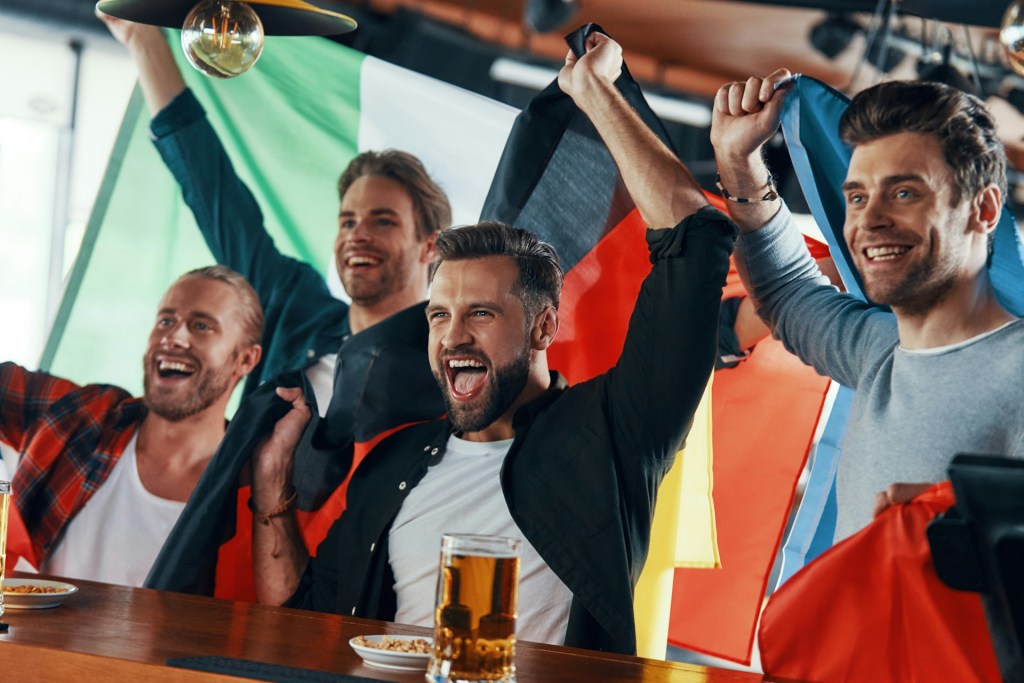
Discover how to win
NIQ’s suite of consumer research solutions delivers The Full View of engagement and sales opportunities during the World Cup and other big sporting events. They combine in-depth analysis of likely On- Premise behaviours with detailed purchasing patterns and forecasts in the Off-Premise, helping suppliers and manufacturers to predict demand and optimise promotional strategies.
To learn more, get in touch with the NIQ experts.