The drinks landscape for bars, pubs, and restaurants is evolving faster than ever. Consumer expectations are shifting toward balance, experience, and authenticity, and operators who anticipate these changes will be best placed to thrive. From moderation trends to global influences, this year promises exciting opportunities for innovation—and some critical watchouts for maintaining profitability.
In a recent discussion on the Lock In Podcast, Rachel Weller, Commercial Leader UK and Ireland highlights what Operators need to know to stay ahead.
Content
Balance and Moderation Are Driving Consumer Choices
Moderation is no longer about abstinence—it’s about balance. Guests want options that fit a healthier lifestyle, such as low- and no-alcohol serves and drinks with functional ingredients. When they do choose alcohol, they expect more than just a drink: flavour, craftsmanship, and a sense of occasion. Authenticity and global influences are trending, and sustainable menus are becoming more common. Hospitality is increasingly about experiences and connectivity, so drinks offers that meet these expectations will win.
Low and No Alcohol: Small but Growing Fast
The no/low category hasn’t peaked—it’s still growing. Over half of consumers are moderating their alcohol intake, driven by health and wellbeing. While no/low beer accounts for under 2% of total beer sales and non-alcoholic spirits just 0.4%, the momentum is clear. One in five consumers choose no/low when moderating, and nearly 70% of cocktail drinkers also enjoy non-alcoholic versions. Gen Z and millennials are leading the charge, with almost a third planning to buy more no/low in the next year. Operators are responding, 58% plan to expand their no/low beer and cider range, and a third are growing their spirits offering.
Functional Drinks: A Big Opportunity
Functional drinks currently make up just 0.1% of soft drink sales, but 58% of consumers want them more widely available. Hospitality venues are ideal for functional drinks that support relaxation, focus, or mood enhancement—perfect for guests looking to disconnect and recharge. While still niche, this trend aligns with the growing desire for health-conscious choices.
Spirits: Value Perception is Key
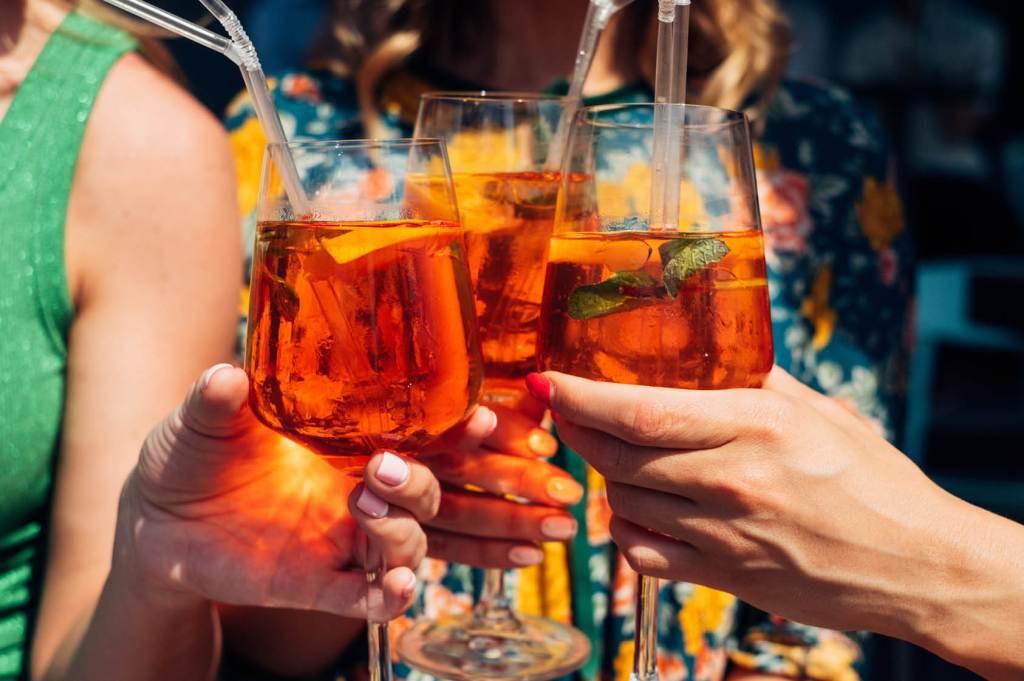
Spirits have faced challenges, with sales down 7% year-on-year, largely due to price and perceived value. Operators should review pricing strategies to avoid pushing guests toward lower-margin options. There’s still demand—gin is making a comeback globally, spritz serves are trending, and tequila remains the star performer. Mini cocktails and shot boards are emerging as fun, value-driven options. Spiced and flavoured rum is growing, but a full rum explosion hasn’t arrived yet.
Global Influces: RTDs and the K-Wave
Ready-to-drink (RTD) cocktails are booming internationally and could play a bigger role in UK hospitality, especially with staffing challenges. RTDs offer portion control, clear ABV labelling, and support mindful drinking. Korean culture is also influencing drinks menus—Soju is leading the charge, and 18% of Brits have already encountered Korean spirits.
Beer and Cider: Flavour-Led Innovation
Flavour will drive beer and cider innovation in 2026. Expect more fruit beers and radlers, appealing to consumers seeking longer serves, good value, and sweeter profiles. Stout continues to surge, attracting younger drinkers and prompting operators to expand ranges. Offering variety and tapping into these flavour trends will be key.

“2026 is shaping up to be a year of opportunity for hospitality operators who embrace change. From moderation and functional drinks to global influences and flavour-led innovation, the key is to stay agile and align your drinks offer with evolving consumer expectations. Those who deliver balance, value, and memorable experiences will not only meet demand but set the pace for the future of hospitality.”
Rachel Weller
NIQ’s UK and Ireland Commercial Leader
Get in touch
NIQ provides a best-in-class suite of research to help On-Premise stakeholders understand the latest sales trends and consumer engagement in the market, delivering in-depth analysis of channels, occasions, segments, pricing and much more.