For decades, the vacuum cleaner category was largely defined by a single consumer need: cleaning the home.
Today, that definition is no longer sufficient.
New insights from NIQ suggest Australia’s vacuum market is evolving into a more complex ecosystem of distinct consumer missions, where shoppers are not simply choosing a vacuum cleaner, but choosing a cleaning philosophy.
The category is fragmenting into three clear strategic spaces:
- Convenience-led cleaning represented by stick vacuums.
- Automation-led cleaning represented by robot vacuums.
- Performance-led cleaning represented by upright and canister vacuums.
For manufacturers and retailers, understanding these missions may be more important than understanding the category itself.
The Category Is Growing Through Upgrades, Not Adoption
The first strategic observation is that vacuum cleaners have become a mature replacement market.
Approximately 65% of purchases are replacement driven, while 28% are motivated by consumers upgrading their current solution. Only 4% are first-time purchases.
This means most shoppers already understand the category and enter the market with experience. They know what annoys them about their current product. They know what they want improved.
The opportunity is therefore not to convince consumers to buy a vacuum cleaner. It is to convince them to buy a better solution to an existing problem.
The upgrade mentality creates fertile ground for innovation and premiumisation, particularly when brands can clearly articulate how their products make cleaning easier, faster or more effective.

Mission One: Convenience Is Driving the Rise of Stick Vacuums
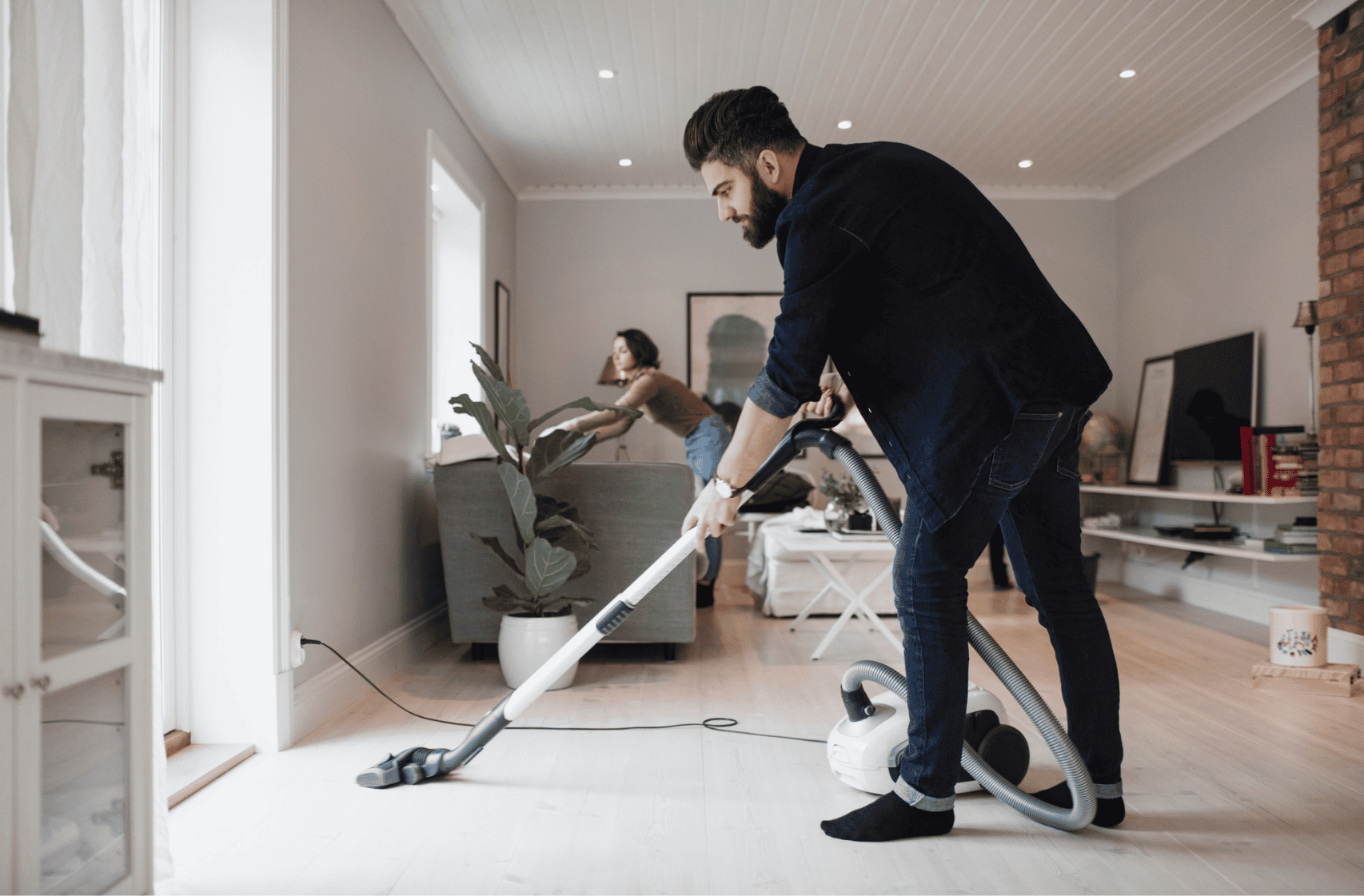
Stick vacuums have emerged as the dominant sub-category in the study, representing more than half of surveyed purchasers.
What makes these buyers distinctive is not necessarily a demand for premium technology, but a desire for frictionless cleaning.
Compared with other segments, stick vacuum shoppers place strong emphasis on:
- Price transparency
- Promotional offers
- Comparing models and features
- Trust in established brands
- Everyday convenience benefits
This consumer is looking for balance.
They want a vacuum that performs well enough while fitting seamlessly into daily life. The goal is not necessarily achieving the deepest clean. It is making cleaning less of a chore.
For marketers, this means leading with use cases rather than specifications. Messaging around quick clean-ups, lightweight design, cordless freedom and ease of storage is likely to resonate more strongly than purely technical performance claims.
The winning brands in this segment are simplifying household routines.
Mission Two: Robot Vacuums Are Creating an Automation Economy
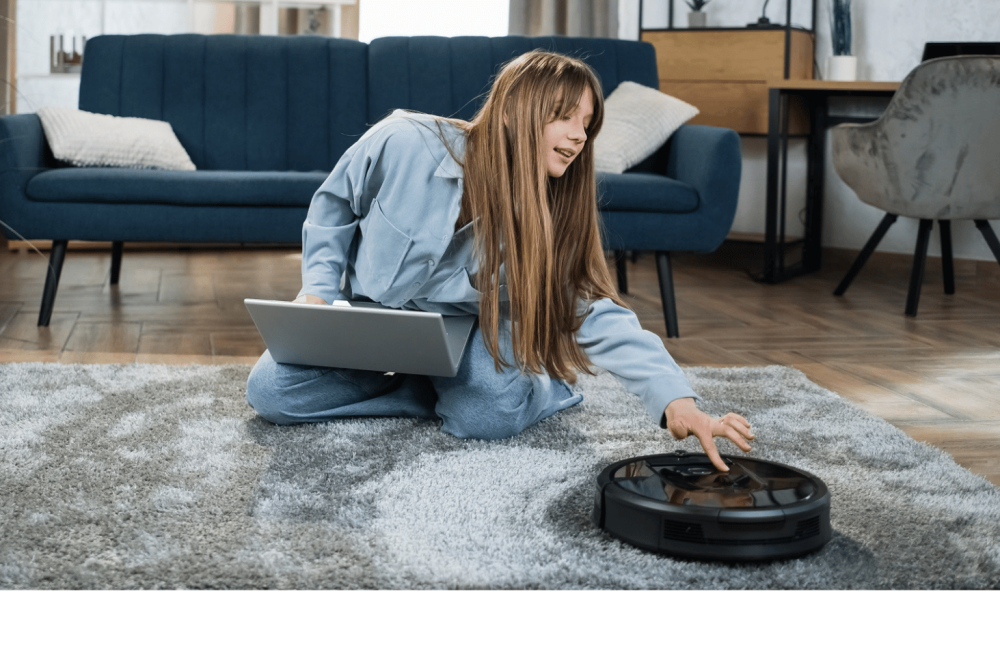
The most strategically interesting segment may be robot vacuums.
While smaller than the stick segment, robot vacuum buyers display a fundamentally different mindset. They over-index on product quality and feature-led decision-making compared with the total category.
Unlike traditional vacuum shoppers, these consumers are not merely purchasing a cleaning product. They are purchasing an outcome which is cleaning without participation. This represents a shift from product utility to lifestyle automation.
The study shows robot vacuum shoppers are more heavily influenced by:
- Product functionality
- Feature comparisons
- Reviews and recommendations
- Smart capabilities and innovation cues
Interestingly, they are less reliant on traditional brand image cues than the wider category. Instead, performance and technology become the primary trust signals.
This creates a strategic lesson that extends far beyond vacuum cleaners. Across many consumer technology categories, the premium is increasingly attached to time savings rather than product ownership itself.
Consumers are not paying for a robot vacuum. They are paying for one less task on their weekly to-do list.
Brands that position robot vacuums as part of the connected home ecosystem rather than as cleaning appliances may be better positioned for future growth.
Mission Three: Performance Still Matters
Despite excitement around cordless and autonomous solutions, traditional cleaning performance remains highly relevant.
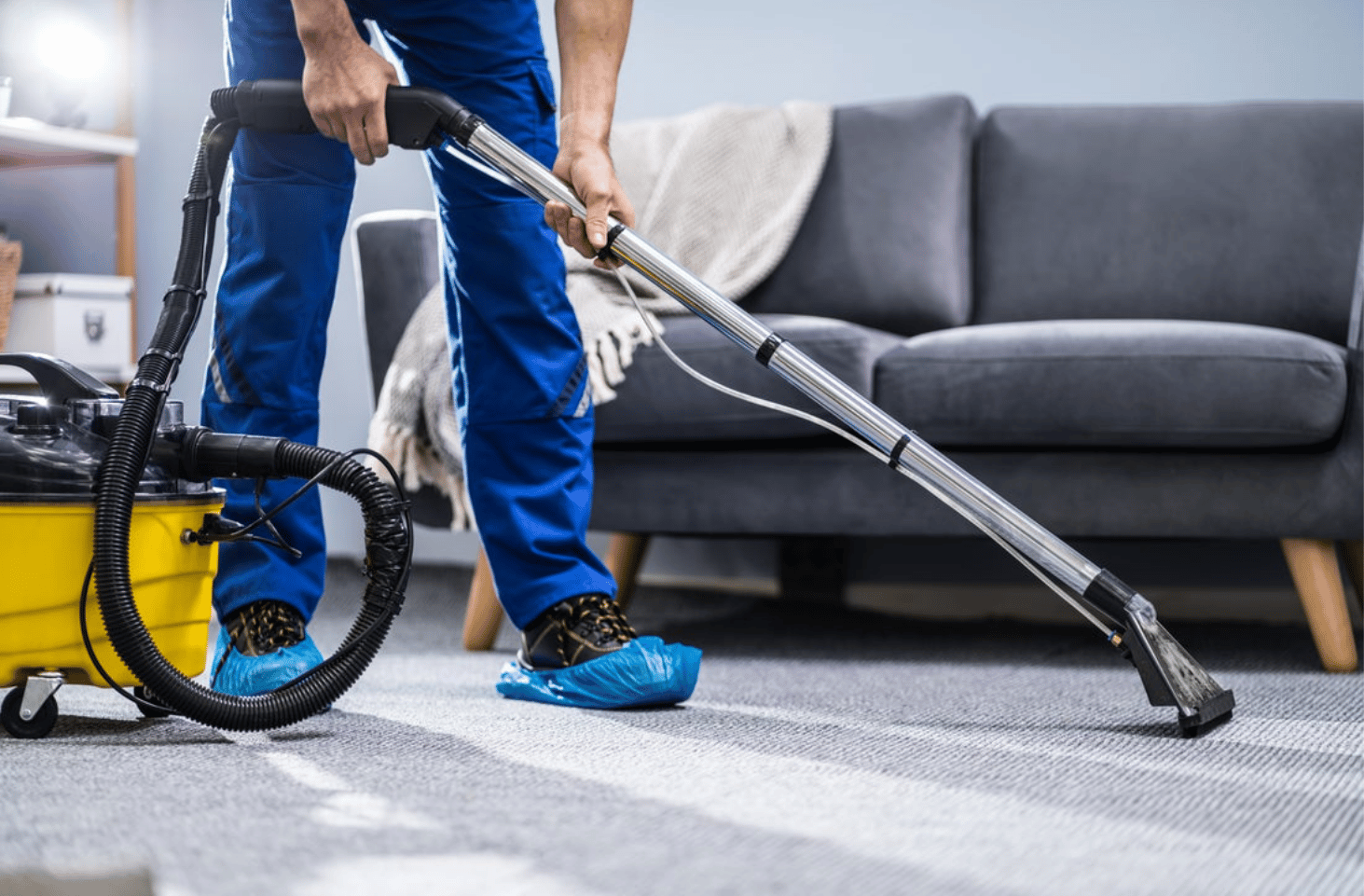
The report shows upright vacuum purchasers stand out for one critical reason that they are the most need-driven buyers in the category. Nearly three-quarters say their chosen product simply “meets my needs,” significantly above the category average. They also over-index on quality, trust and reliability.
These consumers are not chasing innovation for innovation’s sake. They are focused on outcomes.
For larger homes, pet owners and consumers with demanding cleaning requirements, cleaning performance remains the most important metric.
This segment reminds us that disruption rarely eliminates consumer needs. Instead, it creates multiple pathways to satisfy them.
The enduring relevance of upright and canister products suggests there will continue to be substantial demand for solutions built around cleaning power, durability and household-specific requirements.
Research Has Become the New Battleground
Regardless of segment, one behaviour unites vacuum shoppers. They research extensively.
The report finds 84% of consumers conduct pre-purchase research before buying, with most actively seeking information on pricing, functionality, reviews, promotions and product comparisons.
This finding has important implications. The vacuum purchase journey increasingly resembles a consumer electronics purchase journey rather than a traditional appliance purchase.
Consumers want:
- Proof
- Validation
- Expert guidance
- User reviews
- Side-by-side comparisons
In this environment, winning the search journey may be just as important as winning the shelf.
Brands that invest in educational content, comparison tools and retailer content partnerships are likely to gain an advantage before shoppers even enter a store.
The Store Is Still Where Decisions Are Finalised
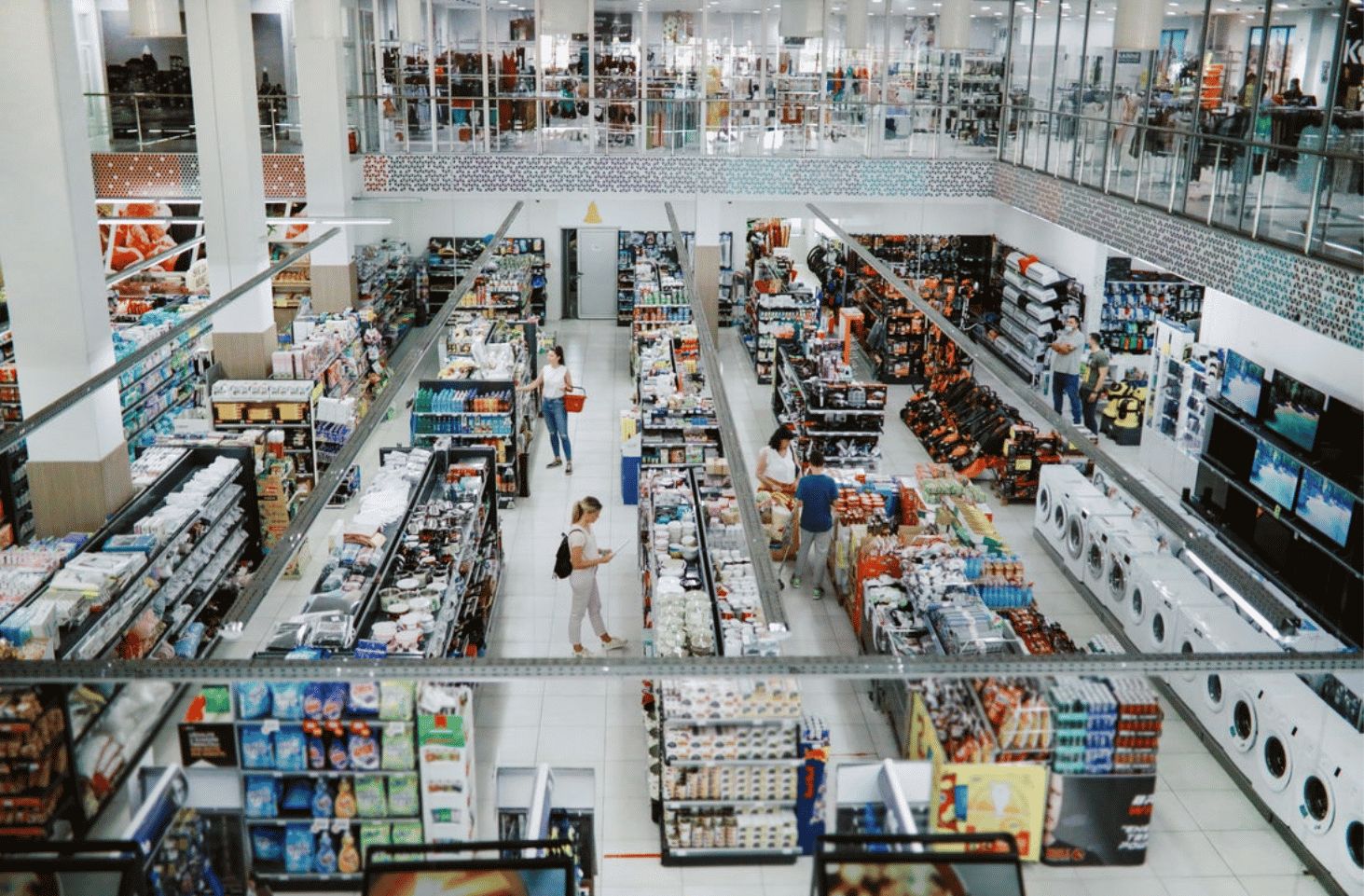
One of the most surprising findings is that despite the growth of digital research, physical retail remains dominant.
Nearly 70% of vacuum purchases still happen in-store. This highlights a critical reality for manufacturers.
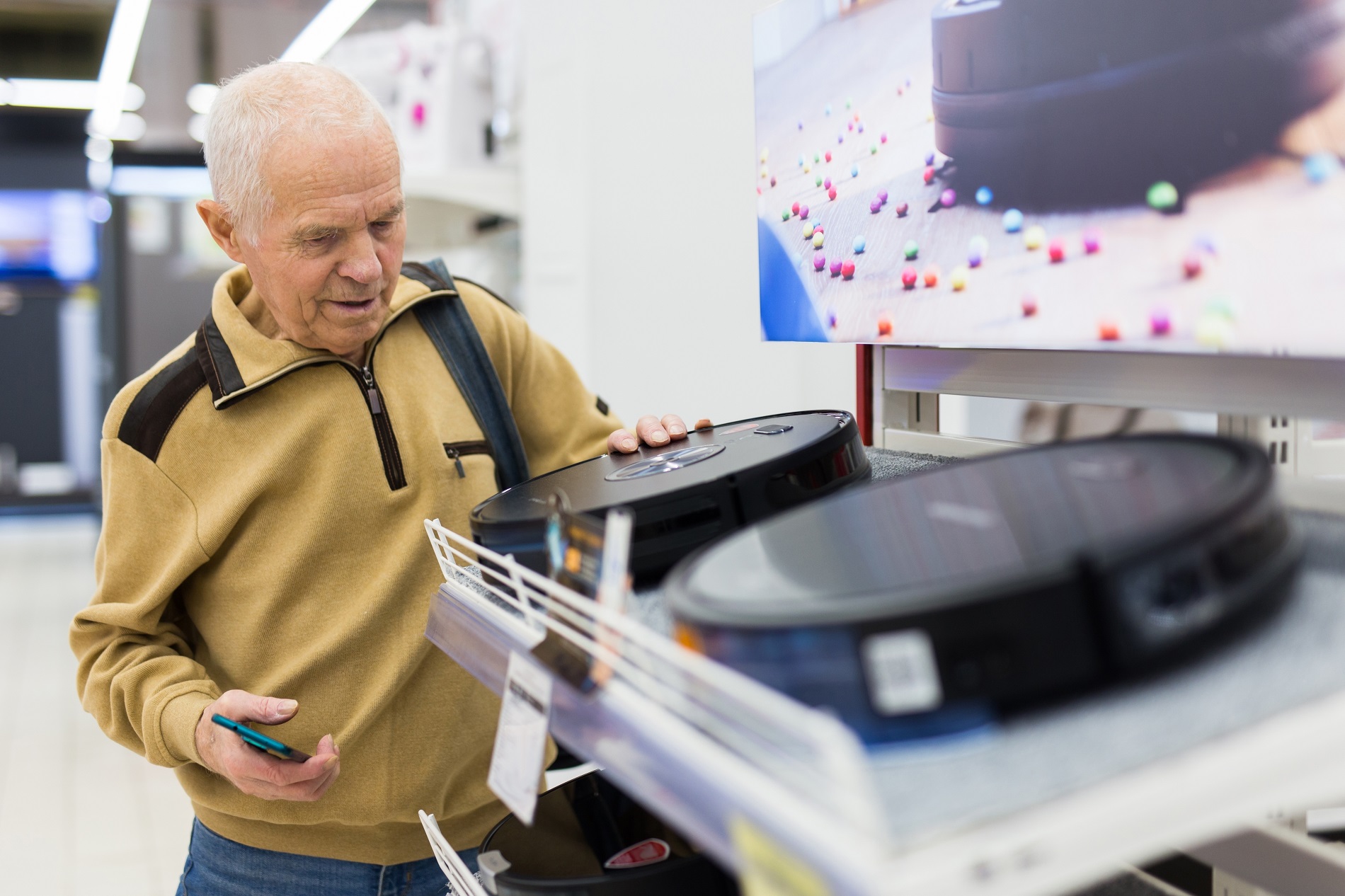
The journey is digital-first but not digital-only. Consumers may begin with Google or AI searches, retailer websites and reviews, but many still want a physical validation step before committing.
Touching the product. Assessing the weight. Comparing the build quality. Seeking reassurance from staff.
The brands that create seamless connections between online discovery and in-store conversion will be best positioned to capture demand.

The Future of the Category Is About Missions, Not Products
The traditional way of viewing the category divides the market by product type.
A more useful approach may be to divide it by consumer mission.
The Australian vacuum market is increasingly composed of:
- Consumers seeking convenience.
- Consumers seeking automation.
- Consumers seeking performance.
Each group researches differently. Each group responds to different value propositions. Each group defines premium in a different way.
The brands that continue marketing all vacuums the same way risk missing the deeper shifts occurring beneath the category.
The future winners will be those that stop asking, “What type of vacuum are we selling?”
And start asking, “What cleaning mission are we helping consumers achieve?”
Source: NIQ Purchase Insights+ vacuum cleaner Study 2025, Australia (n=304 recent purchasers).
Purchase Insights+
Get inside the mind of your consumers. Get a complete view of how consumer buying behaviour is changing and what will remain changed in the future.
Author:
Mitesh Khatri, Strategic Analytics and Insights – Strategy Lead, NIQ Pacific