No/Low Alcohol Drinks in Canada: Moving Beyond “Dry Month” Occasions
For years, non-alcoholic and low-alcohol beverages have been closely associated with seasonal behaviors like Dry January or Dry February. But new data shows that this perception no longer reflects reality. In Canada, the No/Low Alcohol (NOLO) category is evolving into a year-round growth engine, driven by shifting consumer habits, broader usage occasions, and a fundamental reframing of moderation.
The category has reached $222M in annual sales, continuing a steady upward trajectory over the past three years. Growth remains robust, with double-digit value increases in 2024 and 2025, and continued momentum into 2026. This sustained performance signals that NOLO is no longer a niche segment driven by temporary behavioral resets, and it is becoming embedded in everyday consumption.
From Seasonal Trend to Everyday Consumption
One of the clearest shifts is the move away from seasonality. While January and February still generate interest, weekly sales data shows that NOLO beverages are now performing even better during summer months, with additional peaks during the holiday season in December.
This pattern highlights a critical change: consumers are adopting NOLO beverages as part of social and lifestyle occasions throughout the year, not just during health-driven resolutions. The growth in holiday consumption further reinforces that these products are now acceptable substitutes—or complements—during traditionally alcohol-centric moments.
Search behavior supports this evolution. While “Dry January” interest has flattened in recent years, overall consumer searches for low-alcohol beverages remain consistently present, indicating ongoing and sustained curiosity beyond specific campaigns.

Sip smarter, not smaller
Discover how NOLO is shaking up the mix
Is Moderation Replacing Abstinence?
Perhaps the most important shift is not when consumers drink NOLO, but why. The category is increasingly tied to moderation rather than abstinence.
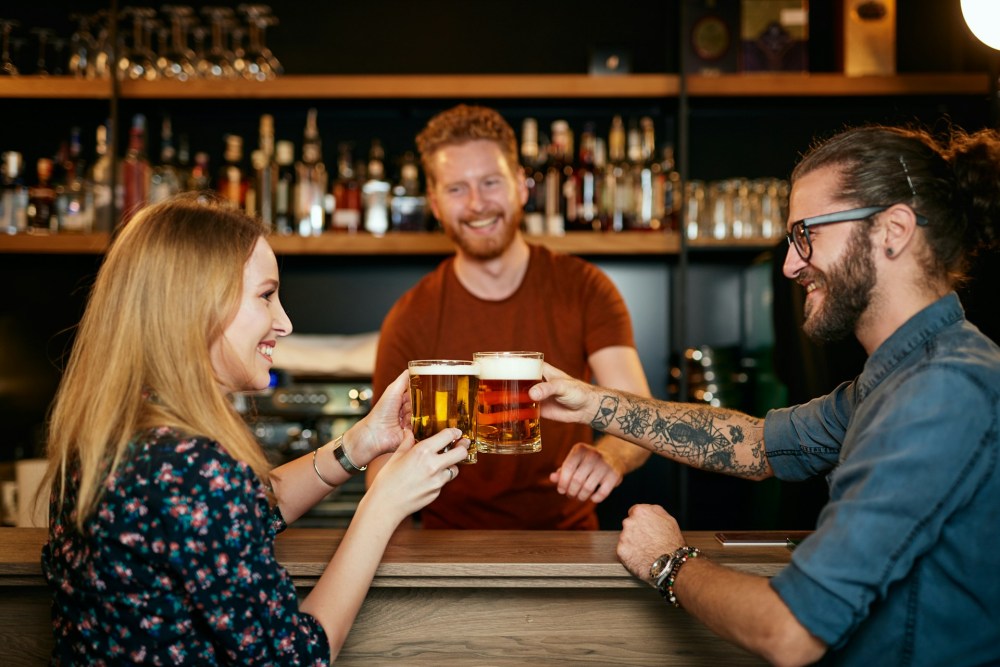
Most NOLO buyers still purchase alcoholic beverages, meaning their intent is to manage consumption rather than eliminate it. This has given rise to behaviors like “zebra striping,” where consumers alternate between alcoholic and non-alcoholic drinks within the same occasion.
This dynamic fundamentally changes the role of NOLO products. Instead of replacing alcohol, they are expanding the total beverage repertoire, creating new consumption opportunities both at home and in bars and restaurants.
For manufacturers and retailers, this distinction is critical: growth is not coming from substitution alone, but from incremental occasions and increased flexibility in drinking behavior.
A Growing and Diversifying Consumer Base
Adoption is already meaningful. Approximately 20% of Canadian households purchased NOLO beverages in the past year, with buyers engaging multiple times annually.
At the same time, significant headroom remains. In on-premise settings, only a small share of beer sales currently comes from non-alcoholic options, yet this segment is growing at a double-digit rate year over year, indicating strong future potential.
Consumer intent data reinforces this upside:
- 29% of consumers have already tried non-alcoholic options
- 28% say they would try them
- 43% remain resistant
This split suggests that while adoption is solid, there is still a large group that can be converted through improved product quality, availability, and communication.
Innovation and Format Expansion Are Fueling Growth
The category’s momentum is also being driven by strong innovation across formats, flavors, and product types.
Ready-to-Drink (RTD) cocktails are gaining share in both value and volume, outperforming several traditional alcohol segments. This reflects a broader trend toward convenience and ready-to-drink solutions that align well with moderation occasions.
At the same time, manufacturers are actively expanding their portfolios:
- Frequent new product launches
- A wide variety of pack sizes and formats
- Rapid growth in premium and experiential flavors
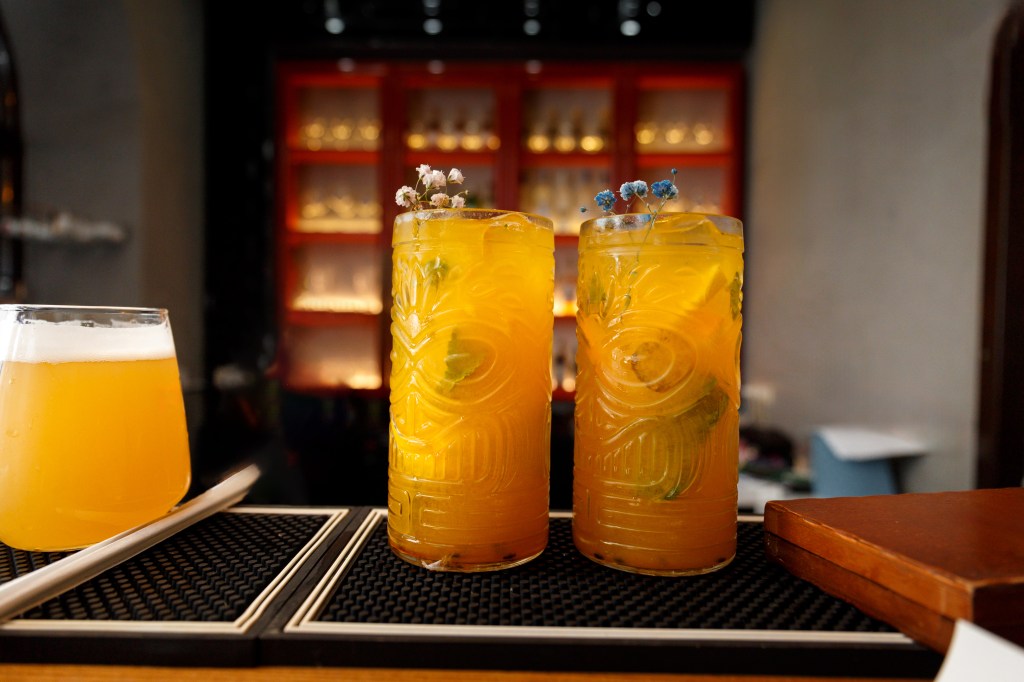
Trending flavors such as peach bellini, mojito raspberry, mango margarita, and citrus are growing at triple-digit rates year over year. These offerings mimic classic alcoholic experiences while introducing novelty, which helps drive both trial and repeat purchases.
A Structural Shift in Alcohol Consumption
The rise of NOLO is part of a broader transformation in alcohol consumption habits. Three key forces are driving this shift:
- Increased focus on physical wellness
- Cost-of-living pressures reducing discretionary alcohol spending
- Expanding availability and quality of non-alcoholic alternatives
Younger consumers are accelerating this trend. Globally, a majority of Gen Z consumers report plans to reduce alcohol consumption, with many aiming for long-term or permanent moderation.
This generational change is particularly important because it suggests that NOLO growth is not cyclical, but instead structural and long-term.
What This Means for the Industry
For industry players, the implications are clear:
- NOLO is no longer a seasonal spike. It is a year-round category with strong growth fundamentals
- Growth is driven by additional occasions, not just substitution
- Innovation (formats, flavors, RTDs) is critical to attracting and retaining consumers
- There is still significant headroom for trial, especially in on-premise environments
Ultimately, the category’s success reflects a broader cultural shift. Consumers are not stepping away from social drinking but instead, they are redefining it. And in that new landscape, No/Low Alcohol beverages are no longer an alternative. They are becoming a permanent part of the mix.