NIQ, powered by CGA intelligence, and Zonal reveal the key reasons why pubs, bars, restaurants and hotels still matter to people and their communities, and the factors driving their visits in 2026.
Content
Download the latest GO Technology report.
2025 in review
The latest report identified some significant changes in consumers’ engagement with hospitality venues that are set to roll over into 2026.
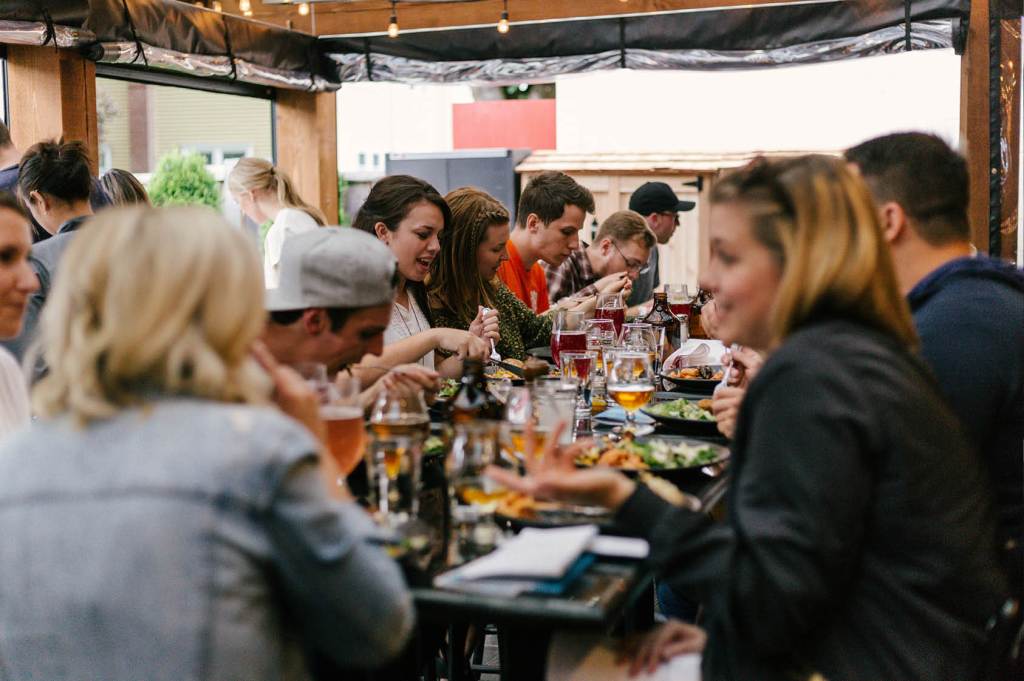
- The core of communities – More than two thirds (69%) of consumers agree that pubs, bars and restaurants play an important role in their communities.
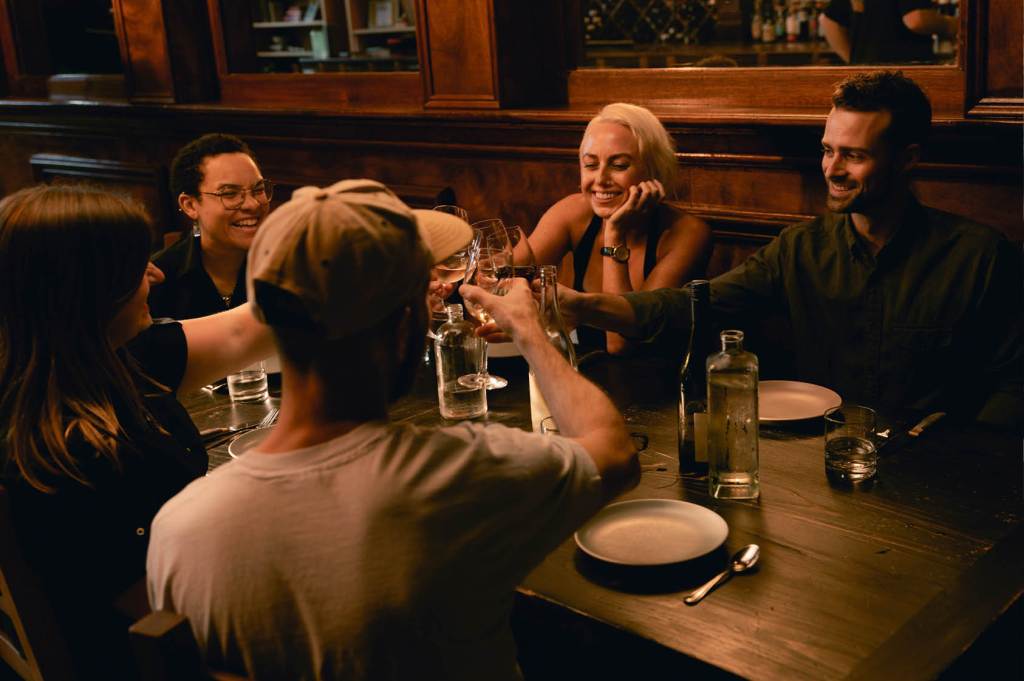
- Hubs for socialising – Hospitality venues make vital human connections and 67% of consumers agree that drinking and dining out is as important to their social life as it was a year ago.
- Convenience – Tech’s shake up of service lead to some major changes in how people behave when they visit hospitality, with 34% preferring to order from their table once they’re there, and 27% pre-booking a table ahead of their visits to pubs. Convenience was also identified as a key factor influencing earlier booking times, with 37% of respondents choosing to go out earlier for this reason.
- Elevated experiences – 74% of consumers say they would visit a venue for an elevated experience that goes beyond ‘standard’ hospitality, such as tasting menus, bottomless brunches, or in-venue games.
- Places to build careers – Pubs, bars and restaurants are important sources of work, and 72% agree that hospitality businesses are good local employers, especially to younger people.
Elevated experiences continue to be crucial
Due to the competitive environment in which we can expect spending to remain tight. Consumers claim tasting menus (31%), games (25%) and bottomless brunches (24%) came out on top as reasons why consumers would visit a venue.
Technology is also shifting behaviours in the hotel sector. Consumers remain as eager as ever to visit hotels but their engagement is changing, with 49% of hotel guests now using automation at the check-in and check-out stages and nearly as many (47%) expect to see mobile-based digital keys in the near future. Similarly, 45% say they are excited about AI and think it could improve their stays.
A robust sector
While hospitality was incredibly robust in 2025, it was a tough trading environment. Sales and site numbers were broadly flat despite the pressure of consumer spending and enforced price rises. Nevertheless, further increases in key cost areas such as labour, tax and food and drink have left many operators vulnerable. In 2025, data showed that 74% of consumers agree the industry needs greater support from the Government to reduce pressures, and relief on rates, taxes and labour costs will be needed for hospitality business to win in 2026.
Karl Chessell, NIQ Director – Hospitality Operators and Food, EMEA said: “Pubs, bars and restaurants go into 2026 on the back of another challenging year. Relentlessly high costs and weak consumer confidence have combined to make trading very difficult, and conditions are unlikely to get better anytime soon. Predicting the future is difficult, but one thing we can be sure of is that businesses will face more changes. In this volatile economic environment, it will be the businesses that adapt fastest—and make the best use of technology to give people what they want—who will flourish in 2026.”
Tim Chapman, Chief Commercial Officer, Zonal added: “The hospitality industry navigated a complex landscape in 2025, facing a number of pressures from economic uncertainty to hikes in costs. As we look ahead to 2026, momentum will be driven by businesses which can deliver memorable guest experiences and those that double down on operational efficiency to manage costs. Hospitality venues that invest in tech and offer an authentic level of service will be the ones able to thrive in such a competitive market.”
Get in touch
Connect with NIQ’s On-Premise experts today and unlock the trends shaping the GB On-Premise.