As premiumisation is redefined, how can suppliers adapt premium portfolios and continue to win?
NIQ revealed essential insights in an exclusive webinar, ‘The Future of Premium: Navigating Consumer Trade-offs with Confidence’.
The webinar explored:
- Defining “premium” today
- The premium beverage landscape — performance shifts and drivers
- Why premium isn’t dead — where it still outperforms
- Who is the premium consumer
- Planning to win — in‑outlet execution and bartender advocacy
New realities of Premiumisation
Watch the webinar, now available on-demand
Here are ten of the top takeaways from the webinar
1 Most consumers choose quality over quantity…
NIQ’s global REACH research shows how many consumers take a ‘less is more’ approach to their drinks spending. Asked about their intentions with a set amount of money, two thirds (66%) say they would buy one or two high quality or luxury drinks—2 percentage points more than in 2024—while just 9% would choose four or five cheaper ones.
2 … But premium spend has been squeezed
While consumers are eager to spend, persistently high inflation has compromised their ability to do so in recent years. In the EMEA region, more than a quarter of On-Premise visitors intended to reduce their On-Premise spend due to rising costs. Meanwhile, significant numbers switched to lower-priced alternatives in the Off-Premise, where the value of premium alcoholic beverage sales dropped fractionally in 2025.
3 Pockets of premium growth
Despite the macro challenges, some categories continue to recruit more premium consumers. For example, premium and super-premium brands increased their share of Britain’s On-Premise tequila sales by 1.3 percentage points in 2025, and there was upward movement in whiskey and brandy too. This highlights the importance of securing a category-by-category understanding of trends rather than relying on a topline view.
4 A lucrative base of buyers
NIQ confirms the value of premium consumers in the On-Premise. Three in five (58%) of them say they like to treat themselves at least weekly—12 percentage points more than the average among all consumers. REACH provides much more demographic analysis of premium drinkers, who also tend to be younger and more likely to live in city and town centres.
5 Occasions are changing
The premium market is being reshaped by occasionality in the On-Premise. Key changes include a move towards afternoon and early-evening dayparts, with 21% of premium consumers now going out earlier than they were a year ago and just 9% going out later. There have also been notable shifts away from romantic occasions and big nights out, and towards new and different experiences.
6 Social currency counts
Social media can be a big influence on premium purchases. Nearly a third of luxury consumers say they would be deterred from visiting a venue if it had little or no social media presence. These consumers are also much more likely than average to perceive value in a drink that looks good enough to post online. The ‘Instagrammability’ of serves is crucial.
7 Recommendations matter
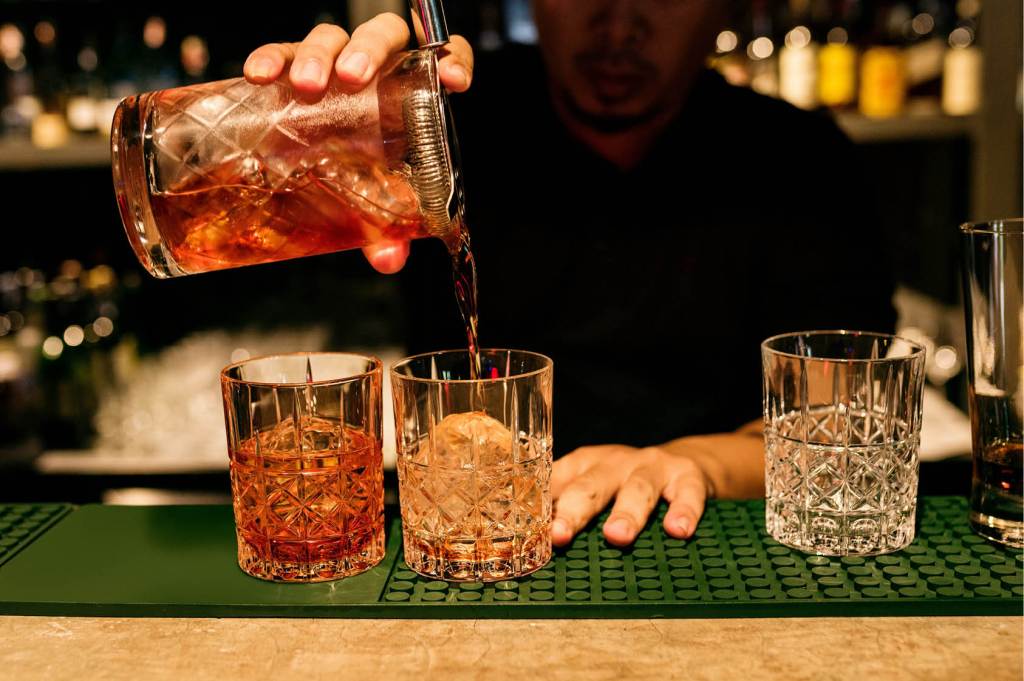
The endorsements of venues’ teams are another powerful influence on premium sales. Around a third (32%) of consumers say bar staff recommendations can affect their choice, making them the number one influence ahead of factors like friends’ choices and menus. Research for NIQ’s Global Bartender Report reinforces this point, with the average premium bartender actively influencing an estimated 10,976 drinks decisions every year. For suppliers, effective engagement with these staff can be a very powerful route to growth.
8 Premium interpretations vary around the world
When planning strategies, it’s important to remember that people’s understanding of premium and luxury varies. In France, for example, consumers over-index for the exclusivity of a product when they consider the meaning of luxury. Imported products over-index in Italy, while a unique presentation and high service standards matter more in Austria and Switzerland respectively. One-size-fits-all strategies don’t work, and brands have to adapt to place-by-place priorities.
9 People want premium cocktails
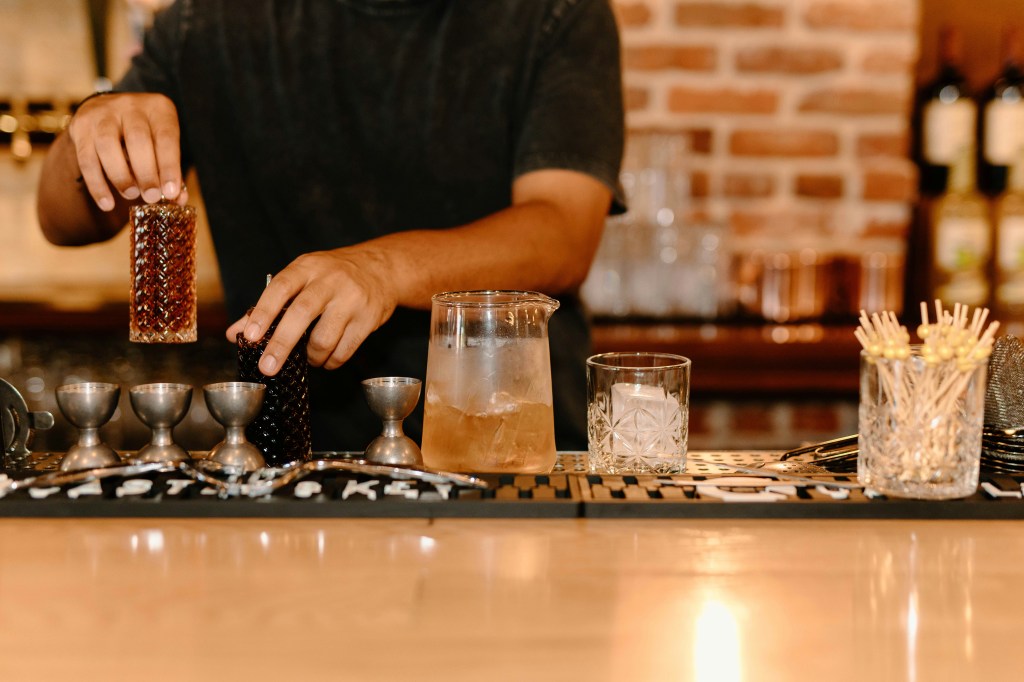
Premium opportunities are often greatest in cocktails. Two in five (41%) cocktail consumers say they mostly drink premium, high-quality cocktails, while another third (34%) will mix these and value options. Interest extends to mixers as well. Half (50%) of cocktail consumers say they are likely to pay more for a better quality mixer, and this number rises to 67% among 18 to 34 year-olds.
10 Execution is everything
While there are multiple factors behind premium purchasing decisions, in the end it comes down to execution. Spending-conscious consumers want to be sure that their drink will deliver the right balance of quality and value, and there’s no room for error on serve. By training staff in pours and presentation, suppliers have a big part to play in ensuring faultless execution of premium choices.
NIQ’s webinar was presented by George Argyropoulos, Managing Director, On-Premise – EMEA at NIQ, Graeme Loudon, Global Customer Success Lead – On-Premise at NIQ, and special guest Nidal Ramini, Advocacy Director at Brown-Forman.
NIQ’s REACH research delivers expert insights into consumers’ latest On-Premise habits in 43 countries around the world. It includes rich analysis of premiumisation trends to help suppliers and operators optimise strategies and seize opportunities in this space.
Unlock your premium opportunity
Access crucial insights into premiumisation trends across channels, categories and occasions, and how your brand can seize the growth opportunities.