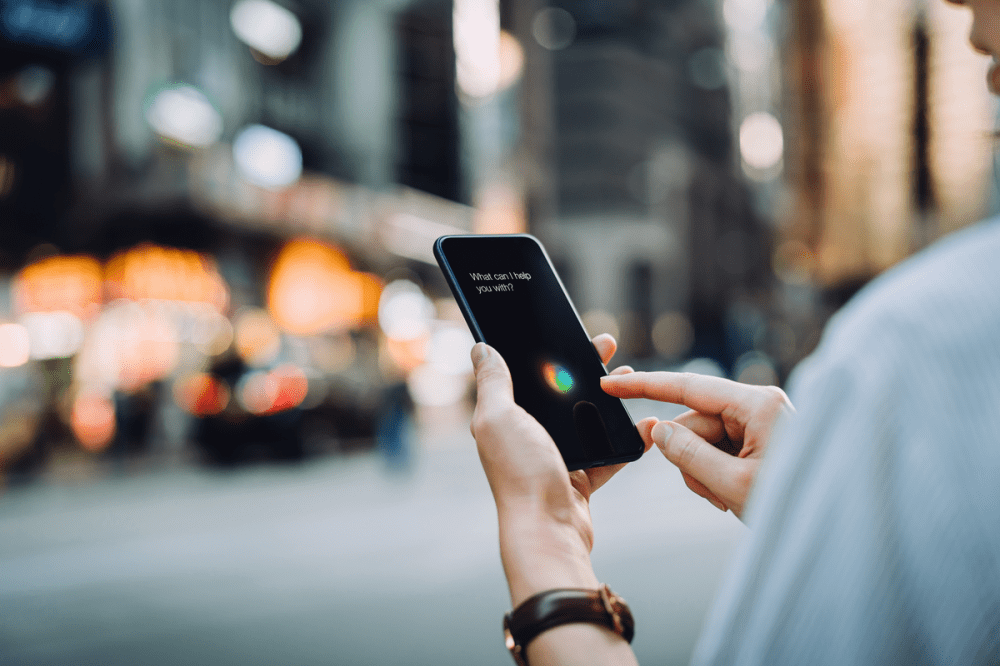
The Next Tech Reset: Inside the Shift to Intelligent Ecosystems
MWC 2026 highlights the shift to intelligent ecosystems. Key signals on agentic AI, on-device intelligence, and ecosystem-led innovation.
Driving performance through intelligent analytics
The tech industry is entering a new era defined by intelligence and integration. At Mobile World Congress 2026, it was clear from the themes on display that this shift is rapidly reshaping how technology is designed and monetized.
MWC has long served as a barometer for technology trends, and in 2026 it offered a clear message for industry leaders. Intelligence is now central to devices and platforms, and value is driven by connected ecosystems. This article highlights key signals for 2026 and onwards – agentic AI, on‑device intelligence, and ecosystem innovation – to guide leaders on technology strategy and competitive growth.

The Business Context: Why This Shift is Happening Now
The signals from MWC 2026 reflect more than rapid technological progress – they point to mounting structural pressures across the device ecosystem. Rising component and memory costs are pushing prices up or forcing specification trade‑offs, especially in entry‑ and mid‑tier devices, accelerating the shift toward differentiation through software, intelligence, and experience rather than hardware alone.
At the same time, logistics and energy volatility continue to compress margins, elevating the importance of operational resilience and data‑driven decision‑making. Most critically, longer hardware replacement cycles are redirecting growth expectations away from unit volumes and toward services, subscriptions, and cross‑device ecosystems, increasing the focus on lifetime value, ongoing engagement, and experiences that extend beyond the point of sale.
“Telco leaders are no longer competing on products alone – they’re competing on how effectively they orchestrate ecosystems. The winners will be those who connect devices, data, and partners into experiences that deliver value long after the initial sale.”
- Anastasia Bournelli, VP Global Mobile Network Operators
From AI Pilots to AI at the Core

AI as a core product attribute
Smartphones are becoming AI-centric platforms, with improved chipsets and on-device intelligence making AI a key differentiator. AI performance is now central to the product promise, not just a minor upgrade.
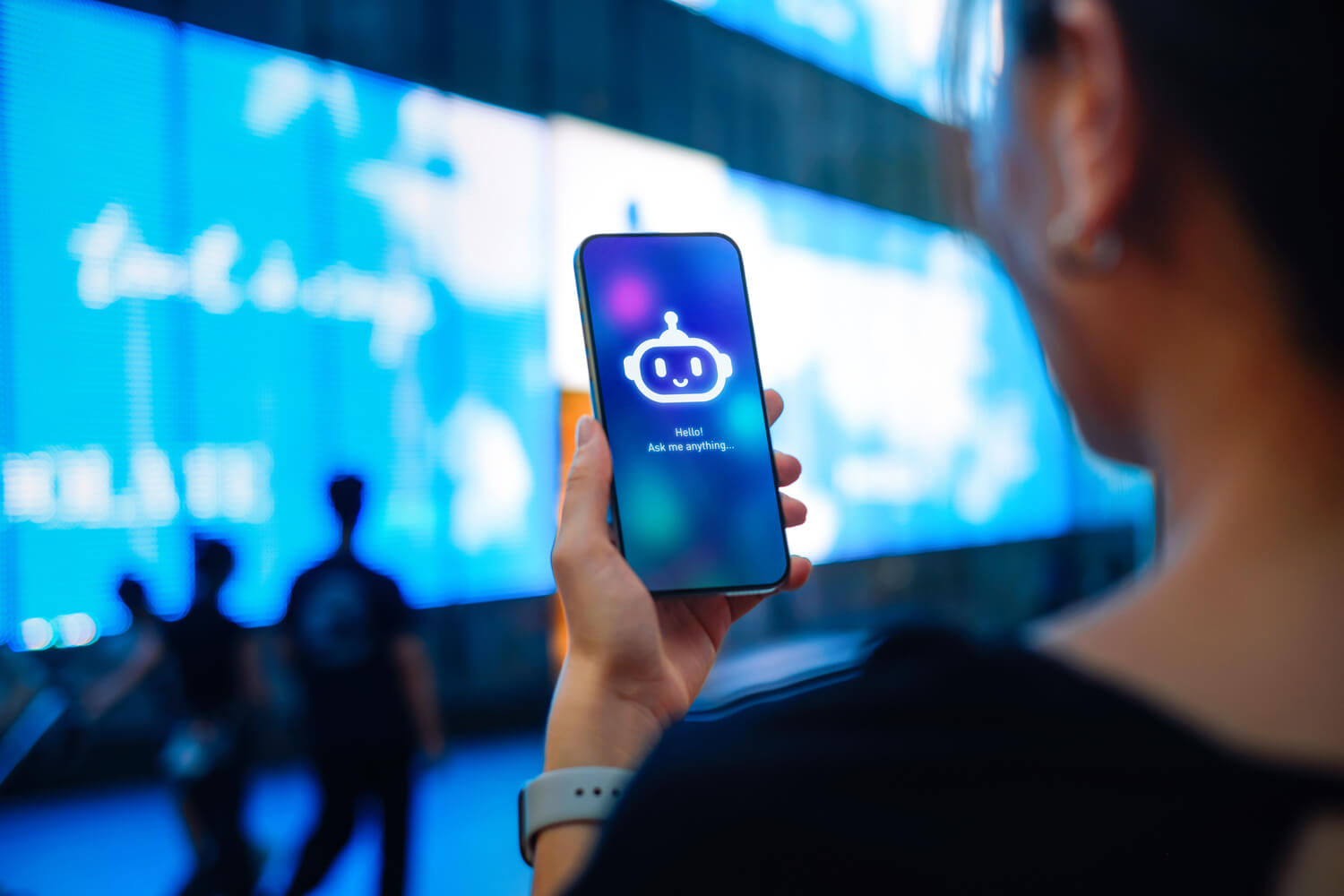
Intelligence expanding beyond the smartphone
AI-driven experiences are moving beyond smartphones into a wider connected ecosystem. New device types like robotics-inspired gadgets, smart glasses, and assistants signal a shift toward multi-device, coordinated experiences.
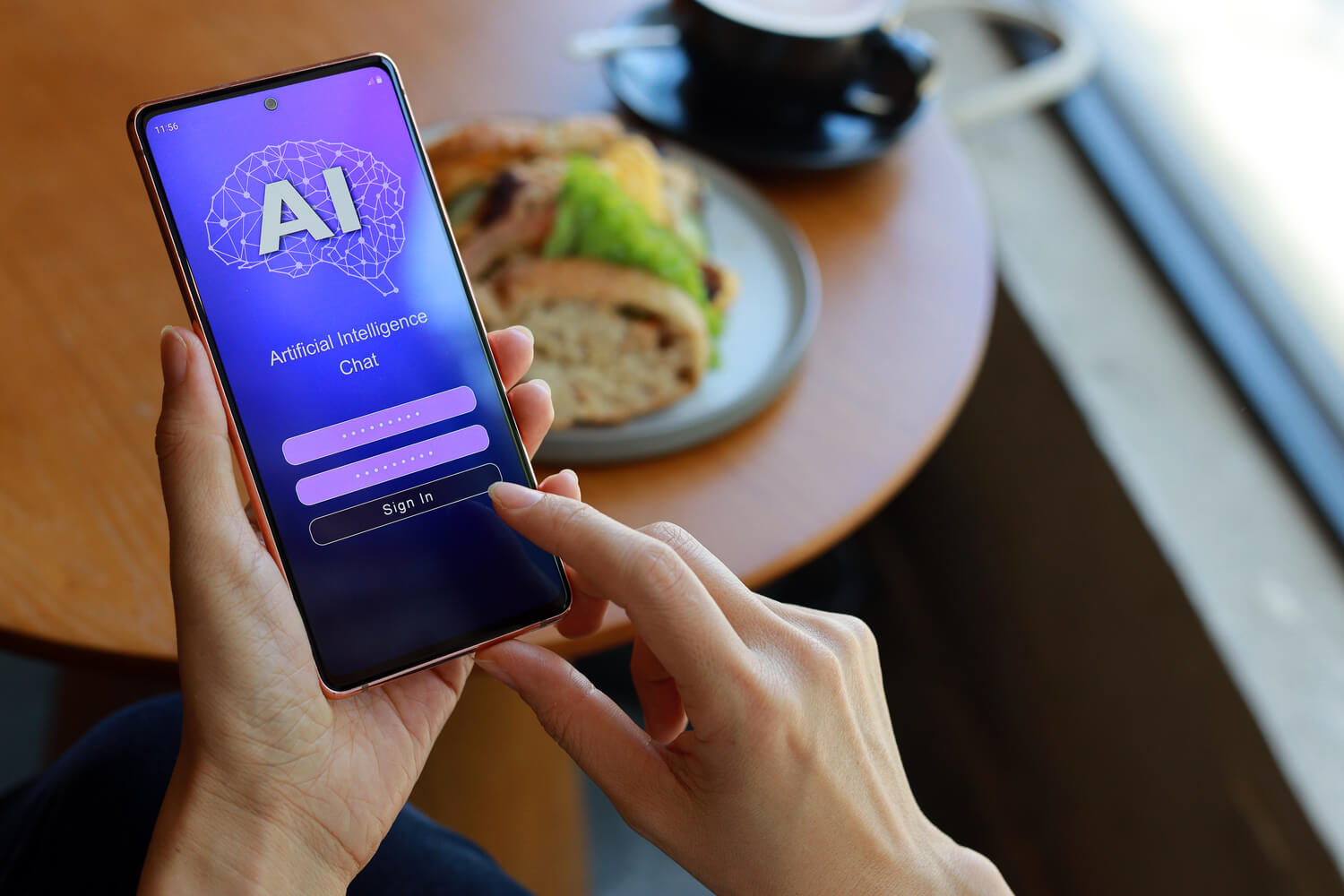
The Rise of Agentic AI
The conversation has moved beyond AI responding to prompts toward systems that can understand context, anticipate needs, and autonomously execute tasks across applications and services. These systems are positioned to manage more complex workflows, coordinate across ecosystems, and deliver experiences that feel proactive rather than reactive.
This shift is closely tied to advances in on‑device processing. As neural processing capabilities improve, more AI functions can be handled locally, enabling faster responses, greater reliability, and stronger privacy assurances. The result is a new architectural foundation for AI – one that supports real‑time, personalized experiences while reducing dependency on continuous cloud interaction.
Devices Are Becoming Adaptable Platforms
A second major signal from MWC 2026 was the renewed focus on hardware as an enabler of new experiences. Rather than emphasizing novelty, device innovation increasingly reflects a shift toward adaptability – hardware designed to change form or behavior depending on context.
Form factors are evolving beyond static designs, enabling new modes of interaction and use. This includes devices that physically adapt to their environment, as well as foldable designs that balance portability with larger screens and improved durability. Hardware innovation is increasingly purposeful, aligned to enabling flexibility, longevity, and premium experiences.


Ecosystems and Partnerships as the New Growth Engine
Innovation is increasingly driven not by individual players acting alone, but by networks of partners delivering integrated experiences across categories.
This dynamic is visible across smartphones, wearables, audio products, tablets, PCs, and emerging form factors. Accessories and secondary devices are no longer peripheral; they reinforce daily engagement, improve continuity, and deepen long‑term value by expanding how and when users interact with technology.
Data and Autonomous Networks Move into Focus
Another important signal was the growing role of data as a strategic layer, particularly within telecom networks. Data is increasingly positioned as a source of optimization, monetization, and new service creation rather than a by‑product of operations.
In parallel, networks are advancing toward autonomous, AI‑driven operations. AI is being applied to prediction, optimization, and network management, reducing manual intervention, and improving performance. As automation increases, deeper insight into performance and user experience becomes more important, not less.
The network is evolving from infrastructure into an intelligence platform — enabling efficiency gains while opening up new avenues for value creation.
What Leaders Should Prioritize Next
The most important consumer shifts and consumption trends and what they mean for growth strategies.
- Modular and sustainable design that extends device lifespan and supports repairability
- Flexible and foldable form factors with greater emphasis on durability and reliability
- On‑device AI for lower latency, stronger privacy, and reduced cloud dependency
- Advanced security and biometrics moving beyond traditional authentication models
- Real‑time translation and contextual assistance embedded directly into devices
A Signal Shaping What Comes Next
MWC 2026 was not defined by any single product or announcement. It was defined by a convergence around a new operating logic for the industry – one where intelligence is foundational; ecosystems are the competitive unit, and scale determines who can translate ambition into execution.
The leaders who succeed in this next phase will be those who can embed intelligence deeply, orchestrate ecosystems effectively, and align product and platform strategies with the realities of cost pressure, longer replacement cycles, and rising expectations for seamless experiences.
“The next wave of AI isn’t about smarter features – it’s about autonomous systems that anticipate needs, adapt continuously, and scale across devices and ecosystems. That shift fundamentally changes how value is created.”
– Nevin Francis, Senior Director Global Strategic Insights