
Smart Beauty Starts Here
What It Means for FMCG Growth
Eastern Europe’s FMCG market is entering a new phase. After a prolonged period in which inflation shaped both consumer behavior and market performance, growth is increasingly being driven by a different force: consumer choice. As pricing pressures begin to ease across much of the region, consumers are regaining flexibility in how they spend. But rather than returning to pre-inflation habits, they are becoming more deliberate about what deserves a place in their baskets and what doesn’t.
Yet the return of consumer demand does not mean a return to old habits.
If anything, the past few years have created a more thoughtful, deliberate shopper. Consumers have become accustomed to evaluating purchases more carefully, comparing alternatives, seeking value, and questioning whether products genuinely deserve a place in their baskets. As economic conditions gradually improve, many are spending more freely than before, but they are not spending blindly. The result is a new consumer reality where selectivity is becoming one of the most important drivers of FMCG growth.

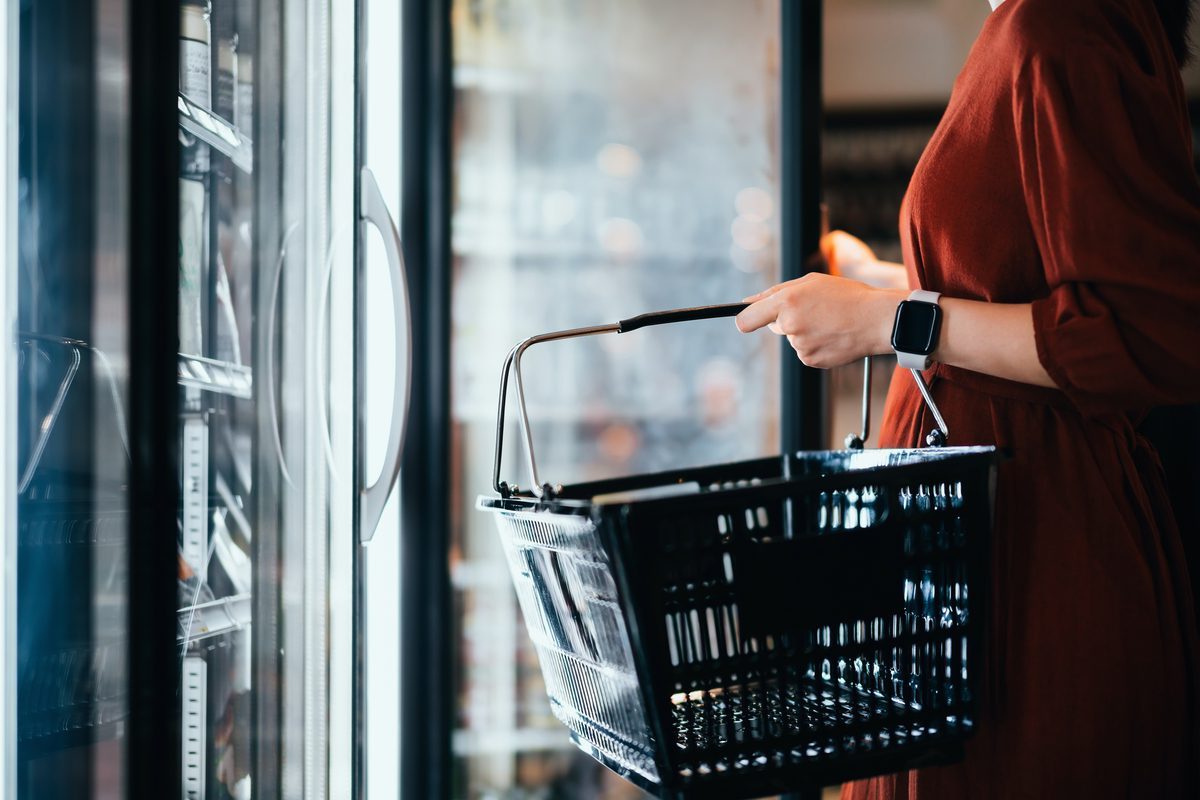
Consumers Are Returning, But Differently
Across Eastern Europe, signs of a healthier growth environment are beginning to emerge. In several markets, growth is increasingly supported by underlying consumption rather than price increases alone. Markets such as Greece and Lithuania are demonstrating stronger demand fundamentals, with consumers buying more rather than simply paying more.
This matters because it signals more than an economic recovery. It suggests consumers are regaining confidence and returning to categories and occasions that may have been deprioritized during periods of heightened inflation.
However, this recovery remains uneven.
While some households are benefiting from improving economic conditions, others continue to navigate affordability challenges. Across the region, manufacturers and retailers are operating in markets moving at very different speeds. The implication is clear: relying on regional averages is becoming increasingly risky. Understanding local market dynamics has never been more important.
Value Has Become a Habit
One of the most significant legacies of the inflation era is that consumers have learned new shopping behaviors, and many of them appear to be sticking.
Value-oriented retail formats continue to perform strongly in several markets. In Poland, discounters account for more than 45% of FMCG value sales, highlighting the continued importance of affordability and value-driven shopping habits.
Private label is also maintaining momentum across parts of the region. In Bulgaria, private label continues to significantly outperform the broader market, while in Slovakia, consumers remain focused on affordability and value-led purchasing decisions.
Importantly, these trends should not be interpreted as consumers simply trading down.
Rather, they reflect shoppers who have become more confident about evaluating alternatives. During years of inflation, many consumers experimented with different brands, retailers, and price tiers. In doing so, they discovered that value doesn’t always mean compromise. As a result, competition has intensified, and consumers are increasingly willing to switch when they do not perceive sufficient added value.
For brands, that creates both risk and opportunity. Loyalty is no longer guaranteed. Every product must continue earning its position.

The New Battleground Is Perceived Value
Perhaps the most important shift taking place across Eastern Europe is that consumers are becoming more selective in how they spend.
The question is no longer whether shoppers are willing to pay more. They often are.
The real question is whether they believe a product deserves it.
Consumers continue to invest in products that offer meaningful benefits, whether those benefits are linked to quality, convenience, performance, trust, health, or personal relevance. At the same time, they are increasingly willing to seek alternatives in categories where differentiation is less obvious.
This selectivity can be seen across multiple markets. It is visible in the continued success of private label, the growing importance of promotions, and the increasing willingness of consumers to reassess long-standing purchasing habits. It also reflects a broader global trend identified in A Tale of Two Consumers: consumers are becoming less predictable and more context-driven in their decision-making.
The same shopper may actively seek savings in one category while happily paying more in another.
This makes understanding category dynamics, shopping missions, and consumer motivations increasingly important for growth.

Why Digital Commerce Is Amplifying the Shift
Digital commerce is adding another dimension to these changing behaviors.
While e-commerce penetration in Eastern Europe still trails some more developed digital markets, online channels continue to expand across the region and remain an important growth engine. Regional e-commerce value growth reached 4.4%, while individual markets such as Czechia, Romania, and Greece continue to post strong online momentum.
What matters most is not simply the growth of the channel itself, but the behavior it encourages.
Online environments give consumers greater visibility into pricing, broader access to assortment, easier comparison between brands, and more opportunities to discover alternatives. In many ways, digital commerce reinforces the behaviors consumers developed during recent years of economic uncertainty: comparison, evaluation, and thoughtful decision-making.
As e-commerce continues to expand, products will increasingly compete on clearly communicated value rather than familiarity alone.
For manufacturers and retailers, that raises the importance of product content, positioning, promotions, pricing strategies, and digital shelf execution.
Looking Ahead: A Signal From Global Markets
Although Eastern Europe is not yet displaying the same level of consumer polarization seen in some mature markets, early signals are beginning to emerge.
Globally, NIQ research shows consumers increasingly moving between premium and value mindsets depending on category, occasion, and perceived benefit. Rather than behaving as consistently “premium” or consistently “budget-conscious” shoppers, consumers are fluidly switching between both approaches.
Eastern Europe has not reached that point to the same extent.
But many of the ingredients are already visible: stronger private label acceptance, continued value-seeking, growing digital transparency, and increasingly selective spending behaviors.
For manufacturers and retailers planning, this is an important trend to watch.
The next chapter of FMCG growth in Eastern Europe is unlikely to be defined by inflation.
It will be defined by consumer choice.
And growth will increasingly belong to the brands that understand not simply what consumers are buying, but why they believe certain products are worth paying for.


Understand What Consumers Will Pay For
Discover how NIQ’s Consumer Intelligence and Pricing & Promotion solutions help manufacturers and retailers identify growth opportunities, optimize portfolios, and better understand changing consumer behavior.