Why richer digital shopping experiences help CPG and tech brands win shoppers during major sporting moments like the World Cup in 2026.
Every major sporting event brings the same familiar rituals: snacks on the table, friends around the TV, anticipatory tension rising as kickoff nears. But before fans settle into their sofas, a different kind of preparation is taking place: they’re researching, comparing and purchasing a variety of products online.
In these moments, brands aren’t just competing on price or availability. They’re competing for shoppers’ confidence. And confidence is built through one thing: high‑quality, immersive product content that is prepared for the future; including AI and agentic shopping.
For the first time, the FIFA World Cup is moving to North America, and that shift brings new opportunities for brands across the globe, but particularly in Canada, Mexico and the United States. With 16 host cities, and 48 different national teams competing, this brings not only a chance to spotlight North American food, beverages and products on the international stage, but also brings opportunities for world flavors to proliferate in American grocery stores.
As the summer approaches, both CPG and tech brands have a unique opportunity to turn passive browsers into loyal, repeat customers. The secret lies in elevating the digital product experience.
What Fans Want from the 2026 World Cup Experience- the Living Room Stadium
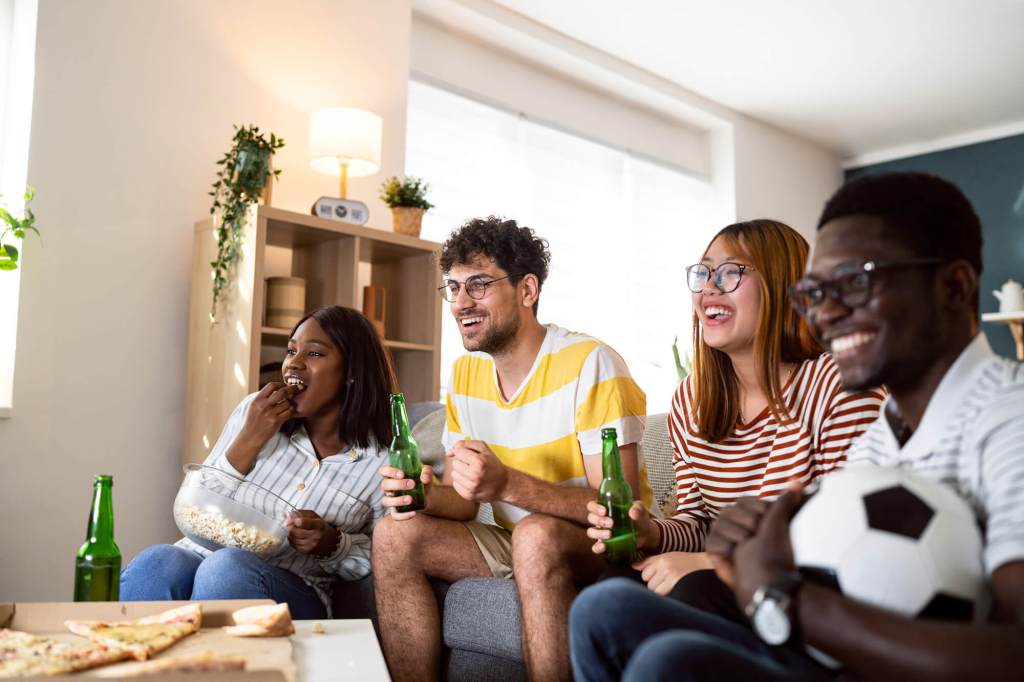
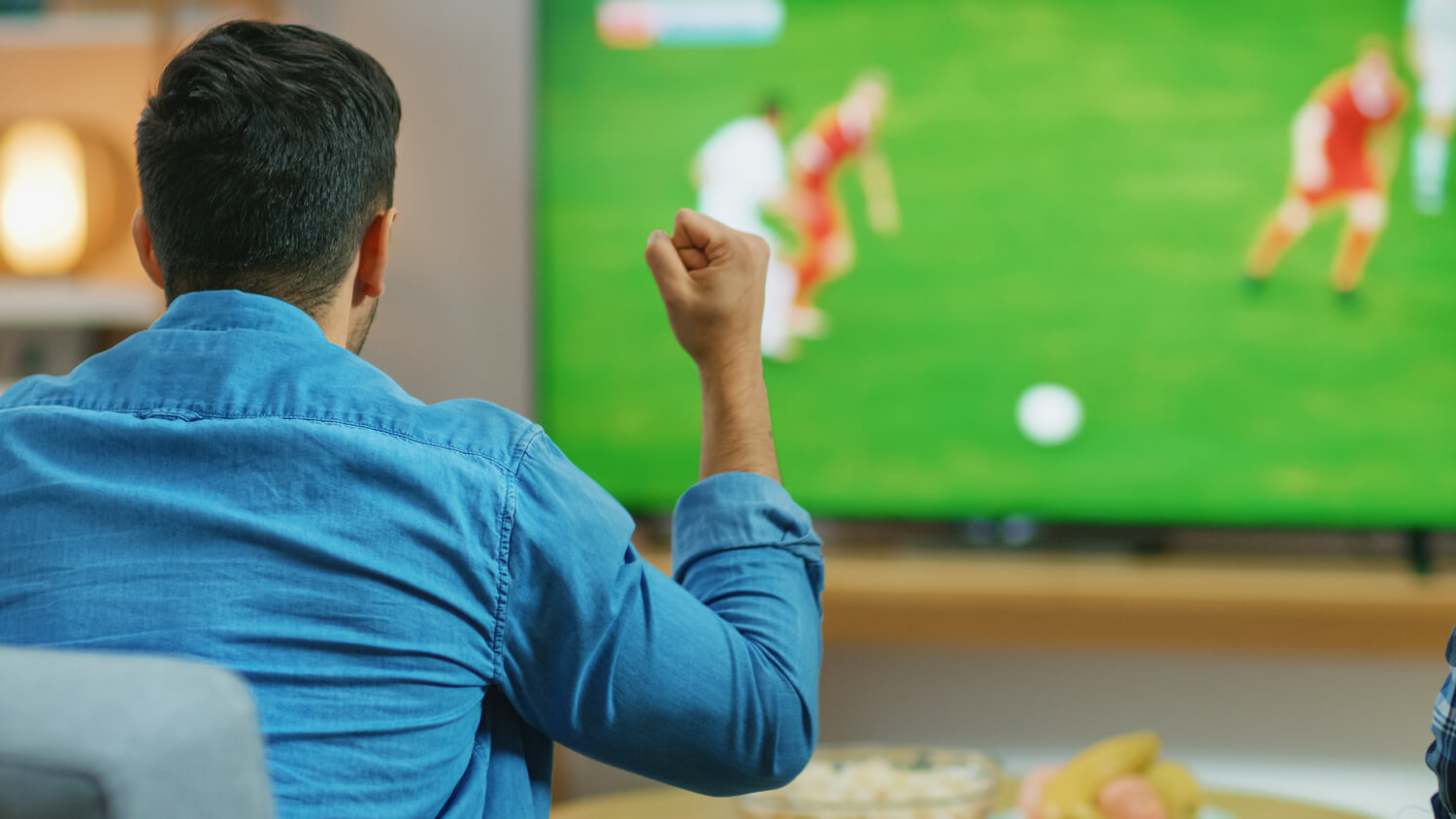
The World Cup transforms homes into mini‑stadiums. Shoppers upgrade TV setups, restock kitchens, and look for products that make viewing parties easier, tastier, and bring a sense of fun.
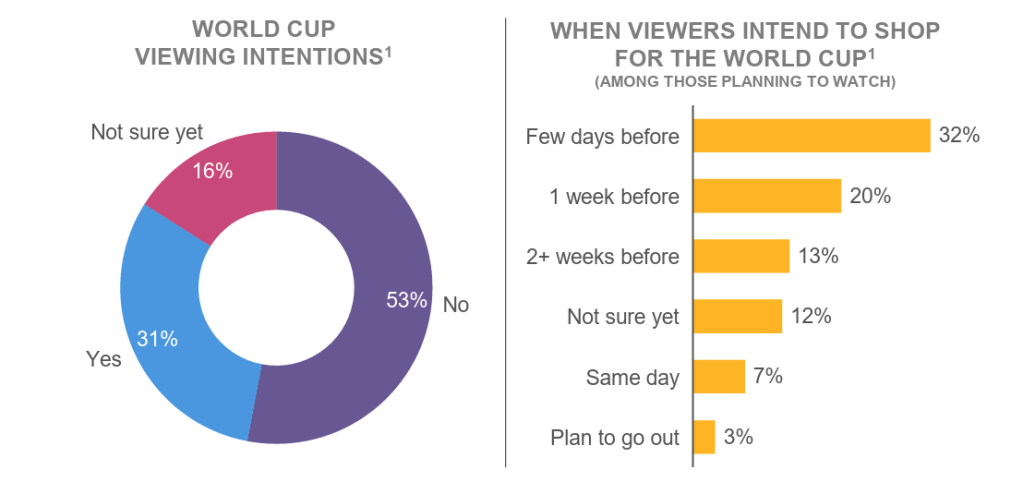
NIQ data shows us, that for nearly one‑in‑three households planning to watch the tournament this year, these moments aren’t spontaneous; they’re intentional and eagerly prepared well in advance. And for this group of shoppers, that planning starts early. 33% of shoppers say they’ll shop 1 or 2 weeks before the matches begin, perhaps organizing for parties or larger gatherings.
Another 32% of viewers complete their shopping a few days before and 7% opting to pick up their selections the day-of. That means retailers, brands and even rapid-delivery apps must adapt their product content to meet fans across a broad variety of shopping experiences, both for the planners, and the last-minute pre-game quick-trips and spontaneous mid-game deliveries.

“Major sporting events like the World Cup are powerful demand catalysts for FMCG—but growth is not automatic. What separates winning retailers and brands is their ability to remove friction and anticipate demand before it hits. With one‑third of World Cup viewers planning to shop a week or more in advance, readiness ahead of marquee matchups becomes critical. The most intense rivalries don’t just draw the biggest audiences—they drive the largest spikes in food and beverage demand.“
—–Chris Costagli, Vice President, Thought Leadership F&B Insights Lead, NielsenIQ
What are people eating?
Major sporting events typically conjure up thoughts of grazing on specific food groups, particularly snacks like chips, popcorn, dips etc, and larger premade food items like Pizza, chicken wings or burgers. However, in 2026, global priorities in health and wellness might just see a shift in the categories shoppers will be choosing for their at-home stadium experiences.
Homemade food is expected to play an even bigger role in 2026. NIQ data highlights a rising shift toward at‑home preparation, driven by economic pressure and a desire for more intentional, curated gatherings. There appears to be growth in ingredients, components, and complementary categories as hosts put their own signature on viewing‑party spreads.
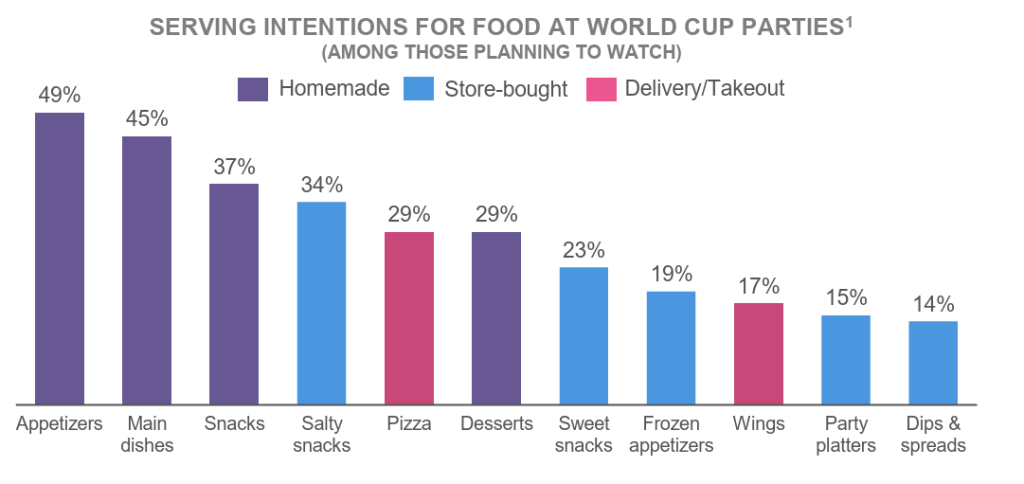
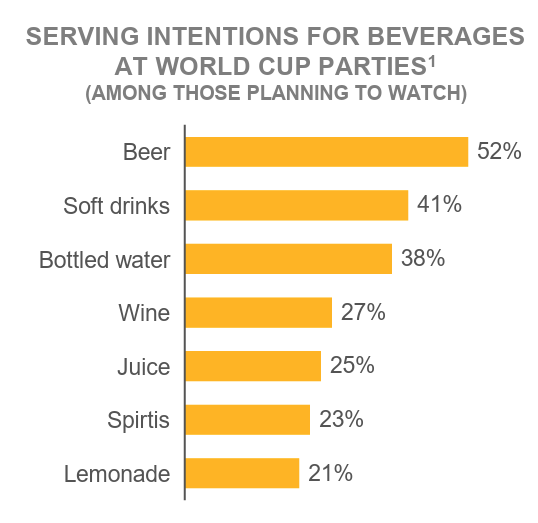
For CPG brands, that means the opportunity is no longer just found in finished, prepared goods, it’s in enabling fans to build the perfect spread for their party that meets their evolving health and wellness priorities too.
Beverage preferences are diversifying too. Alcohol remains a staple, but fans are leaning further into functional drinks, enhanced waters, and non‑alcoholic options, with Gen Z nearly twice as likely to serve alcohol‑free spirits and mocktails in 2026.
Beyond the food and drink, at-home tech upgrades are becoming part of the ritual. Bigger screens, crisper audio, and better connectivity help replicate the stadium atmosphere at home, and as fans invest more in enhancing these experiences, they rely heavily on digital product content that can give them confidence they’re choosing the right setup, from clear dimensions and compatibility details to immersive visuals and AR tools that help them “try before they buy.
Ultimately, the living‑room stadium is built long before the match begins. The experience starts online, in search results, product detail pages, comparison pages, and even AI‑assisted queries. Every image, spec, angle, and description plays a role in helping fans craft the perfect viewing moment, and now, every brand has a chance to influence how that moment feels.
Winning CPG
As the Summer approaches, major CPG brands are already activating large‑scale campaigns designed to capture pre‑match excitement, deepen loyalty, and meet fans in the moments that matter. From world flavor inspired innovation to immersive promotions and city‑specific activations, brands are building momentum for kick-offs months in advance.
Global Sponsorships Are Turning Into Shopper‑First Activations
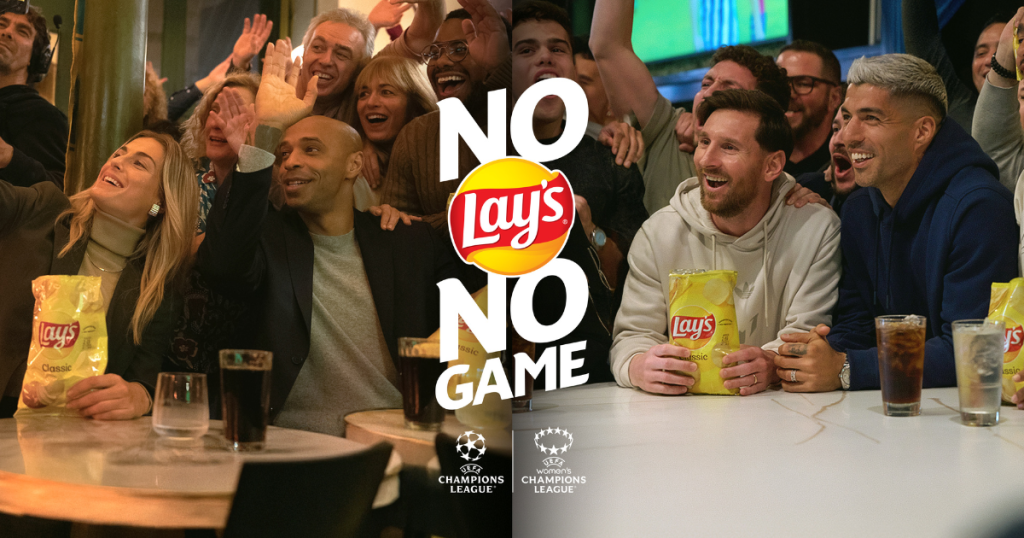
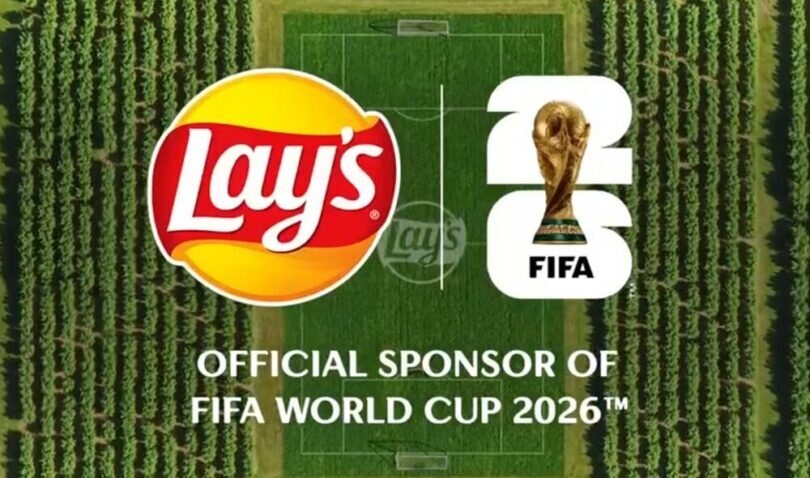
Similarly, Lay’s, now an official sponsor of the FIFA World Cup 26™, is leveraging its global footprint and flavor‑driven brand identity to create tournament‑themed packaging and culturally tailored limited editions. World Cup snacks have become part of the experience, and brands like Lay’s know that the right seasonal SKU can elevate a watch party as much as a favorite team scoring in stoppage time.
Fresh Collaborations Are Expanding Category Reach
CPG partnerships for 2026 are more diverse than ever. Unilever has teamed up with U.S. soccer legend Clint Dempsey to promote an entire suite of personal‑care products, recognizing that hosting and attending viewing parties is as much about feeling “match‑ready” as stocking the fridge. These campaigns tap into cultural identity, nostalgia, and national pride.
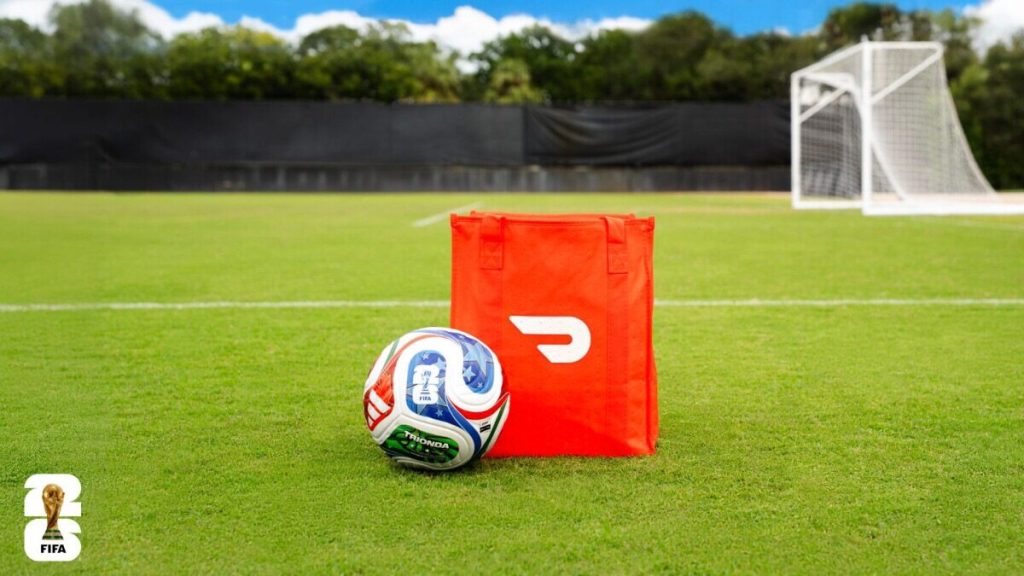
@Meanwhile, DoorDash’s support of the 2026 Men’s and 2027 Women’s World Cups positions delivery as a natural complement to at‑home viewing. With homemade food playing an increasingly important role for hosts, on‑demand delivery fills the gaps for last‑minute snacks, missed ingredients, forgotten ice, or fresh produce for a crowd‑pleasing dish.
And in beverage categories, Budweiser and Diageo continue to cement their presence as core drinking‑occasion brands, each using sponsorship status to anchor premium positioning and themed on‑shelf experiences.
Across the board, these partnerships show brands leaning into what World Cup hosts value most: ease, excitement, and relevance.
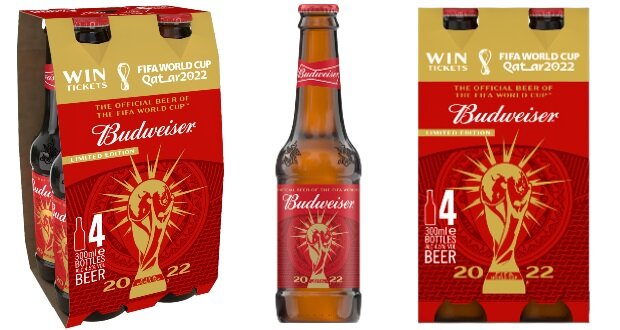
World Cup Packaging Continues to Drive asket Conversion, but it needs an omnichannel consistency to truly win.
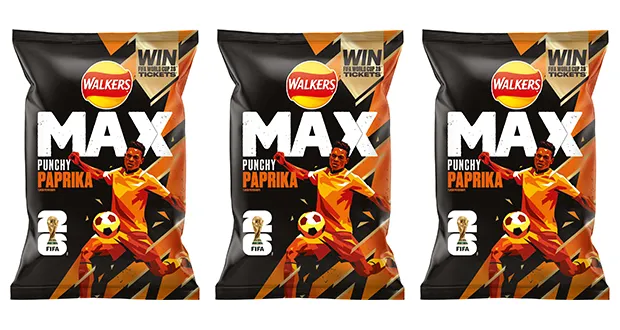
The World Cup remains one of the few moments where packaging itself becomes a collector’s item. Brands are leaning into bold, team‑centric designs, interactive elements, QR codes, and limited editions, transforming everyday goods like soda cans and beer bottles into souvenirs and collectables.
As these items become available to purchase and collect, it’s important to ensure that product content is up to date across platforms, from social media where these items are discovered, to the digital shelf and on rapid delivery platforms.
Today’s shoppers don’t follow one path. They may spot a limited‑edition Lay’s pack on TikTok, search for it through an AI assistant, tap into a retailer app to check stock, and buy it in‑store during a last‑minute run. If the packaging looks different at any point in that journey, from a mismatched color, outdated design, missing special‑edition callout, incorrect size, or inconsistent claims, trust breaks instantly.
We also know that consumers are gravitating toward ingredient‑based and homemade food options, meaning brands that offer kits, bases, or meal components can use packaging to guide hosts toward recipes, serving ideas, and smart pairings that simplify entertaining.
But if packaging is updated to include these elements, it’s essential that this inspiration also lives on the product page, not just on the physical pack. As we’ve seen, fans increasingly begin their planning online, and often weeks in advance, making the PDP a key point of discovery where recipe ideas, assembly tips, and flavor pairings can directly influence basket composition. When this information only appears on the physical pack, brands miss the moment when shoppers are researching, comparing, and building their lists digitally.
Ensuring that recipes, usage suggestions, serving sizes, and cross‑category pairing ideas are mirrored on the PDP allows AI search, retailer filters, and quick‑commerce platforms to surface products in more meaningful contexts. A product becomes not just an item, but part of a solution — an ingredient in a “taco night for the Mexico match,” a base for a “simple shared appetizer for eleven people,” or the perfect pairing for “alcohol‑free hosting.
For CPG brands looking to win both the tournament moment and long‑term loyalty, omnichannel consistency isn’t a back‑end task; it’s a strategic growth lever. It ensures that whether a shopper is stocking up two weeks before, running into a store last‑minute, or asking an AI assistant what they need for a viewing party, the brand shows up the same way every time: accurate, aligned, and confidence‑building.
Winning in Tech and Durables How the World Cup Drives Electronics Sales
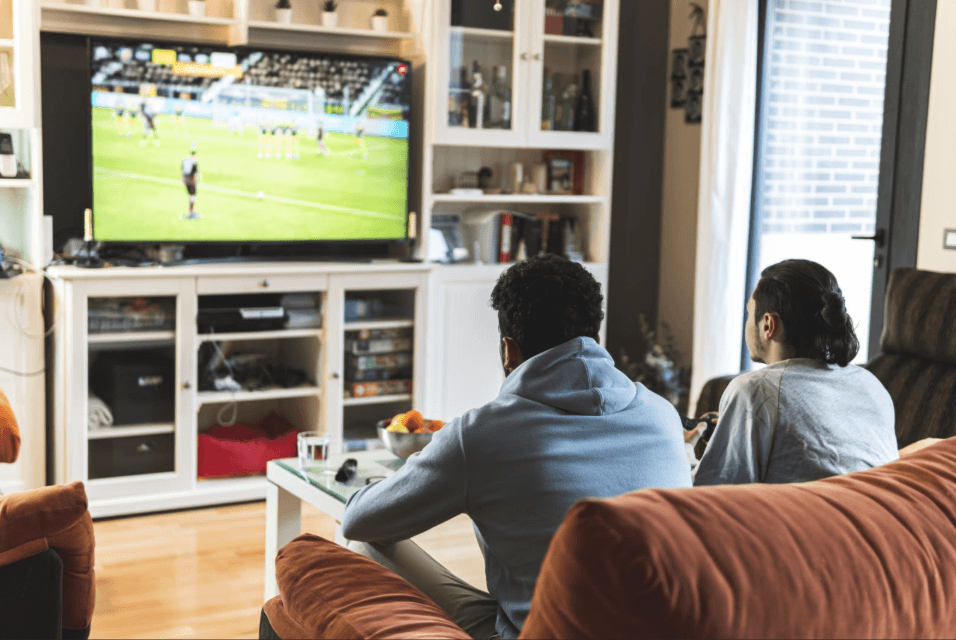
When the World Cup kicks off, fans want their home setups to rise to the occasion. Major tournaments ignite a surge in big‑screen upgrades, as households look to elevate picture quality, create more immersive viewing zones, and bring the magic into their own space. In fact, global TV shipments are projected to surpass 210 million units in 2026 (Informa), driven largely by aggressive promotional activity tied to the tournament. Brands are pushing larger screens, enhanced lighting setups, and making next‑generation viewing tech more accessible than ever.
Smart Home & Appliances
As fans prepare for their watch parties, gatherings, and elevated at‑home experiences, the broader household appliance sector is also gaining momentum. According to NielsenIQ’s Home Appliance Outlook 2026, consumers aren’t necessarily buying more T&D goods than before, but they are spending more per item where they see meaningful value. Convenience, efficiency, and smart functionality are increasingly driving that value perception. In the United States alone, this category represents over $58 billion, underscoring continued consumer investment in products that streamline hosting and entertainment routines.
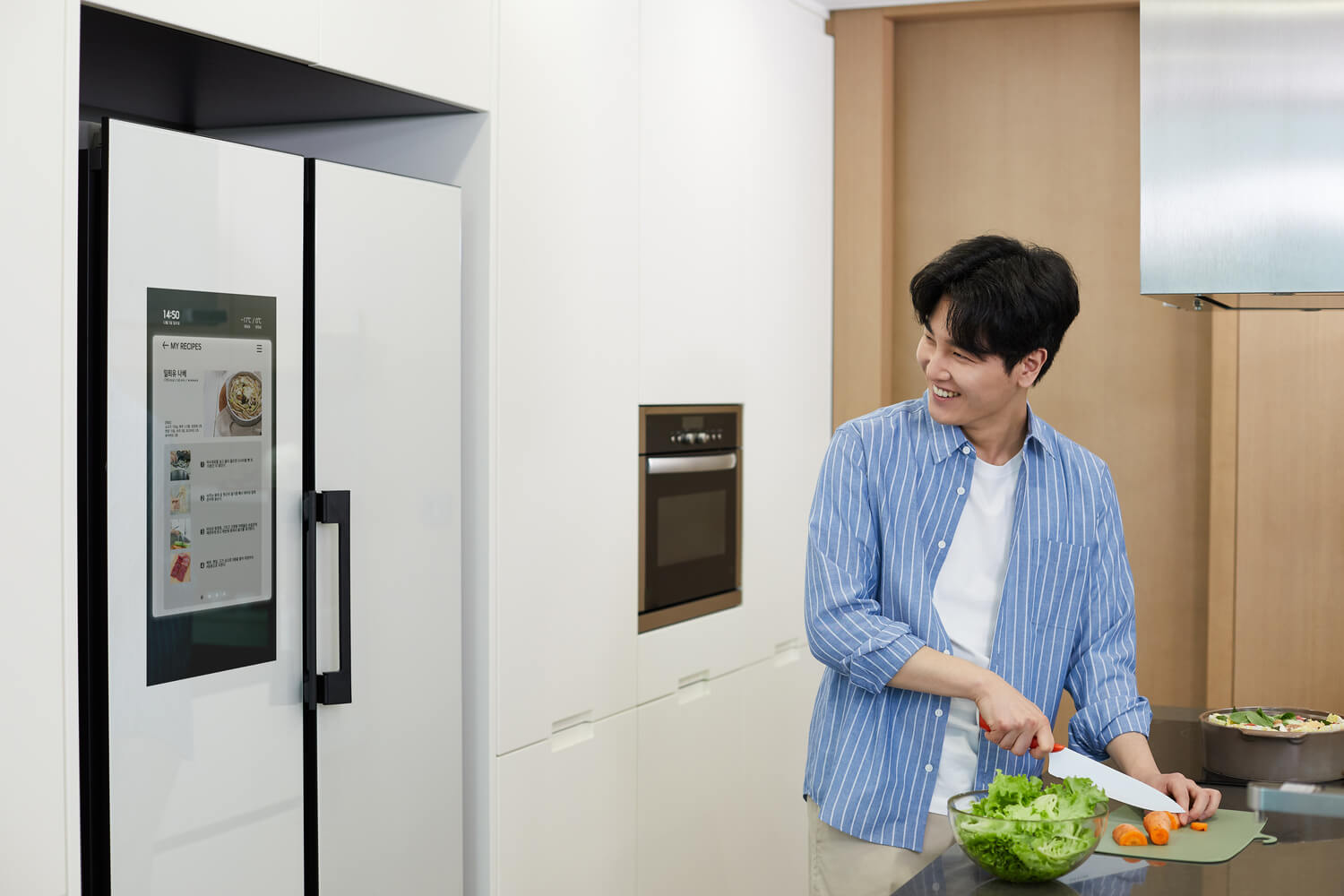
The trend toward convenience and durability is particularly relevant during major sporting events, where fans juggle food prep, clean‑up, and crowd flow without missing key moments. Smart appliances and multifunctional devices help households stay game‑ready. Smart refrigerators, automated kitchen tools, voice‑activated fixtures, and energy‑efficient devices are increasingly seen not just as conveniences but as essential components of a well‑run hosting environment. Consumers also continue to prioritize durability and efficiency when selecting new appliances — a trend perfectly aligned with the needs of fans preparing for multiple match days, frequent gatherings, and high‑traffic kitchen use.
AI’s role in appliances is still emerging. While shoppers remain cautious due to limited understanding, real‑world use cases illustrate its value: robot vacuums that navigate more accurately, washing machines that optimize energy consumption through pattern recognition, or sustainability dashboards that help reduce waste. These are exactly the benefits consumers say matter most, suggesting that demand for smart, AI‑enabled devices will climb as awareness grows (NielsenIQ Home Appliance Outlook).
Digital Fan Behavior: Technology’s Expanding Role in the Viewing Journey
Today’s World Cup fans multitask across screens, platforms, and shopping channels. Research shows that fans simultaneously stream, scroll, game, and shop, creating a dynamic engagement loop that amplifies commercial potential for tech and durable goods brands.
For the 2026 tournament, technology will elevate the experience more than ever before. In‑stadium attendees will enter a world of IoT‑powered smart venues, biometric entry, AR overlays, and personalized in‑seat services, while remote viewers will enjoy AI‑powered analytics, predictive insights, and instant highlight generation, making every moment more interactive.
Digital engagement doesn’t stop at match time. 58% expect to play soccer‑themed video games, and 56% anticipate increasing their in‑game spending — clear signs that digital consumption peaks alongside the global surge in football fever (Paysafe).
Lenovo AI-powered Tech Innovations
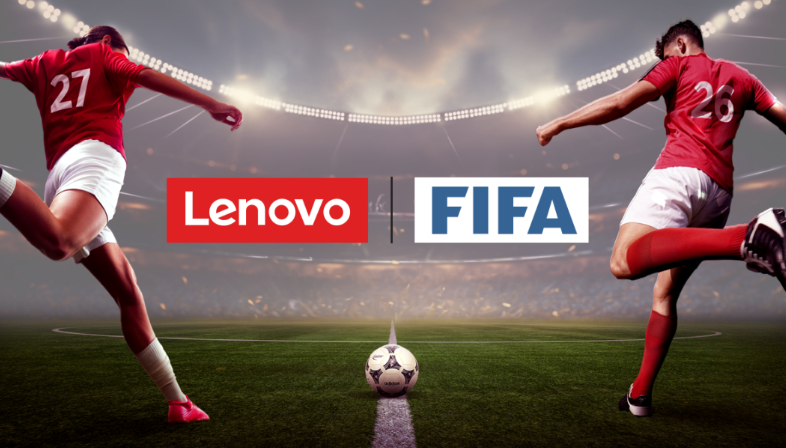
As FIFA’s official technology partner for the 2026 World Cup and 2027 Women’s World Cup, Lenovo has introduced a suite of AI‑powered innovations that symbolizes a leap in football AI technology. Football AI Pro is a generative AI knowledge assistant designed to give all 48 participating teams equal access to advanced pre‑ and post‑match analysis by processing hundreds of millions of FIFA-owned data points and delivering insights in text, video, graphs, and 3D visualizations.
The tournament will also feature AI‑enabled 3D player avatars, created through rapid digital body scans that enhance the accuracy and transparency of semi‑automated offside decisions while providing clearer, more engaging broadcast visuals for fans. Additionally, FIFA is rolling out an upgraded Referee View, using AI‑powered stabilization to deliver smoother, more watchable first-person footage from officials. Together, these innovations reflect FIFA’s push to modernize the sport, democratize analytics, and elevate the fan experience both inside the stadium and around the world.
The AI Opportunity
The 2026 World Cup will be the first major global sporting event since AI‑assisted and agentic shopping has become mainstream. Fans won’t just type queries or search generic products and categories anymore; they’ll ask natural‑language questions, searching for products that are unique and specific to their needs. At this point, product content stops being a static reference and becomes the fuel that powers every AI decision, recommendation, and comparison.
As viewers plan earlier, with one‑third beginning their shopping a week or more before the tournament starts, AI becomes their shortcut to faster, more confident choices. Fans aren’t asking, “What snacks should I buy?”, they’re asking.
Each of these queries requires more than just basic product data, it requires rich, structured, accurate content that AI can parse, trust, and transform into relevant recommendations.
- “What should I serve for a mixed group of adults, kids, and non‑drinkers?”
- “Show me healthier snack options that still feel indulgent for game day.”
- “Which 65-inch TV is best for a bright living room?”
- “Build me a shopping list for a World Cup watch party for 10 people.”
- “What global flavors should I try for Argentina vs. Mexico?”
AI Will Expect, and Reward, Complete, Structured Product Content
As search becomes a conversation, the gaps in product content become more visible. Missing ingredients lists, inconsistent specs, outdated images, or vague marketing claims won’t just frustrate shoppers; they’ll prevent AI from recommending a product at all.
In a World Cup defined by precision and intentional shopping, where consumption surges dramatically around marquee matchups, brands that anticipate these moments will win the lion’s share of demand.
For CPG brands, this means:
- Clear and complete ingredient lists
- Usage suggestions and recipe ideas
- Pack size comparisons
- Nutritional information
- Allergen visibility
- Supporting images and videos
For tech brands, it means:
- Accurate dimensions
- Compatibility details
- AR‑ready imagery
- Performance specs
- Comparison‑friendly data
- Real‑life use cases (e.g., “ideal for sports viewing,” “best for bright rooms”)
When fans make rapid decisions in the hours before a game, AI will elevate the products with the cleanest, most reliable content.
Agentic Shopping: AI That Completes the Journey for Fans
This World Cup won’t just introduce conversational search, it will accelerate agentic shopping, where AI doesn’t just recommend products but builds carts, compares prices, checks stock levels, and completes purchases automatically based on user preferences.
Imagine the new experience:
- Fan: “Plan my World Cup opener party for eight people. One vegetarian, no sugary drinks.”
- AI: Curates a selection of snacks, beverages, fresh foods, and even themed packaging — pulling from brands whose product data includes dietary attributes, pack sizes, serving suggestions, and flavour profiles.
Or:
- Fan: “Help me upgrade my home setup for the quarter-finals.”
- AI: Selects TVs, soundbars, and accessories based on room dimensions, viewing distance, brightness levels, and compatibility — only visible if the underlying product content is complete.
Where product content is incomplete, AI simply won’t choose the product.
A Future Where Content Determines the Winner
When a fan tells an AI assistant, “Find me the best snacks for tonight,” the AI will not look at brand equity, retailer promotions, or advertising investment first. It will look at:
- The richness of product attributes
- The clarity of packaging information
- The consistency across the omnichannel
- The depth of sensory descriptors
- The trustworthiness of the data
In other words, product content becomes the competitive edge.
Brands that invest in high-quality, structured, AI‑ready data will become the default choice not by shouting the loudest, but by being the most precise, complete, and easy for AI to understand.
The World Cup Is a Moment, But the Loyalty Lasts
The World Cup may be brief, but the behaviors it amplifies are long‑term. Fans plan earlier, compare more options online, and rely heavily on clear, complete product information to make confident decisions. With one‑third of viewers preparing their shopping a week or more before the event, brands that provide consistent, enriched, and AI‑ready content across every channel earn trust at critical decision points.
The impact reaches beyond the tournament itself. When shoppers can find reliable product details, helpful inspiration, and consistent packaging both online and in‑store, they are more likely to return to those brands after the final match. A seamless World Cup shopping experience becomes the foundation for lasting loyalty, positioning brands not only to win during the event but to remain top of mind for future occasions throughout the year.
Get started with smarter product content today:
Learn more about how NIQ Brandbank is the perfect partner for helping you create, manage and syndicate your digital product content. With over 1,250 FMCG attributes and 50,000 Tech attributes available, our expert teams help power your product content, optimizing it for the future of ecommerce across the digital shelf.