Vietnam Tet holiday 2027: The hidden shift behind Vietnam’s biggest selling season
Vietnam enters Lunar New Year or Tet holiday 2027 with stronger macroeconomic momentum than it has seen in years. GDP grew 8.2% in H1 2026, employment increased by 672,000 jobs, retail sales and services rose 13.3%, and international arrivals climbed 14.4%. Yet FMCG tells a more nuanced story: category value grew 4.0%, while volume increased only 0.1%. The challenge for FMCG leaders is no longer whether consumers will spend during Tet. The real question is where they will choose to spend, and what must happen for brands to earn a place in an increasingly selective basket.

Consumers still celebrate Tet, but their mindset has shifted from excitement to pragmatism
62% of consumers say they are more excited about Tet 2027, down from 74% a year ago. At the same time, 45% identify food and grocery costs as a major financial burden, while 57% remain concerned about fuel prices. What changed is not consumers’ love for Tet. Instead, households are becoming more practical in how they prepare for it.
Tet remains anchored around three enduring values: Reunion (66%), Reflect (46%), and Recharge (43%). But beneath these shared values, urban and rural consumers are diverging. Urban consumers increasingly seek convenience, experiences, and personal time. Rural households continue prioritizing family obligations, rituals, and hosting, while simultaneously worrying about rising costs.
This shift creates an important implication for FMCG brands. Traditional emotional Tet messaging still matters, but it is no longer sufficient. Consumers are no longer asking, “Can I celebrate Tet?” They are asking, “Is this worth the money?” Brands that can help households achieve a meaningful Tet while reducing effort, stress, or waste will be better positioned to win. The opportunity is not to amplify celebration, but to make celebration feel smarter, easier, and more valuable.
Tet remains FMCG’s biggest growth engine, but growth is being redefined.
Nearly 27% of annual FMCG sales still occur during the Tet season, and Tet 2026 delivered 13% higher sales versus pre-Tet periods. Yet FMCG volume growth sits at only 0.1%, while pricing contributed 3.9 percentage points of the category’s 4.0% growth.
The implication is clear: FMCG growth is increasingly price-led rather than consumption-led. Brands can no longer depend on broad-based demand expansion to drive performance. Consumers are still spending, but they are becoming more selective about which categories, packs, and occasions deserve a larger share of wallet.
The winning categories continue to be those most closely tied to Tet occasions. Beer, beverages, confectionery, snacks, and traditional food categories remain at the center of celebrations. However, there are also emerging shifts in purchase behavior. Bulk packs and festive packaging continue to perform strongly, but smaller formats and health-oriented variants are gaining traction.
For brand leaders, the lesson is important: future Tet growth will not come from simply selling more. It will come from offering consumers more reasons to buy, whether through convenience, health benefits, packaging innovation, or occasion-specific solutions.
Convenience is becoming the new premium for Urban consumers
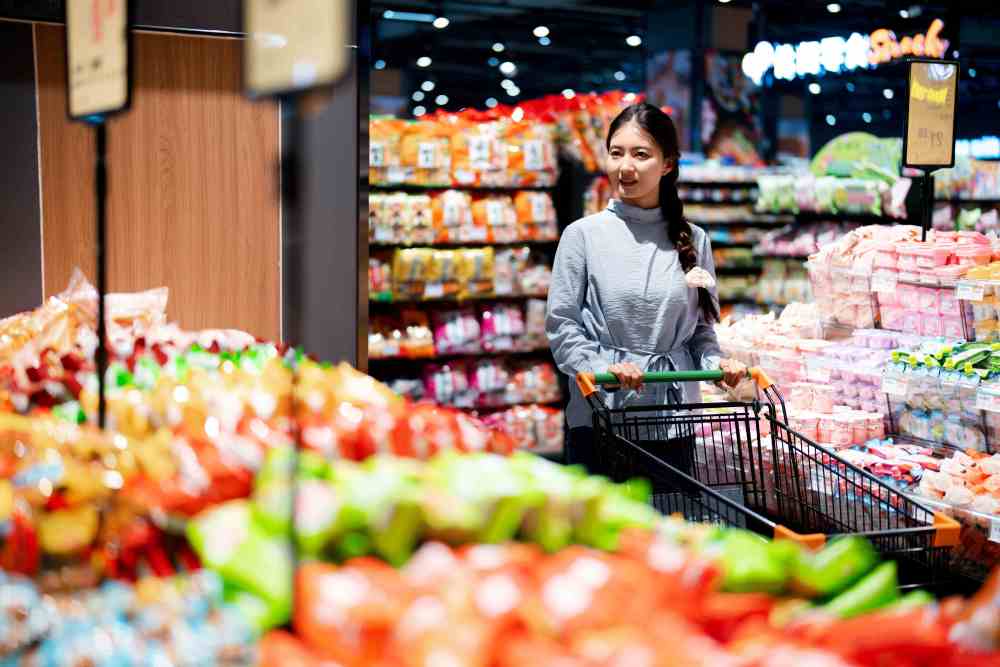
Food and drinks for gatherings account for 32% of planned Tet budgets, while gifting represents another 19%. Meanwhile, 36% of consumers plan to purchase ready-made or pre-prepared foods, and 19% plan to order food or catering services.
For decades, Tet preparation was synonymous with effort. Hours spent cooking, preparing offerings, and hosting guests were considered part of the experience. That expectation is changing. Modern consumers increasingly believe care is expressed through thoughtfulness rather than labor.
As a result, convenience is evolving from a functional benefit to an emotional one. Urban households, in particular, are willing to trade time-consuming preparation for products and services that help them focus on family, relaxation, and personal experiences.
This creates significant whitespace for FMCG manufacturers. For many households, the most valuable product this Tet may not be the cheapest or most premium option, but the one that gives them time back.
Winning Tet requires two different growth playbooks
Urban shoppers increasingly rely on digital and modern trade touchpoints: 94% use online and media channels for Tet information and 75% plan to purchase through e-commerce. In contrast, 92% of rural shoppers buy through grocery stores, 85% through traditional markets, and 80% continue to rely heavily on word-of-mouth recommendations.
Brands that execute one national campaign with one media strategy risk underperforming in both segments. Instead, winning Tet 2027 requires two connected but distinct playbooks: a digital-first, convenience-led approach for urban consumers and a value-focused, trade-driven approach for rural households.
The same principle applies to product strategy. Health-oriented gifts, personalized gifting, and premium experiences resonate more strongly in urban markets. Affordable hosting solutions, ritual occasions, and family-oriented packs remain critical in rural areas. Understanding these differences will separate brands that merely participate in Tet from those that capture disproportionate growth.

The bigger question for Tet 2027
The biggest insight from Tet 2027 is not that consumers are spending less. It is that they are becoming more intentional.
Consumers still value reunion. They still host, gift, celebrate, and gather. But they increasingly expect brands to help them do those things with greater value, greater convenience, and greater relevance to their lives.
Explore the critical answers behind a winning Tet 2027 strategy.