
Consumer Tech Trends 2027: How to win when every purchase must be justified
What are the routes to growth in 2027 and beyond?

Key takeaways
- Consumers’ technology purchase behavior and upgrade cycle are changing. The next phase of tech growth will not be determined simply by what consumers can afford, but by which purchases they can justify. Will the purchase still feel “worth it” six months on?
- Increasing weight is being given to products that offer longer-lived value through features such as durability and trusted performance at a justified price. AI-driven search and challenger brands are erasing old advantages: If your product value is not relevant, obvious, and comparable to buyers and algorithms alike, your brand risks invisibility.
- This report surfaces the latest consumer and industry shifts and turns them into strategic action. It maps six growth routes across markets, pricing, innovation, ownership models, and AI-driven commerce.

A welcome from Perry James
Perry James, Global Head of Tech & Durables, NIQ
The modern Consumer Tech & Durable Goods (T&D) consumer has entered a new phase of behavior—an era of “justified consumption” embodied by a “justify it” mindset. Many of today’s tech purchase trends, from AI-enabled devices to connected ecosystems, are being reshaped by how consumers evaluate purchases.
This shift appears to be a consequence of consumers living through several years of an economic environment characterized by volatility, uncertainty, complexity, and ambiguity (VUCA). Across global markets, their mindset has adjusted from “Can I afford this?” to “Will I feel this purchase was worth it six months from now?”, with consideration given not just to money but to relevance, longevity, and quality. This shift is visible across geographies, income levels, and product categories. Demand hasn’t disappeared, but expectations are evolving, with spending directed toward products where value is clear and additive to their lifestyle.
The implication for manufacturers and retailers is a critical one: Growth is no longer driven by the breadth of innovation or scale of distribution alone. It’s driven by justification. Tolerance for redundant features, unclear benefits, or post-purchase regret is rapidly declining. In its place, consumers are building cohesive ecosystems of tech products that deliver meaningful utility, efficiency, and enhancement to their daily living.
For T&D leaders, this creates a new growth equation: fewer consumers making automatic upgrades, more scrutiny at the point of choice, higher expectations of durability and utility, and greater risk that consumers delay their purchase, trade down, or switch to a challenger brand. In this environment, unclear value is more than a messaging challenge; it presents a revenue risk too.
This report, part of NIQ’s ongoing “State of Tech & Durables” series, helps identify potential areas of focus for your product strategies, innovation pipelines, and go-to-market investments for maximum growth in 2027 and beyond—drawing on NIQ’s global sales data and analysis of evolving consumer needs and aspirations.
I trust these insights will give you a deeper understanding of your future buyers and the tech purchasing trends that lie ahead.
Global Head of Tech & Durables, NIQ
About this report
- Consumer Tech Trends 2027 is the latest entry in NIQ’s “State of Tech & Durables” series and launched at IFA 2026, where NIQ is the Global Insights Partner. The insights in this report are rooted in a March 2026 online survey of 17,000 adult consumers (age 18 and up) in 17 global markets: Brazil, Canada, China, Czechia, France, Germany, India, Italy, Japan, Mexico, Poland, Saudi Arabia, South Africa, South Korea, Türkiye, the United Kingdom, and the United States. The report also draws from the latest data, insights, and expertise of our Tech & Durables team and wider NIQ consumer behavior data sources.
- Contact us to discuss how we can help your business navigate today’s marketplace.
Consumer Tech sales trends and “justified consumption”
The first quarter of 2026 saw the continuation of a trend in consumer spending that was already emerging in 2025: Globally, purchases of Consumer Tech & Durable Goods (T&D) are rising in value but falling in volume, compared with the same period the year before. This highlights one of the most important consumer technology market trends shaping the industry today: Demand for consumer tech hasn’t disappeared, but current technology industry trends suggest consumers are becoming more selective about when and why they purchase or upgrade devices.
Global T&D sales at a glance
| Full-year 2025 | Q1 2026 | |
| Total sales (USD) | $857 billion | $216 billion |
| Sales value growth, year over year | 5% | 9% |
| Sales volume growth, year over year | 1% | -1.2% |
This divergence between value and volume is driven by three structural forces:
- price-led growth and currency effects;
- premiumization pockets amid pressure;
- and uneven regional performance.
Price-led growth and currency effects
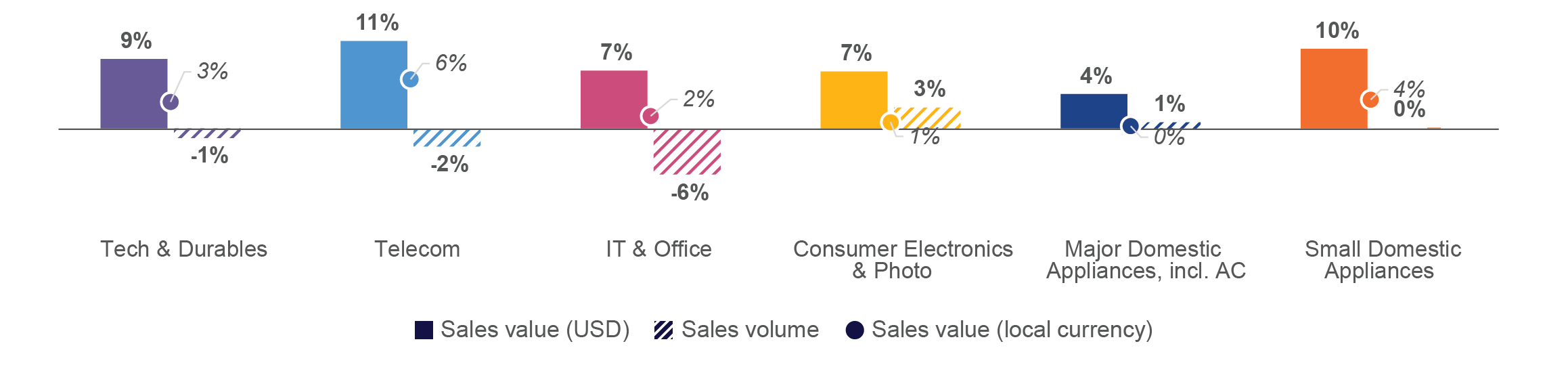
Much of the Q1 growth seen this year is due to a weakening of the US dollar during that period, especially against a strong Euro. In US dollars (USD), global sales of T&D products grew 9% in Q1 versus the same period last year. But viewed in local currency terms, it grew just 3%.
Ongoing price increases are also playing a role in the current technology industry trend of sales value growth outperforming volume growth. Manufacturers continue to face rising input costs due to the soaring price of energy, fuel, and component parts (memory chips in particular), which has led to an increase in product prices above the rate of inflation. This means current growth in T&D sales value is not wholly the result of consumers choosing more premium products.
Premiumization pockets amid pressure
There are key T&D product categories where Q1 sales value is driven by consumer premiumization—concentrated on categories where the product value is clearly communicated and relevant to consumers’ desired outcomes. These latest technology trends point to consumers being ready to pay more when product innovation delivers practical benefits that directly improve everyday life.
For example, smartphone launches from two major brands have helped drive Telecom value growth by encouraging people to upgrade. The Small Domestic Appliances (SDA) category continues to see an uplift in consumers choosing affordable premium products, with a high rate of innovation across the category—especially in vacuum cleaners—supporting higher prices. In Information Technology (IT) & Office, sales have been boosted by replacement cycles, along with people upgrading to AI-powered PCs and continued spending on gaming PCs, consoles, and accessories. Within Consumer Electronics, the picture is mixed: TV growth is holding up in value terms, but volume growth is still being driven by trending Photo segments, including action cameras, camcorders, and fixed-lens cameras.
Value surges ahead of volume in global T&D sales, driven in part by pockets of premiumization and foreign exchange impacts
Telecom benefits from key launches, IT from replacement cycles; SDA continues strong growth in affordable premium.
Global (excl. North America and Russia) Tech & Durables sales growth rate, Q1 2026 vs. Q1 2025
Uneven regional performance
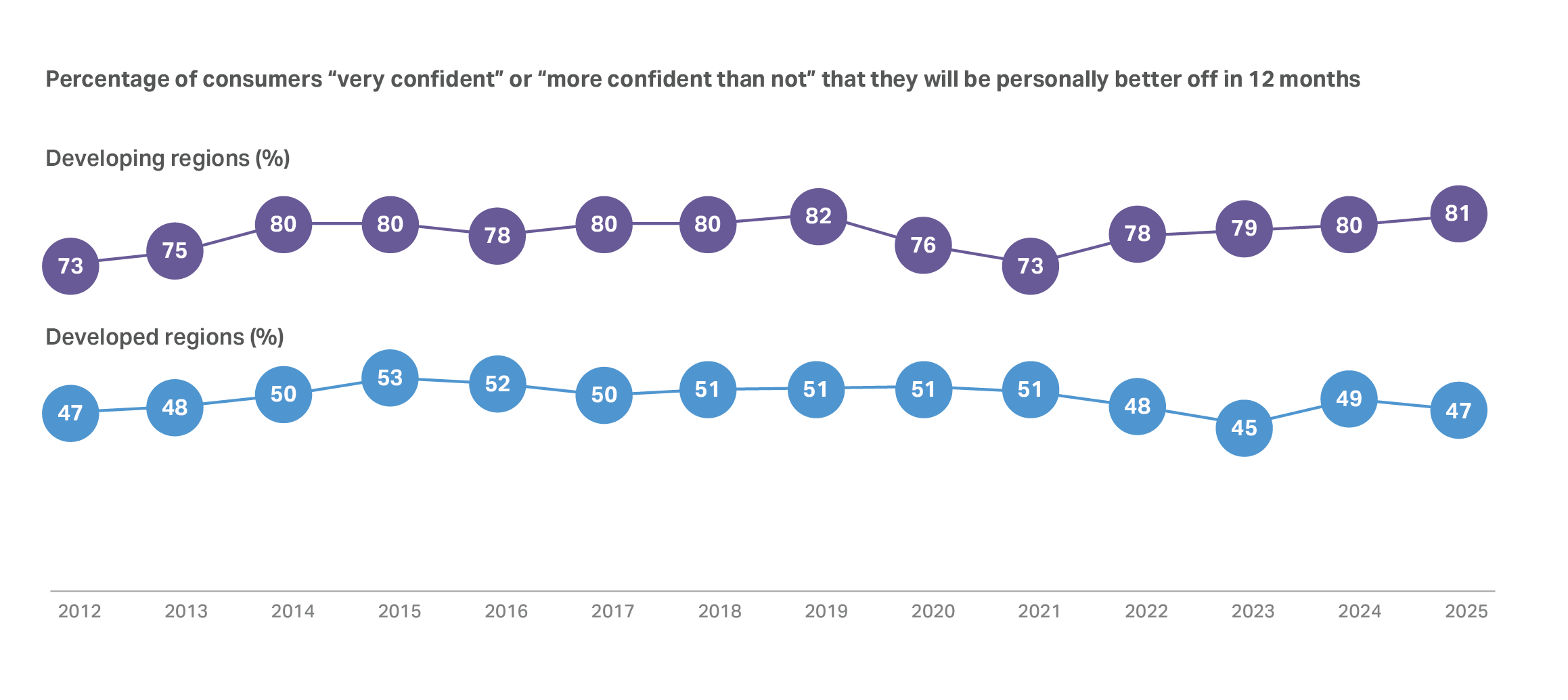
Consumers’ economic confidence in developing regions has shown a four-year trend of gradual improvement. However, in developed regions, confidence declined again last year after a short-lived boost in 2024, signaling stronger consumer caution in developed markets.
Consumers’ economic confidence has risen in developing regions, continuing a four-year trend
Confidence levels in developed countries signal stronger caution from consumers.
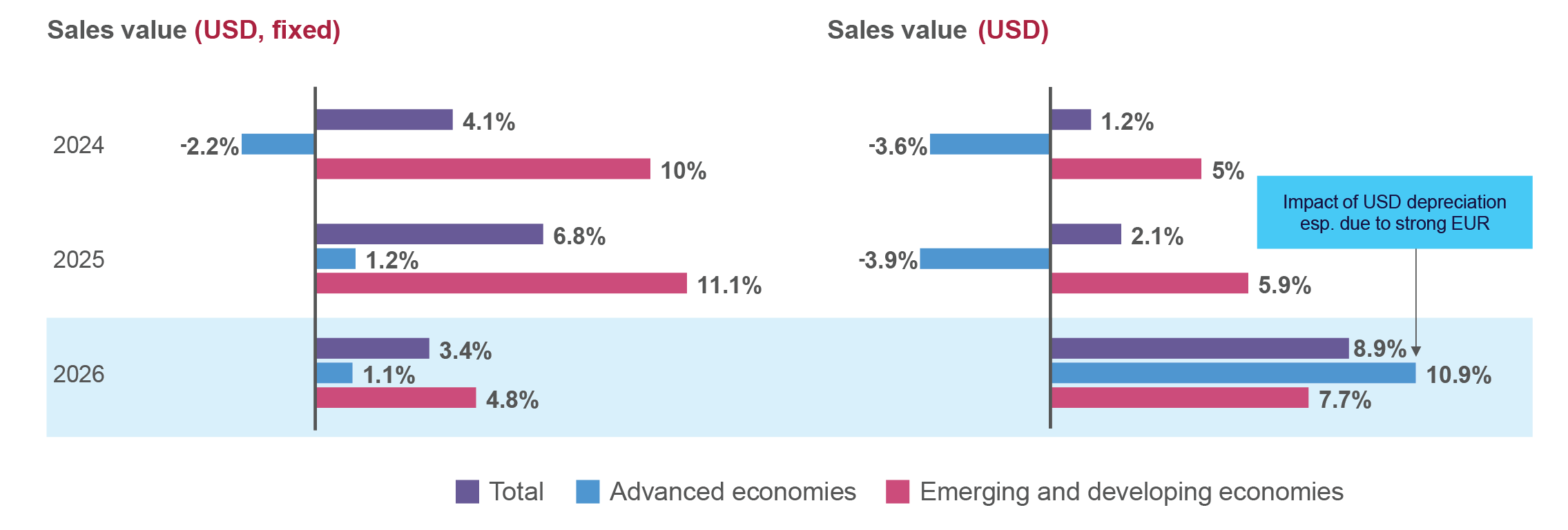
This confidence gap is reflected in T&D sales. While the world’s advanced economies did return to value growth in Q1 2026 (following two years of decline), the figures are accentuated by currency effects. When we look at growth reported in USD on a fixed exchange rate, the strongest signs of demand-led value growth continue to come from emerging and developing economies.
Growth is strongest in emerging economies
Emerging and developing economies continue to drive value growth in 2026. Advanced economies return to growth but heavily influenced by currency effects.
Global (excl. North America and Russia) Tech & Durables sales value growth rate, Q1 2026 vs. Q1 2025
Justified consumption
What these trends are showing us is that consumers are continuing to engage with tech—as proved by the volume of global sales remaining relatively stable—but becoming even more intentional as a direct result of over five years of exposure to a VUCA economic environment.
The trends reflect a psychological shift: Buying is no longer about “wanting the latest” but about “wanting a solution.” Affordability absolutely matters, but consumers’ calculation of “value” is increasingly multi-dimensional and centered around longevity, quality, and utility—not price alone.
Crucially, this means that the justified consumption mindset isn’t a race to the bottom. Consumers will spend, but their tolerance—for product and feature redundancy, for unclear value, and for post-purchase regret—is lower than it’s been in quite some time. Consequently, T&D category growth may be less dependent on the volume of innovation or distribution reach and increasingly influenced by targeted innovation that supports purchase justification.
Chapter 1 takeaways
Several years of higher prices and higher uncertainty has cemented consumers’ focus on disciplined spending. To better justify a place in consumers’ baskets, products should help answer two questions: “Why should I buy this now?” and “Will I feel this purchase was worth it six months from now?”

Get a complete view of performance across product categories, retail channels, and global markets.
Read the full report now
How justified consumption is manifesting in T&D purchase trends
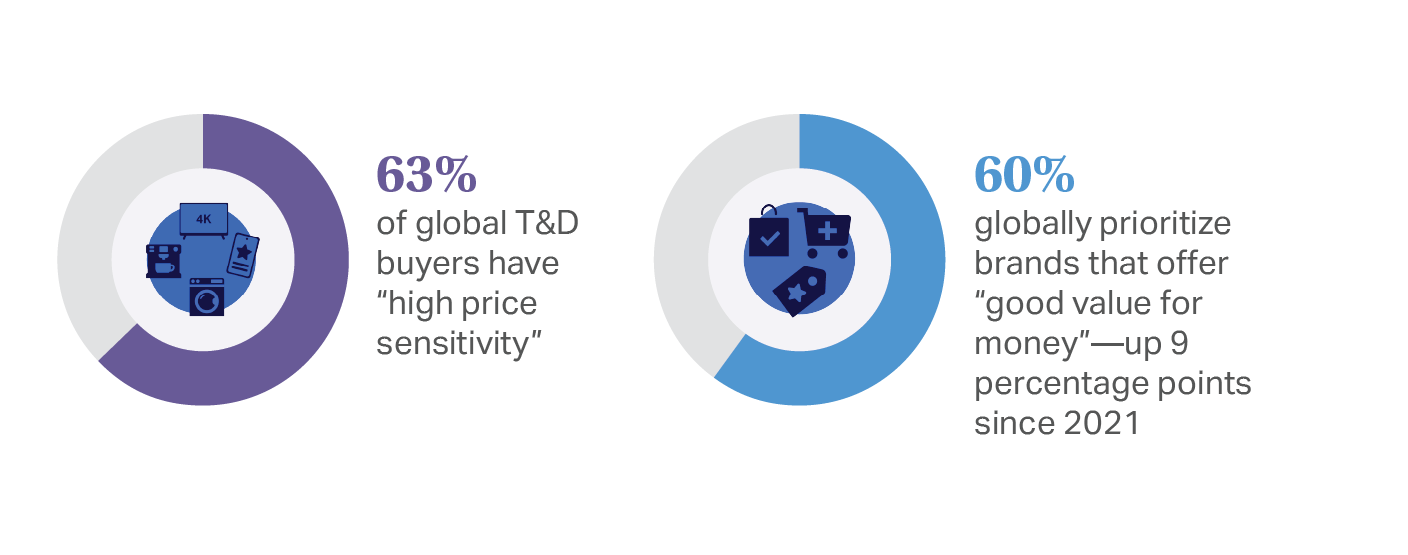
Affordability is still very much on consumers’ minds. NIQ analysis shows close to two-thirds of Consumer Tech & Durable Goods (T&D) buyers have “high price sensitivity”—with the tendency being even more evident among Millennials and Gen X.1
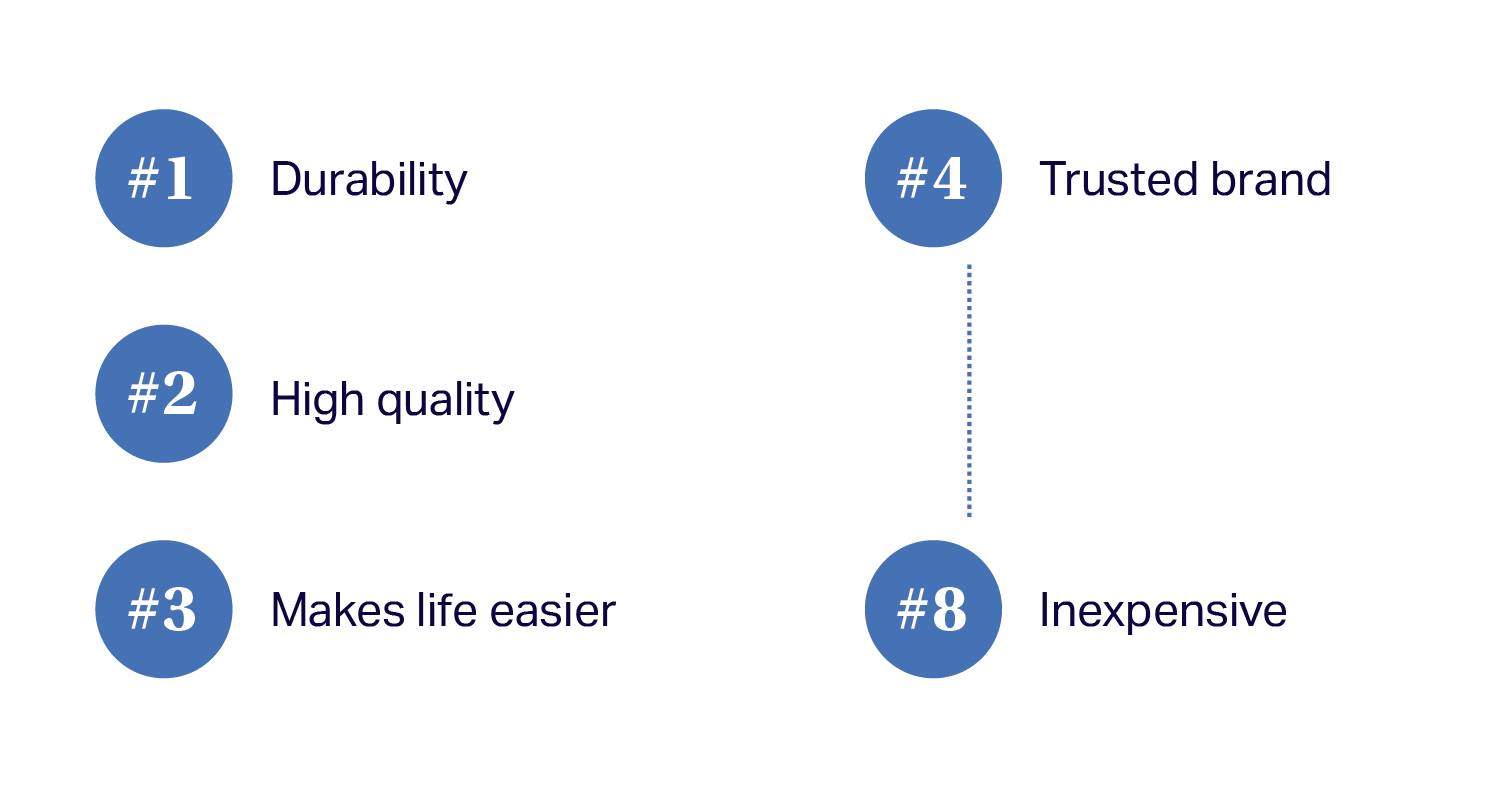
But this doesn’t always mean the cheapest price wins. Very nearly the same number of consumers say that offering “good value for money” is the most important thing about a brand—and that the most important factors that define “value” are durability, high quality, making life easier, and being a trusted brand. When thinking about “value,” they ranked “inexpensive” eighth in importance.
Consumers are price-sensitive, but not cheap. Value—not affordability alone—drives purchases
How important are the following when you think about getting “value” from a product?
(Ranked in order of most importance)
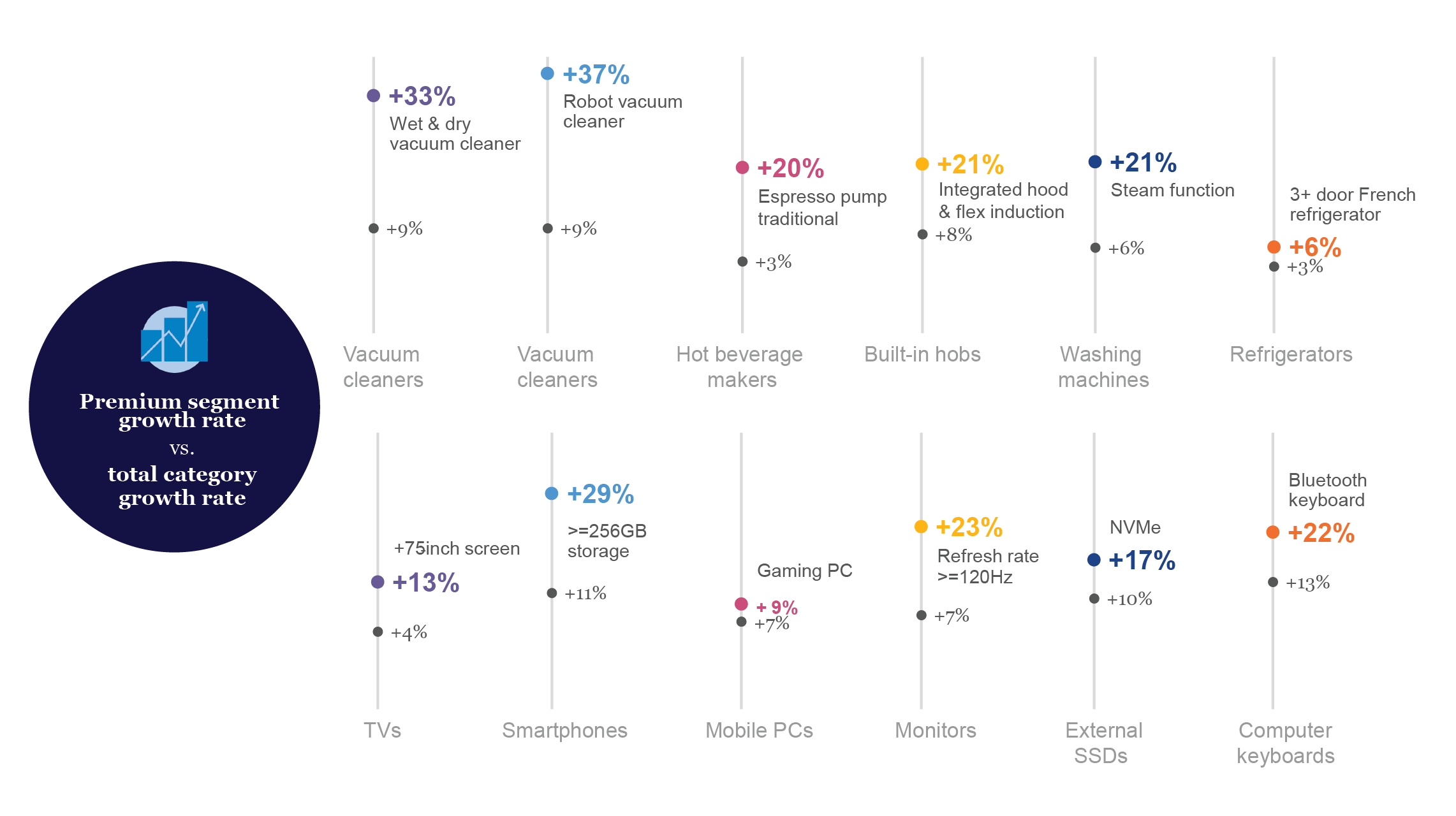
Consumers’ willingness to spend on higher-end products—where they see real relevance that justifies the price—is evident across multiple T&D categories, but it’s more common in IT, SDA, and Telecom than in Major Domestic Appliances (MDA) or panel TVs (PTVs).
Last year, SDA sales saw vacuum cleaners overall returning year-over-year value growth of 9%, but the premium segments of robot vacuum cleaners (37% growth) and wet-and-dry vacuum cleaners (33% growth) that offer time savings and greater convenience both performed far better. Similarly, hot beverage makers overall saw 3% sales value growth, while the premium segment of traditional pump espresso makers that produce high-quality espresso with minimal effort grew by 20%.
In MDA, built-in hobs saw sales value growth of 8%, while those offering space savings and more effective performance of an integrated hood and flex induction grew by 21%. Similarly, washing machines overall grew 6%, while those with a steam function for extra hygienic washing grew 21%.
In Consumer Electronics, TVs with 75-inch or larger screens for more immersive viewing grew 13% year over year, compared with 4% for TVs in general.
Similarly, in Telecom, smartphones with over 256GB storage—which enable users to have more photos, more apps, and greater futureproofing—grew 29%, while the overall category grew 11%.
Within the IT & Office category, PC monitors with higher refresh rates for enhanced eye comfort during prolonged use grew 23%—well above the 7% for monitors overall. For solid-state drives (SSDs), the overall category grew 10%, while Non-Volatile Memory Express (NVMe) SSDs that give faster data transfer for gaming and video editing grew 17%. Gaming PCs that can handle graphics-intensive tasks also performed better than the parent category, standing at 9% compared with 7% for mobile PCs overall. Finally, Bluetooth keyboards that eliminate the inconvenience of cables grew 22%, while keyboards overall grew just 13%.
“Value” justifies high growth for innovative segments
Products with relevant premium features deliver sales value growth that outstrips total category performance.
Global (excl. North America and Russia) sales value growth rate (USD), Q1 2026 vs. Q1 2025

“Global brands may be better positioned to grow premium share by making innovation not only aspirational, but meaningfully practical. Winning premium propositions will combine indulgence with everyday value—delivering durability, quality, usefulness, and trust that continue to matter long after purchase.”
—Norbert Herzog, Head of Global Strategic Insights, NIQ
2026 full-year market estimates and current technology trends
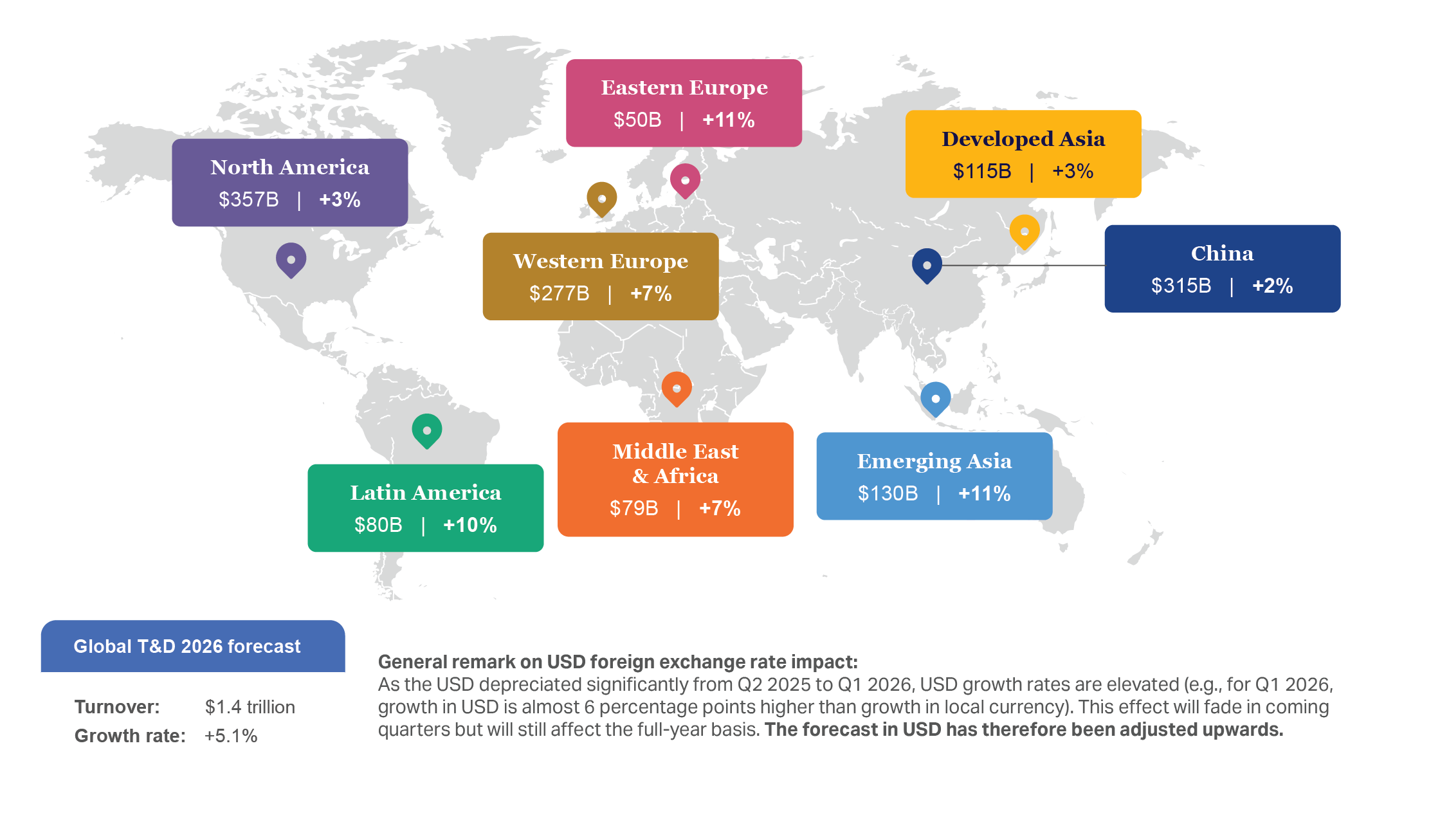
Consumers’ focus on value in their purchase behavior continues to be dominant this year too. Products with features that offer real utility, performance, convenience, and durability at an affordable price are meeting consumers’ “justify it” mindset. This means that, even though consumers are being highly intentional with their purchases, value growth is present. By the end of 2026, NIQ expects global sales of T&D products to reach $1.4 trillion (USD), representing growth of 5.1% year over year. (Note: This growth figure is reported in US dollars as of May 15, 2026, and is heavily influenced by current currency impacts.)2
This expansion won’t be evenly distributed, however. Based on NIQ’s current market estimates, growth is expected to be led by Telecom and SDA, with the rest of the market projected to deliver more measured and largely value-driven gains.
Global T&D sales are forecast to reach $1.4 trillion in 2026—up 5.1% year over year. Other forecasts include:
- Telecom: +8%
- SDA: +7%
- MDA:+3%
- Consumer Electronics: +2%
- IT: +2%
Source: NIQ GfK Market Intelligence: Sales Tracking; Total market estimation incl. North America, based on USD; Forecasting date: May 15, 2026, assuming stable USD exchange rate. North America estimation based on cooperation with the Consumer Technology Association (CTA).
In NIQ’s current market estimates, Telecom stands out as the leading engine of growth, with sales value forecast to rise by 8%. This performance is being driven first and foremost by a potential replacement cycle kicking in. Alongside that, strong flagship launches—particularly from Apple and Samsung—are stimulating upgrade demand. Memory chip shortages are driving up manufacturing costs across the board, pushing manufacturers to focus more on premium flagship products in order to retain margins.
In Europe, the Telecom market is entering a renewed churn cycle following two weaker years, further supporting volumes and value. While China is expected to soften due to the fading effects of subsidies and tough comparisons with 2025, premium device launches have already demonstrated strong traction in early 2026. Meanwhile, developed Asia continues to deliver robust revenue growth through premiumization, though inflationary pressures could moderate momentum. Overall, Telecom’s strength appears to be supported by innovation, inflation-driven pricing, and the brand equity of key players, positioning it as a leading contributor to projected incremental value growth.

Strategic implication for Telecom:
Defend premium pricing by proving the practical benefits of flagship specifications.
Small Domestic Appliances (SDA) follows as the second key growth driver, with sales expected to grow by 7%. Here, the story is one of selective consumer spending: While households remain broadly cautious, they’re willing to invest in products that deliver clear, tangible benefits. Innovation—particularly in multifunctional, smart, and convenience-driven devices—is enabling brands to command premium price points and sustain value growth.
At the same time, pricing is expected to remain elevated due to ongoing geopolitical volatility, as well as continued innovation. China’s market is expected to see some short-term drag in the first half of the year due to trade-in policies pulling demand forward into 2025. Overall, SDA’s “hero” segments continue to expand, underlining the strength of innovation-led premiumization.

Strategic implication for SDA:
Prioritize “hero” products that visibly save time, reduce effort, or improve daily routines.
Major Domestic Appliances (MDA) are forecast to deliver more modest growth of 3%. Consumer caution remains a defining feature of the category, with high interest rates and inflation—exacerbated by higher oil prices—limiting discretionary upgrades. Instead, demand is largely anchored in replacement cycles, which are expected to provide a steady but unspectacular lift to volumes.
Premiumization remains a lever for value growth, but its geographic center of gravity is shifting: While China slows due to normalization after subsidy-driven highs in 2025, other regions are seeing a stronger uptake of higher-end products—often driven by design features. Overall, MDA offers stable, needs-based growth but lacks the dynamism seen in the more innovation-driven categories of Telecom and SDA.

Strategic implication for MDA:
Win replacement demand by making energy efficiency, durability and repairability, ease of use, and total cost of ownership easier to compare.
Both Consumer Electronics & Photo and Information Technology (IT) & Office are expected to grow at a more subdued rate of 2%, reflecting their relative maturity.
In Consumer Electronics, market saturation continues to constrain underlying demand, although a temporary uplift—especially for TVs—is anticipated in North America and Latin America from promotional activity around the 2026 World Cup. Performance across the category is mixed. Photo remains a bright spot, with global sales value of action cameras growing 83% (USD) in Q1 2026, despite a slowing Chinese market following strong, subsidy-supported growth in 2025.
In Audio, volume of demand continues to decline, with a 4% year-over-year drop in Q1 2026 due to high baselines in Q1 2025, but sales value is growing strongly at 12% (in USD), or 5% (USD, fixed rate). This growth is being driven by premium products and innovative segment growth. In particular, open-ear headphones are growing via segment expansion, while wireless headband headphones and wireless in-ear buds continue to drive premium value growth. In particular, premium earbuds priced at over $250 (USD) are key drivers for the category’s total value growth. What we’re seeing in Audio is a particularly high trend of consumers getting an additional product—on top of the usual replacement and upgrade purchases. Currently, 17% of headset/headphone buyers are getting an additional product—significantly higher than the overall T&D benchmark of 13%.3

Strategic implication for Consumer Electronics:
In a saturated market, growth will depend on precision plays around moments, segments, and use cases to create a targeted reason to buy or upgrade.
The IT & Office sector will be supported by pockets of growth. The PC market continues to benefit from the final stages of a replacement cycle and the Windows 10 refresh creating demand, although at a lower level than last year. Due to the rising price of PCs (driven by the global memory shortage), most demand will come from consumers replacing broken or partially functional devices. Consumers are deferring purchases where they can—a trend that was already seen last year, with only 28% of mobile computing sales coming from people replacing a fully working device or buying an additional device.4 Overall, though, value growth for the PC category will be sustained by a continued elevation in device prices, even as volume of demand softens.
Gaming remains a key growth driver within the IT category, with ongoing positive demand for gaming PCs and consoles, as well as accessories. As with other sectors, China’s normalization from a high 2025 base will act as a drag on global performance.

Strategic implication for IT & Office:
Communicate productivity, performance, and future-proofing clearly to justify more premium purchases as replacement-cycle tailwinds fade.
Wearables (and smart glasses) remain smaller categories in the overall T&D landscape, but they provide useful signals about emerging trends in consumers’ interest in tech innovation. Rising drivers include health, AI-enabled personalization, and form factors beyond the wrist, such as glasses, rings, and other screenless, discreet trackers.
Wearables sales overall are growing 8% year over year (USD, Q1 2026) but, like the overall T&D trend, declining in volume (-4%). Innovative segments are outpacing category growth by some margin. Rings, for example, are an exciting screenless form factor that’s growing at a stunning rate of 87% year over year (USD, Q1 2026), while smart glasses are growing more than 300% across EU5 countries (Euro fixed rate, Q1 2026), with new players going up against Ray-Ban Meta.5
Smart glasses’ momentum is being driven by the convergence of fashion, trust, and functionality—consumers are more likely to adopt them when they look like normal eyewear, are backed by trusted fashion or optical brands, and deliver clear use cases such as hands-free capture, open-ear audio, live translation, contextual AI assistance, and lightweight AR overlays. The average price of AI smart glasses is rising sharply, suggesting that innovation and richer feature sets, including AI voice assistants, are supporting premiumization.

Strategic implication for Wearables and smart glasses:
Treat wearables less as accessory categories and more as ecosystem gateways. Growth will depend on proving everyday utility, privacy, trust, and comfort, alongside interoperability with smartphones, health platforms, and AI assistants. A savvy mix of distribution channels—such as the physical availability of smart glasses within optical and fashion retail channels, as well as tech channels—is also critical.
Chapter 2 takeaways
Overall, T&D growth will be increasingly concentrated in sectors that can sustain premium pricing through innovation, such as Telecom and SDA. Smaller but rapidly expanding tech segments—such as open-ear headphones, smart glasses, and smart rings—are seeing early adopters buying into premium and unique value propositions. Elsewhere, growth is more dependent on replacement cycles, pricing dynamics, or short-term demand triggers.

“In 2027, growth may favor brands that know where to accelerate and where to defend. Categories such as Telecom, SDA, and Wearables present the playbook on leading via visible innovation that delivers on consumer needs and aspirations, at price points that consumers can justify paying.”
—Sarah Bartz, Director, Global Strategic Insights, NIQ

Forecast sales, pinpoint market areas to generate revenue premium, and quantify the risk of competitive pricing action on your portfolio
Six routes to consumer tech growth in the justified consumption era
1. Focus where value growth is real: Regional dynamics
Regional dynamics are central to global growth in Consumer Tech & Durable Goods (T&D), with each geography contributing in distinct ways. Understanding these regional differences provides valuable technology industry insights for leaders planning their growth strategy for 2027 and beyond.
NIQ’s market estimation for 2026 full-year sales shows North America (the largest market at $357 billion) set for value growth of 3%, reflecting its market maturity. (NIQ’s market estimate for North America is generated in partnership with the Consumer Technology Association (CTA)). Here, value expansion is driven primarily by premium cycles and replacement demand, positioning the region as a stable profit pool rather than a major growth accelerator.
Europe is a stronger growth engine overall. Western Europe ($277 billion, +7%) is set to outperform the global average, supported by upgrade cycles and premiumization, while Eastern Europe ($50 billion, +11%) stands out as a key source of incremental growth. Together, they combine scale with momentum, making the region critical for share gains.
In Asia Pacific, the picture is more mixed but strategically vital. China ($315 billion, +2%) is slowing due to normalization after subsidy-driven highs but remains an essential market of focus, given its scale and premium demand. By contrast, Emerging Asia ($130 billion, +11%) is among the fastest-growing regions, driven by rising incomes and expanding adoption, while Developed Asia ($115 billion, +3%) delivers steady, premium-led growth.
Latin America ($80 billion, +10%) and Middle East & Africa ($79 billion, +7%) are contributing disproportionately to incremental growth given their relative market sizes, fueled by expanding consumer bases and increasing market penetration.
2026 full-year forecast for Consumer Tech & Durable Goods market growth
| Type of opportunity | Regions | Recommended areas for strategic focus |
| Mature profit pools | North America, Developed Asia | – Margin – Premium replacement – Loyalty – Services |
| Scale plus momentum | Western Europe, China | – Portfolio precision – Premiumization – Innovation localization |
| High-growth engines | Eastern Europe, Emerging Asia, Latin America, Middle East & Africa | – Access – Affordability – Channel expansion – Open ecosystems |
Companies that build the market nuances of each of the regions in which they operate into their broader global strategy may be better positioned to compete and win in 2027 and beyond. This means aligning product portfolios, pricing, channel strategies, and innovation pipelines to distinct regional growth drivers—balancing scale markets, premium profit pools, and high-growth emerging regions.
“To compete effectively in 2027, global T&D manufacturers and retailers should consider balancing mature-market profitability with targeted investment in the high-growth regions where adoption is still expanding.”
—Perry James, Global Head of Tech & Durables, NIQ
2. Price for confidence, not just conversion: Pricing and promotions
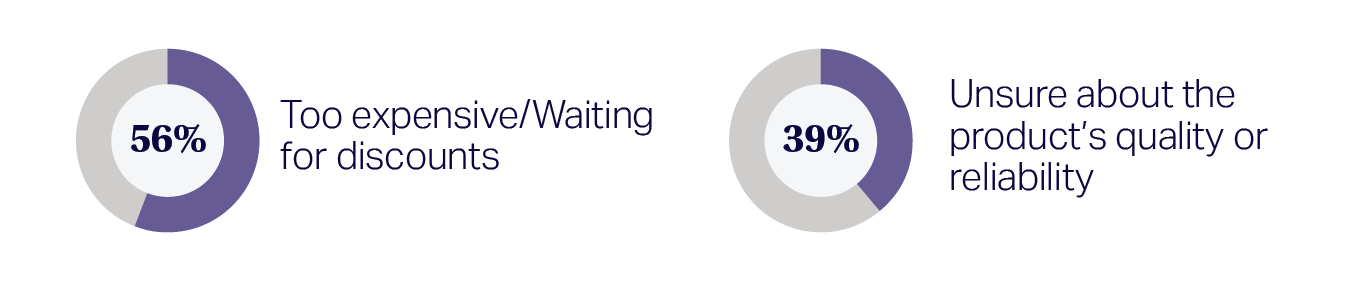
Price remains a leading consideration within consumers’ “justify it” mindset—both during their initial research and when making the final purchase decision. In NIQ’s recent Consumer Tech & Durable Goods survey, over half (56%) of consumers said they delayed their decision to buy consumer tech or appliances because the product was too expensive or they were waiting for discounts.6 However, within their “affordable range,” consumers aren’t necessarily looking for the lowest price, but rather, for an unregretted price.
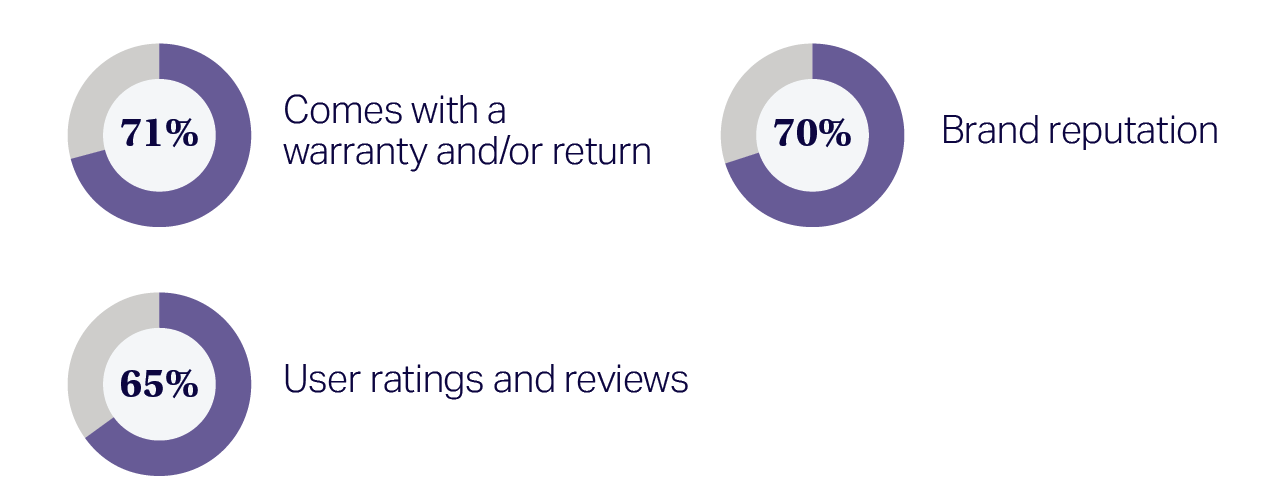
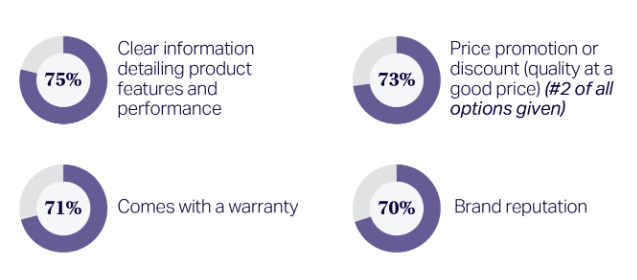
Challenger brands offering products with strong feature sets at competitive prices are resonating with value-centric shoppers and gaining share in specific markets and categories. Price alone doesn’t guarantee conversion, however. Nearly four in 10 (39% of) consumers delayed their purchase because they weren’t sure about the product’s quality or reliability. Meanwhile, 70% said brand reputation, product warranty, or a product return policy has a “strong or very strong” influence on their decision on which product to buy, and 65% said the same about user ratings and reviews.
Have any of the following ever delayed your decision to buy consumer tech or home appliances?
How much do the following influence your final purchase decision on which consumer technology products to buy?
(Strong/Very strong influence)

“The premium battleground is shifting. In a world of AI-assisted discovery and endless choice, consumers may be less likely to reward brands simply for offering better features and more likely to respond to brands that make purchase decisions easier. The strategic imperative for manufacturers and retailers is clear: reduce complexity, build confidence, and actively guide consumers through increasingly fragmented decision journeys.”
—Namrata Gotarne, Director, Global Strategic Insights, NIQ

Make quick, efficient pricing adjustments, run successful promotions, and react to competitors’ activities with NIQ’s Pricing and Promotions Solutions
Promotional events: Consumers are optimizing when they buy
A key manifestation of consumers’ “justify it” mindset is seen in their behavior around price promotions. Almost three-quarters (73%) of consumers globally say “price promotions or discounts” have a strong or very strong influence on their final purchase decision7 and the top seven promotional events deliver over one-third (35%) of T&D annual global sales value each year.8
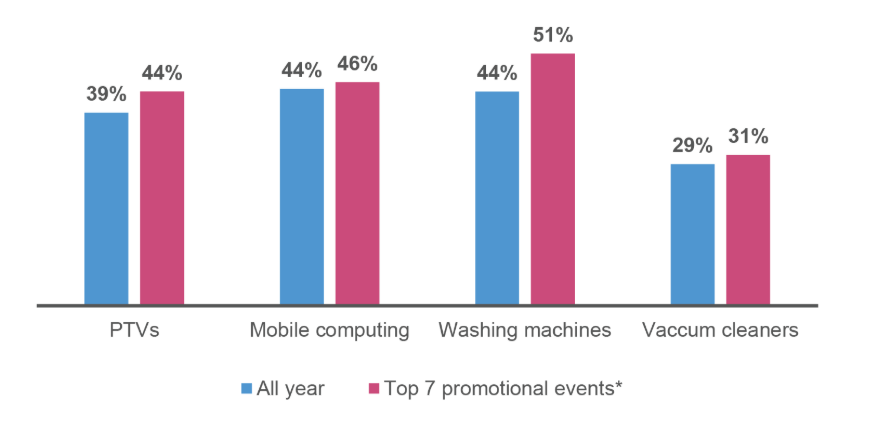
But it’s more complex than consumers just waiting for discounts to spend less. During big promotional events, increased numbers of consumers spend more (not less) than they had planned, compared with the rest of the year. During big promotional events—and, indeed, during the rest of the year, too—a significant number of shoppers end up choosing a more premium product than they intended to buy because they calculate that they will receive better value by spending that little bit more. This is a clear example of the justified consumption mindset in action.
During big promotional events, increased numbers of consumers spend more than planned, not less
Consumers trade up during price promotions because they get better value by doing so.
Did you spend more or less than you initially planned on your new product?
Section takeaways
Affordability remains a leading factor for consumers, but it isn’t the only consideration within their “justify it” mindset. T&D markets are seeing both growth in affordable products/challenger brands and continued premiumization because consumers aren’t just asking, “Can I afford this right now?” They’re also asking, “Will I feel this was worth it six months from now?” Winning brands price for product confidence, not just competition.

“In 2027, promotion strategy must function as a growth engine. Winning brands will use key sales events to drive confidence, trade-up, and conversion—and not simply to drive short-term volume spikes.”
—Anthony Norman, Head of Global Clients, Europe and MEA, NIQ

Identify the right white spaces, build compelling value propositions, and optimize your product experience and activation with NIQ’s Innovation solutions.
3. Innovate where benefits are visible and relevant
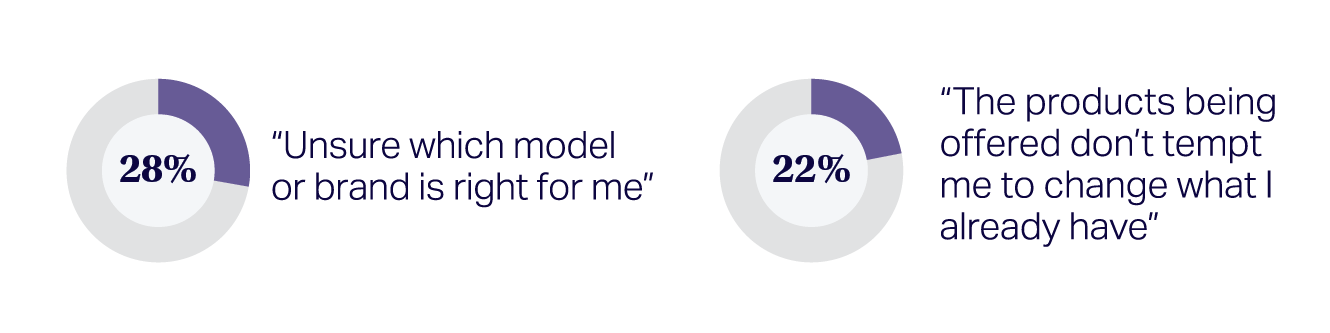
Assuming the price is right, emerging technology trends such as onboard AI and predictive maintenance have the potential to create growth opportunities in the era of justified consumption—but consumers’ tolerance for redundancy appears low. Right now, one in five consumers are delaying tech purchases because they say the products being offered don’t tempt them to change what they already have—and an even higher number are delaying because they’re uncertain which model is right for them. Brands may lose these potential buyers because their product’s features, design, or offer are missing the mark.
Have any of the following ever delayed your decision to buy consumer tech or home appliances?
How much do the following influence your final purchase decision on which consumer technology products to buy?
(Strong/Very strong influence)
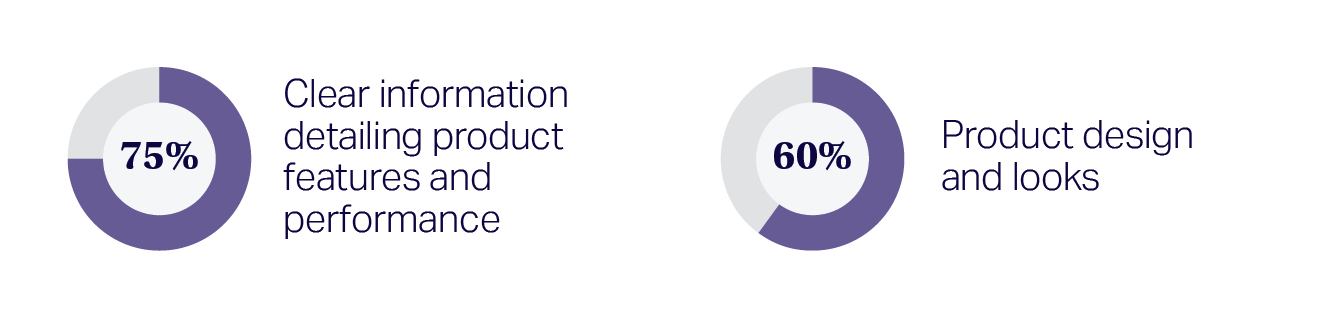
As the previous chapters have shown, the products and features that modern consumers see as “meaningful” are those that reduce running costs, last longer, deliver enhanced convenience and performance for specific activities, and lessen friction points in consumers’ lives.
Energy efficiency
Consumer demand for energy-efficient products has become increasingly important in many T&D categories. This is seen in two areas.
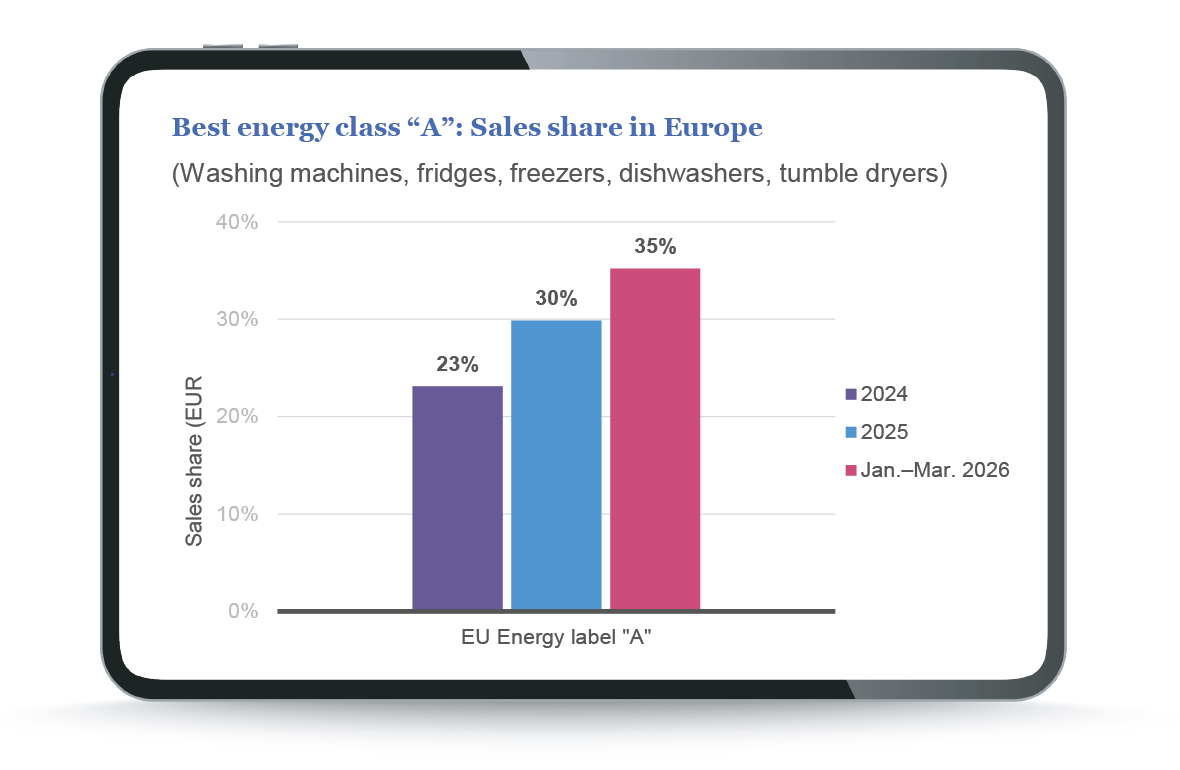
The first area is driven by the high cost of energy and consumers’ desire to save money by buying tech products with reduced running costs. Demand is highest in larger, high-use appliances such as washing machines, tumble dryers, and air conditioning units—but it’s creeping in as a differentiator in smaller, high-use appliances such as vacuum cleaners, where 16% of consumers globally already cite energy efficiency as a high-importance factor in their final product choice.9
Consumer appetite for energy efficiency in home appliances
Sales share of “A-class” are increasing year by year as prices become more affordable, with 2026 energy price hikes being an additional driving force.
The second area is driven by consumers’ desire for convenience in the form of long battery life in everything from smartphones, wearables, and Bluetooth headphones and speakers to cordless vacuum cleaners and power tools. As innovation around the functionality and performance of these devices increases their energy consumption, longer battery life is becoming even more important as a prime differentiator.

57% of consumers in Germany and the United Kingdom say battery life is a top choice driver for mobile phones
Source: NIQ gfknewron Consumer, January–December 2025

20% globally say products not working when needed is a top concern when it comes to technology
Source: NIQ Consumer Life Global 2025
Products with built-in artificial intelligence (AI)
One of the most influential artificial intelligence trends today is manufacturers embedding emerging AI technologies into devices to improve automation, personalization, performance, and convenience. Consumers are increasingly evaluating these new technology innovations based on tangible consumer outcomes rather than the AI label itself.
Globally, awareness of new technologies, such as AI-powered features within consumer tech products, is already meaningful, with over half (57%) of consumers in a recent NIQ survey saying they understand what “AI-powered features” means. Appetite is mixed and split between three similarly sized consumer segments: 27% feel that AI features provide “clear, meaningful benefits”; 31% see them as being “useful in some cases, but often not essential”; and 30% say either that AI features sound appealing but they don’t notice the real benefits in practice, or that it’s a marketing buzzword rather than real innovation.10
Within this global picture, there’s also geographic divergence. China, India, and Saudi Arabia stand out as potential accelerators, with positive perceptions of AI-powered features standing significantly higher than the global average. In particular, consumers in China are more likely to believe AI-powered features save them time and effort and enhance the product’s performance, and they’re less likely to see AI as adding complexity without any clear benefit. By contrast, in Czechia, Italy, Japan, and South Korea, close to four in 10 say AI features are useful in some cases but often not essential—notably higher than the global average of 31%. Critically, one-quarter(25%) of consumers in Japan say they’re uncertain, or feel they don’t know enough, to be able to judge the value of AI features in tech products.
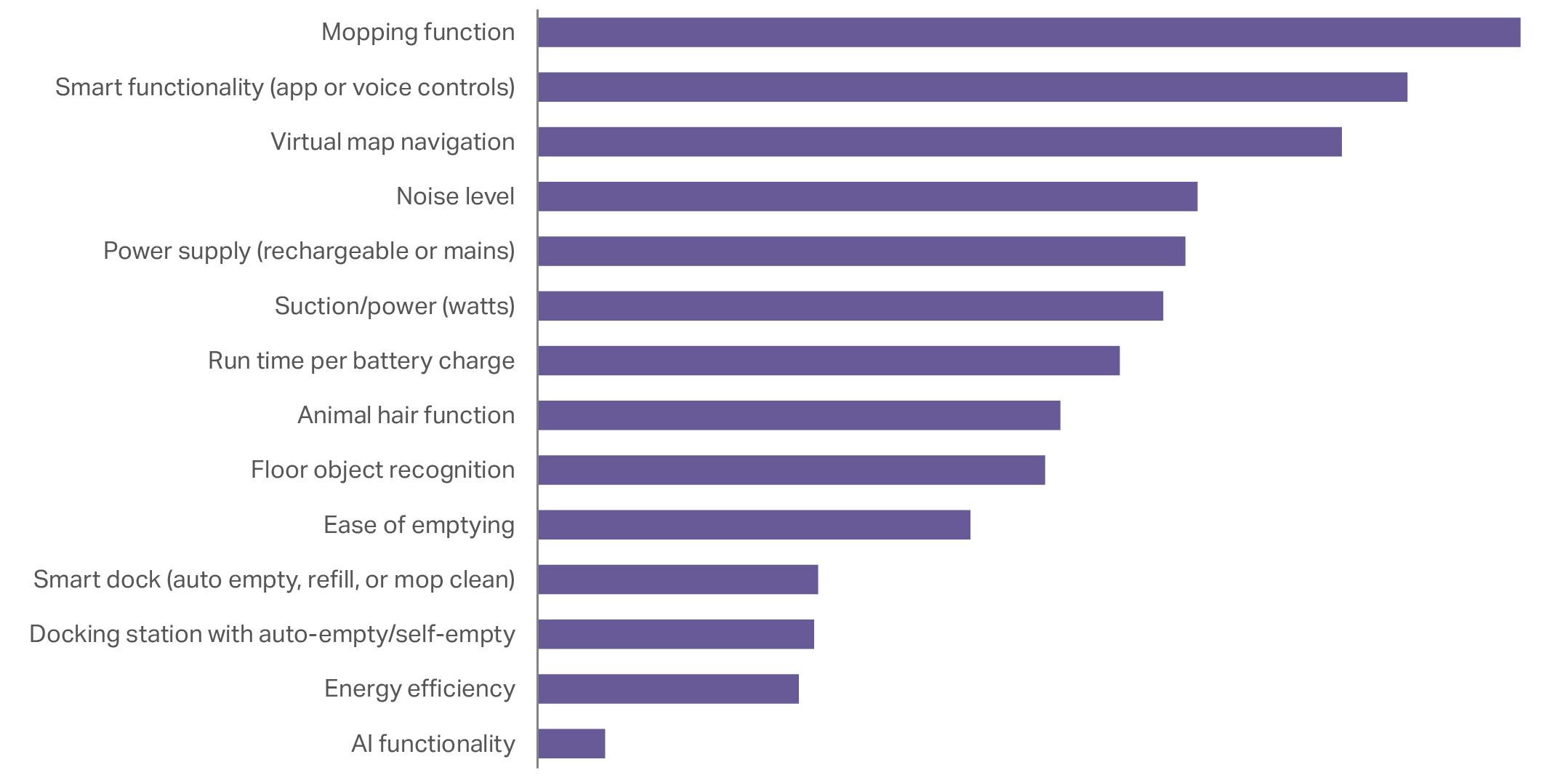
There’s also a continuing question over whether consumers truly know which functions are AI-powered and which are not. A prime example is seen in robot vacuum cleaners. Many of the features that shoppers say are most important to their final choice—such as smart functionality, virtual map navigation, floor object recognition, and smart docking—are, in fact, AI-powered. Despite that, “AI-functionality,” when listed as a feature, continues to sit toward the bottom of the list of consumers’ reasons to buy. This is because, for consumers, AI’s relevance comes when it’s visibly enabling core functionality that delivers tangible benefits.
AI-powered functions are creeping higher as choice drivers, although consumers may not recognize them as “AI-powered”
“Which of these product features were most important to your final choice?” (Robot vacuum cleaners)
Manufacturers and retailers must not only consider whether products featuring AI-powered innovations will scale but also which markets are most receptive to these new technology trends. AI-enabled consumer devices are among the most significant emerging tech innovations, creating opportunities for differentiation and premium growth. However, AI isn’t yet a universal value proposition, and many consumers value AI-powered features without necessarily valuing the label “AI.” Some leading brands are gaining traction by translating “AI” into consumer outcomes such as enhanced performance, reduced effort, lower running costs, simplified installation, more personalization, or greater peace of mind.
Home ecosystem and interoperability
Interoperability has become an important expectation for many consumers. As part of broader digital transformation trends, connected devices increasingly need to function seamlessly across brands, platforms, and ecosystems. Seven in 10 (72% of) consumers say they already have as many as five linked products in their home ecosystem, and 78% say it’s “very” or “somewhat” important that new products work seamlessly with what they already own.
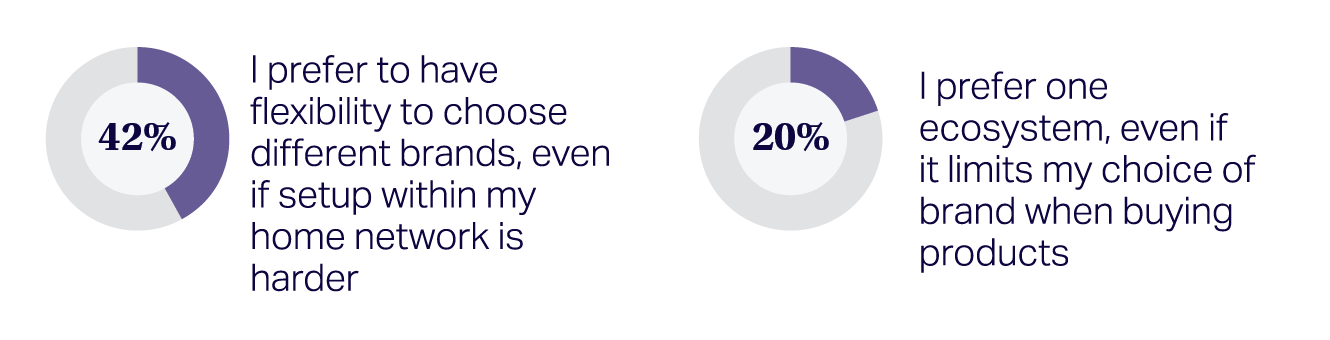
Critically, most consumers don’t want to be locked into a single-brand ecosystem. In fact, twice as many (42%) favor having the flexibility to choose different brands, even if it makes setup within their home network harder, as favor having one ecosystem that limits their choice of brand when buying new products (20%).11

“Global brands will win the ‘connected home’ market by making compatibility effortless. Given that four in 10 consumers want the flexibility to choose different brands within their home ecosystem, and nearly eight in 10 say it’s important that new products work seamlessly with what they already have, the next battleground isn’t who owns the ecosystem, but who removes the most friction from it.”
—Nevin Francis, Senior Director, Global Strategic Insights, NIQ
Which best describes your attitude toward your home “ecosystem” or network of connected tech products?
Again, there’s important geographical divergence within this big picture. Countries such as Brazil, China, South Africa, and Türkiye significantly over-index on interoperability being “very important,” while Japan and South Korea have the largest segment seeing this as neither important nor unimportant. When it comes to open or closed ecosystems, half or more of consumers in Brazil, India, Italy, Mexico, Saudi Arabia, and South Africa want the flexibility to choose different brands, while those in China are slightly more inclined to favor one ecosystem.
The data suggest that product interoperability and open ecosystems are important competitive considerations, particularly in growth markets, while closed ecosystems may create adoption barriers for some consumers.
Health Tech and Beauty Tech
Consumer spending on health and wellness and beauty has shown signs of resilience to ongoing economic uncertainty. While these are relatively small sectors within the Consumer Tech & Durable Goods (T&D) industry, they present manufacturers and retailers with real growth potential.
Health Tech
Global Wellness Institute data shows that the global wellness economy has more than doubled in size since 2013, consistently growing faster than the global economy. Within that, consumers’ appetite is strong for tech products that support physical and mental health.
Six in 10 (60% of) consumers in NIQ’s Global Consumer Tech 2026 survey of 17 countries say that health-focused tech products are effective in helping improve their overall health and wellness, and 74% would prefer a tech product that offers extra health and wellness features over one that doesn’t (consisting of 32% saying “yes, definitely” and 43% saying “yes, depending on price”). Additionally, 46% claim they’re willing to pay up to 10% more for a tech product that includes health and wellness features versus a “standard” model. This finding aligns with NIQ’s previously highlighted sales tracking data, which indicated that products such as washing machines with a steam function for extra hygiene are outperforming other washing machines.
It’s important to note that these percentages are consistent with those presented in NIQ’s Global State of Health & Wellness 2025 report, indicating that consumer appetite for health tech is stable—and not just a short-term trend.
Consumers’ top motivations for buying health tech continue to span the full range of physical fitness, healthy eating, and mental wellness, while the most important influences on the purchase decision are price (63%), features and functionality (54%), brand reputation (46%), and user reviews and ratings (45%).
What’s of particular interest is that consumers now see brand reputation as being as important as user reviews and ratings when it comes to health tech purchase decisions, whereas last year consumers ranked brand reputation significantly lower than user reviews. This increased focus on brand reputation indicates the challenges consumers have encountered around trust. With internet shopping and social media channels flooding consumers’ feeds with tech products promising high performance at very competitive prices—but which do not always live up to their marketing claims—consumers’ tolerance for post-purchase regret has diminished. Quality and durability are leading components in the value calculation that consumers’ justified consumption mindset centers around—and this means that brand reputation is again of increased importance.
What are your main motivations for buying a health-focused technology product?
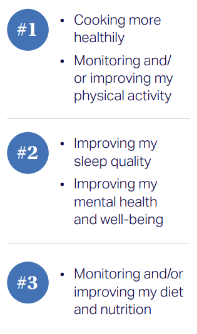
Once again, regional differences are significant and must be factored into a successful global strategy. Brazil, China, India, Mexico, Saudi Arabia, and South Africa show some of the highest levels of interest in health-focused tech products—and belief in their effectiveness—but with marked differences in their price sensitivity. Consumers in European and North American countries are largely more skeptical and more focused on price, so manufacturers and retailers must clearly communicate the relevant value equation to consumers to drive sales.
Beauty Tech
Beauty Tech delivered 6% value growth last year, with premiumization offsetting a decline in volume of sales and a widening consumer spending gap. This growth was driven by hair styling and drying devices and shavers, while electrical massagers declined due to saturation and regulation.

43% “Looking good is a personal value that gives meaning to my life”—up 7 percentage points vs. 2023
Source: NIQ Consumer Life 2025 (Countries: Argentina, Australia, Brazil, Canada, China, France, Germany, India, Indonesia, Italy, Japan, Mexico, Russian, South Africa, South Korea, Spain, UK, US)
Importantly, innovation is contributing to premiumization growth in the Beauty Tech category, with some innovation-led brands redefining price ceilings and capturing a disproportionate share of value through high-end, multi-functional products.12 That said, there’s clear polarization in consumers’ purchase behavior within Beauty Tech, with “thriver” consumers driving premiumization while “strugglers” are focusing on value. Additionally, around 57% of hair styling purchases come from younger cohorts; it’s these consumer segments that are the primary drivers of innovation adoption and premium growth.13
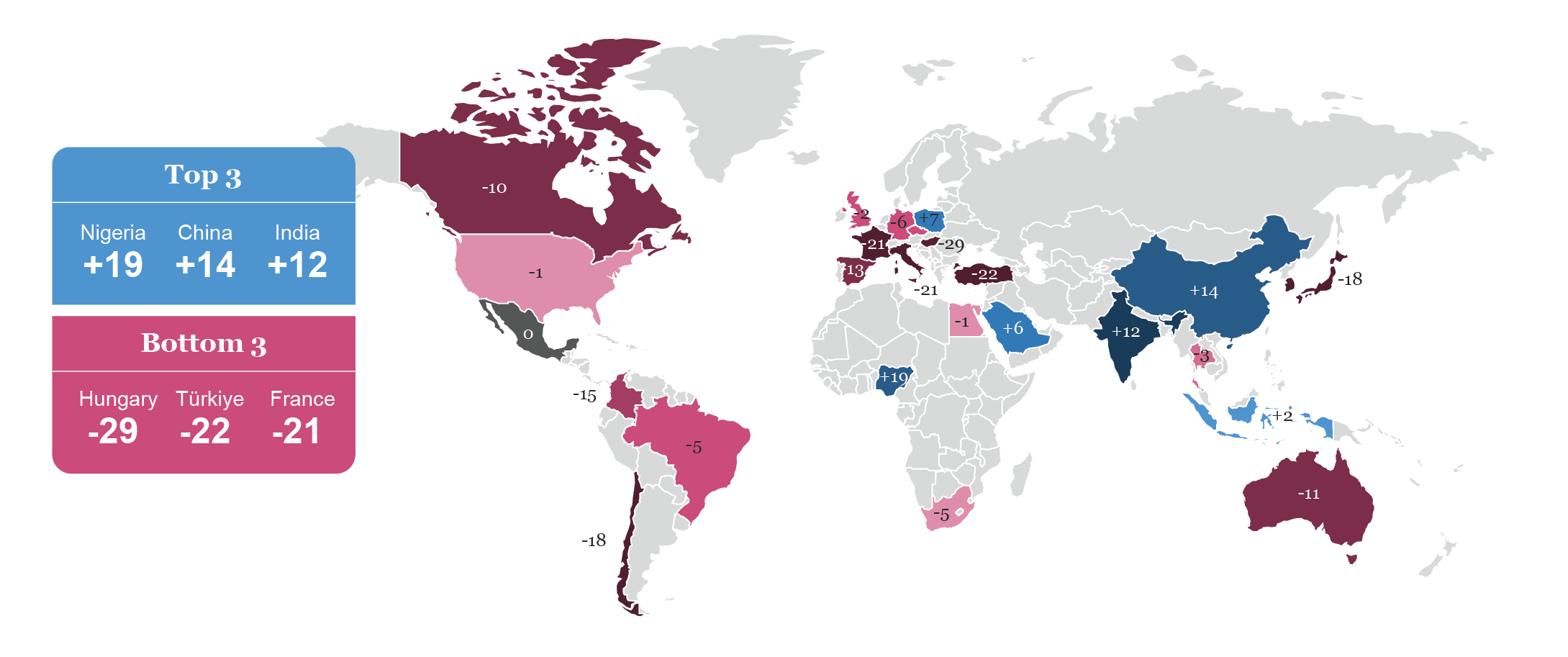
Mixed consumer intentions in 2026
Macro mood, cultural norms, and income stability shape contrasting full-year 2026 outlooks
Net Beauty & Personal Care spending intentions over next 12 months (those spending more minus those spending less)
“In 2027, innovation must earn its shelf space. Global brands can position themselves more competitively by cutting features that confuse consumers and scaling benefits that consumers can readily understand, compare, and use.”
—Anthony Norman, Head of Global Clients, Europe and MEA, NIQ
Section takeaways
- Across all levels of spending, consumers are looking for proof of trust. To earn their business, brands should invest in building a strong reputation for quality and value, incorporating product price, performance, durability, data governance, and user satisfaction.
4. Build low-risk ownership models
In the era of justified consumption, ownership itself is being redefined. Consumers are looking beyond the upfront purchase price to assess the full value, risk, and responsibility attached to the products they buy—how long they will last, how much they will cost to run, whether they can be repaired or resold, and what happens when they reach the end of their useful life.
This is opening new routes to growth for T&D manufacturers and retailers that can make ownership feel lower-risk and higher-value. Subscription models, refurbished products, trade-in programs, repairability, warranties, certified testing, and sustainability focused on practical product attributes all help consumers justify purchases with greater confidence. The opportunity stretches beyond selling more products to building circular models that help extend product value, strengthen trust, and create new commercial touchpoints across the ownership lifecycle.
Circularity and refurbishment
With value-seeking being mainstream, consumers are increasingly exploring alternatives to new purchases—and opening the route for the refurbishment market across all T&D categories.
Already, 55% of consumers claim they know about the concept of refurbished/renewed consumer tech and home appliance products, and around half say they’re “very” or “somewhat” likely to consider buying one—assuming it’s from a trusted source and comes with a warranty. This potential is highest for consumer electronics (e.g., TVs, gaming products, audio equipment), IT products (e.g., PCs, laptops, tablets), and smartphones, in which categories 54%, 53%, and 53% of consumers, respectively, are “very” or “somewhat” likely to consider buying a refurbished item. This is followed by small domestic appliances (e.g., vacuum cleaners, coffee makers, food mixers, bread/pasta makers, toasters, countertop appliances) at 52%, then major domestic appliances and smart home devices at 47% each.14
Price (57%) remains the dominant motivation for buying a refurbished product rather than a new one, followed by “getting a better model than I could otherwise afford” (40%) and “reduced environmental impact” (30%).
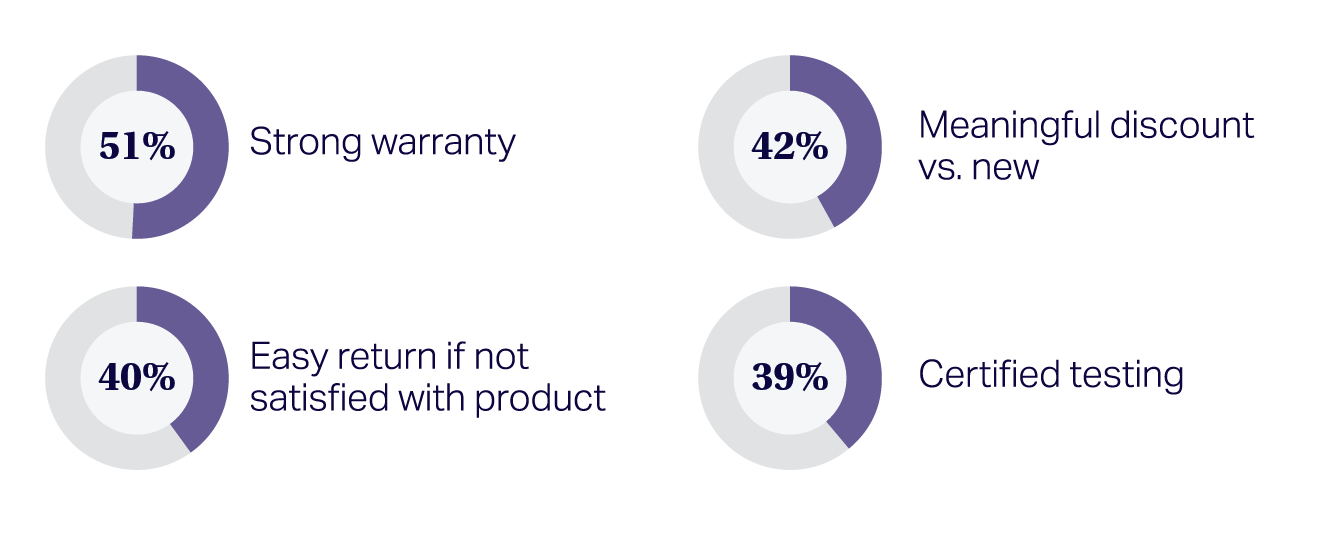
When asked what would make them more willing to buy a refurbished consumer tech product, the top preferences were a strong warranty (51%), a meaningful discount versus new (42%), easy return if not satisfied with the product (40%), and certified testing (39%)—highlighting that trust and perceived risk are the key concerns manufacturers should address.
Which of the following would make you more willing to buy a refurbished/renewed product?
Again, the important insights come with the breakdown of potential acceptability by region for each product category. Overall, Saudi Arabia leads in willingness to consider a refurbished item in any category, followed by South Africa and Mexico. In contrast, Japan, Germany, and Czechia materially under-index across each category, reflecting more entrenched preferences for new products.

“Refurb gives manufacturers and retailers an opportunity to expand the potential buyer pool and to advance a sustainability narrative. Credible quality assurances are required, however, to overcome consumer barriers and drive volume growth.”
—Megan Moore, Head of Global T&D Retail Partnerships and Channel Development, NIQ

Refurbished smartphones already represent 11% of EU total sales volume
Source: NIQ Market Insights powered by GfK Intelligence, 2025)
Sustainability and product end of life
Sustainability remains an important possible differentiator for brands, with the potential to drive premiumization in certain markets and categories. Globally, 58% of consumers say that, all other factors (such as product price, features, and quality) being equal, they’d choose one technology brand over another because it has a more environmentally friendly reputation—and 41% claim they’re willing to pay up to 10% more for a consumer tech product that’s also environmentally friendly.
What’s evolved is consumers’ motivation around sustainability. For T&D purchases overall, this is currently anchored more in practical product attributes than in eco-friendly intent. Globally, far greater numbers of consumers say that durability (86%), repairability (82%), and energy efficiency (81%) are “very” or “somewhat” important in deciding which consumer tech or home appliance product to buy than say the same for the product having low packaging waste (55%), low transport emissions (52%), or being made from recycled or recyclable materials (51%).15
Of course, the weight consumers place on these attributes varies considerably across different categories. Major domestic appliances, for example, have high energy consumption over their lifecycle, which makes energy efficiency a much greater influence on the purchase decision for these items, compared with IT, SDA, or Telecom devices. Durability and repairability will have the greatest influence as a differentiator for products that people expect to keep for several years and that are relatively expensive to replace—think smartphones, “white goods” (aka large appliances), TVs, vacuum cleaners, and mobile PCs.
When asked what they do with a tech product when they’re done with it, consumers were most likely to say they give it to family or a friend (37%). This is followed by recycling it at an official collection point (35%), selling it second-hand (34%), or keeping it as a backup (30%). At present, only 25% say they currently trade in their old product with a retailer. This signals a key unmet need for consumers, given that 64% say having the option to trade in their old product is an important factor in deciding which new tech product to buy.
Regionally, the sustainability picture varies sharply from country to country—both in the level of importance placed on eco-friendly factors and in willingness to pay more. In general, China, India, Saudi Arabia, and South Africa all over-index across nearly all sustainability measures, while Canada, Germany, Japan, and the United States all present the highest proportion of consumers who are not willing to pay more for a tech product that’s also more environmentally friendly.
Section takeaways
Sustainability should increasingly be framed in terms of product value (e.g., longer-lasting, lower cost to run, repairability) and not just ethics. Product end of life considerations, such as trade-in offers, are becoming a more important differentiator for many consumers in markets where circular infrastructure is scaling fastest.
5. Learn from challenger brands
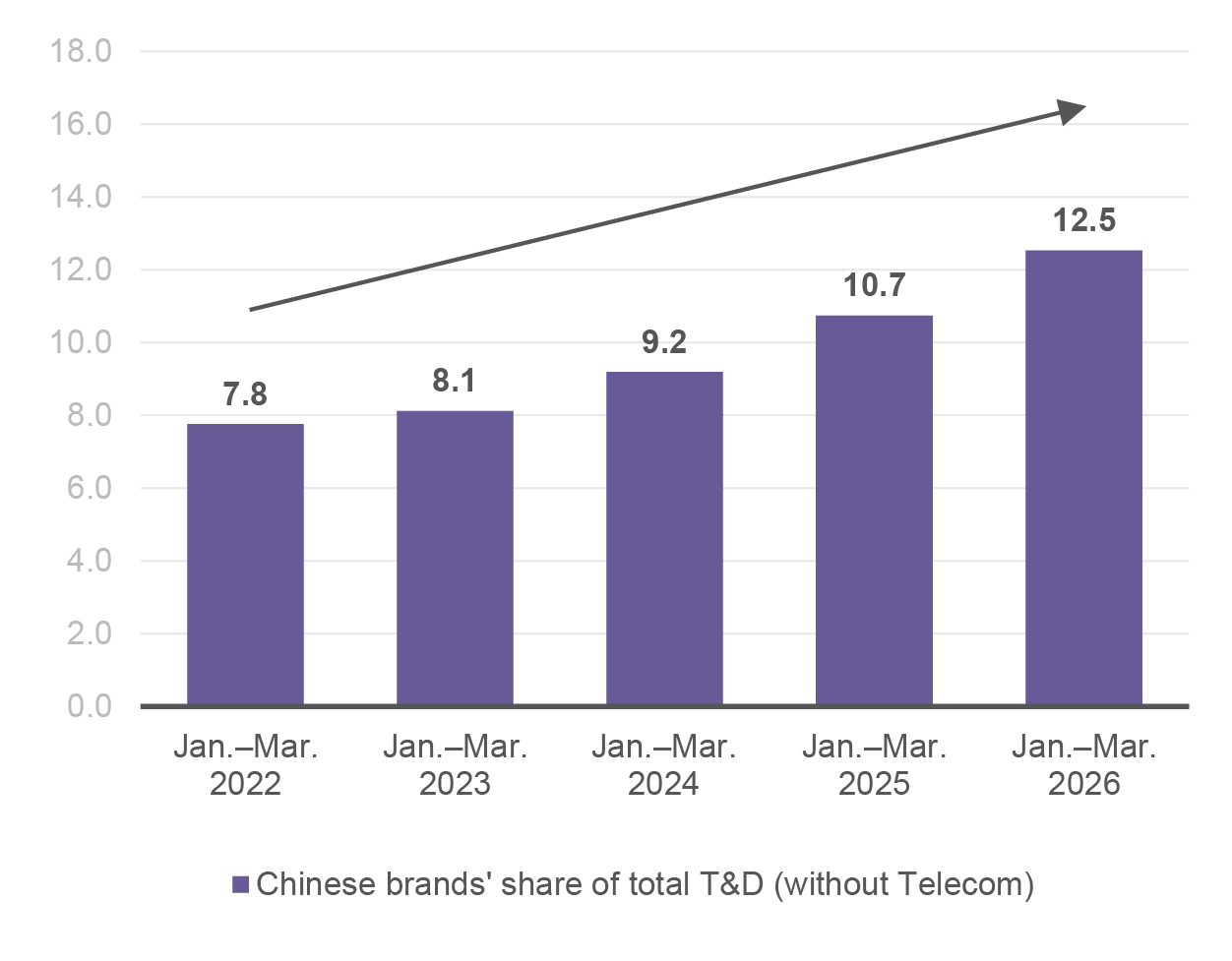
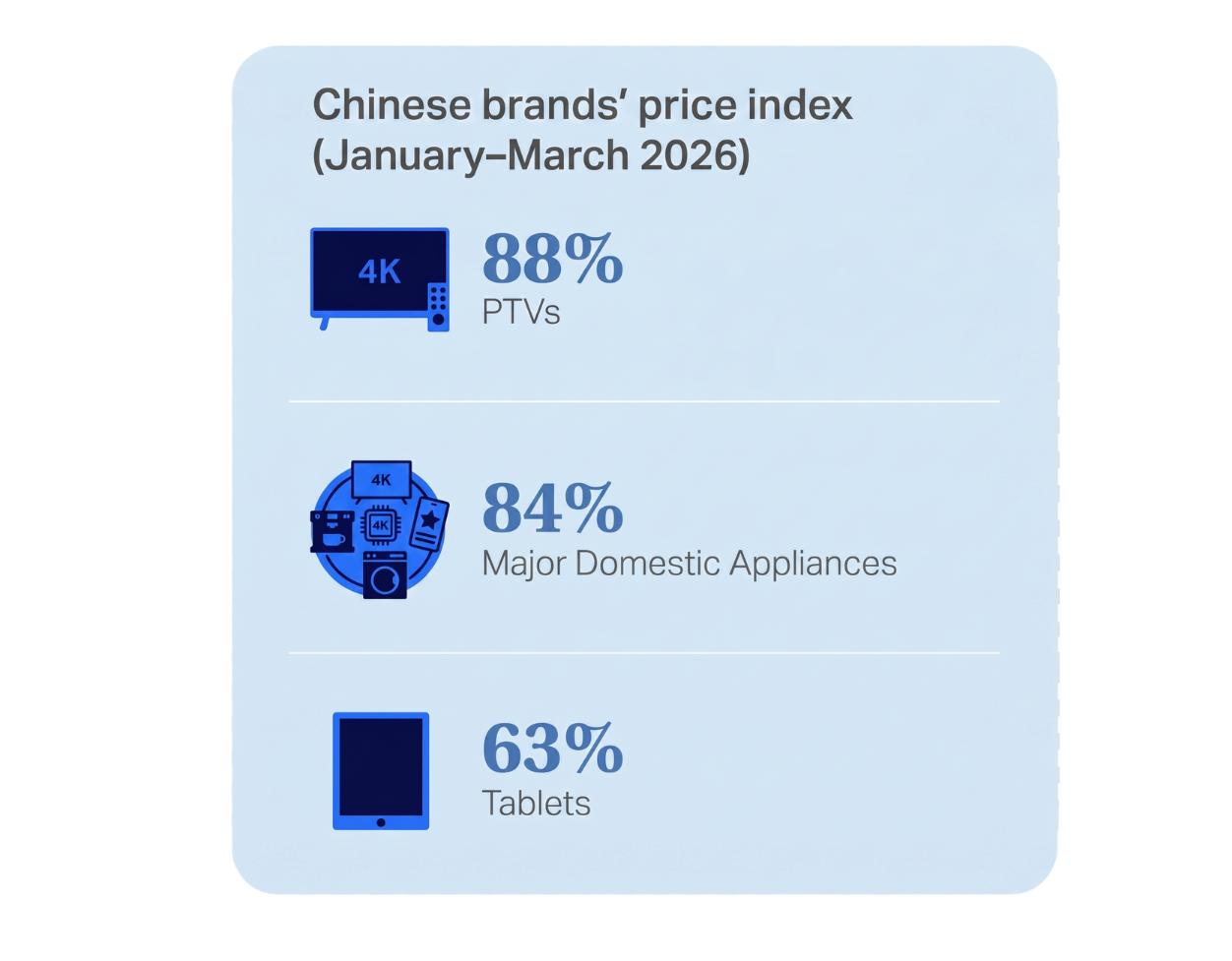
As shown in previous chapters, consumers’ justified consumption mindset is reshaping competitive dynamics. Consumers appear more open to buying new or challenger brands that offer perceived quality at a competitive price. This growing technology industry trend is reflected in the steady expansion of Chinese brands across international markets—including in categories other than smartphones. Once established within a new market, with the trust of consumers regarding product quality and value at competitive prices already won, Chinese brands are able to move more premium-priced products. This is reflected in the increase in price index for Chinese-brand TVs, major domestic appliances, and tablets in Q1 this year.
Chinese brands are steadily expanding their market share internationally
Expansion is not limited only to Telecom products.
Global (excl. China, North America, and Russia) Tech & Durables sales value (USD). Share of all brands, Q1 2022–Q1 2026
“In 2027, incumbents will need to compete with challenger-brand clarity. Winning brands will make value easier to see, easier to compare, and easier to trust at the point of choice.”
—Perry James, Global Head of Tech & Durables, NIQ
The increased use of AI-led search and agentic shopping is likely to accelerate this trend by changing online product search and discovery for consumers, reducing some traditional shelf advantages, and increasing the importance of message clarity.
This doesn’t mean brand equity matters less, however. As we’ve seen in previous chapters, while consumers are focused on price, they’re also looking for reassurance that they won’t be disappointed in their product choice—and brand reputation is one of the top factors that influences that decision.
How much do the following factors influence your final purchase decision on which consumer tech and home appliance products to buy?
(Strong or very strong influence)
Section takeaways
Brands must work harder to be visible at the moment of choice, with clear messaging around both price and trust. With numerous touchpoints and the increasing ease of direct-to-consumer outreach, consumers’ ability to discover new brands has become greater than ever. Challenger brands appear to be attracting consumers via competitive prices and clear messaging—both of which are increasingly important in the agentic commerce era. Increasingly, though, consumers aren’t looking for the lowest price; they’re looking for an unregretted price, and messaging that promotes trust is gaining attention.
6. Position for AI-driven discovery: Develop retail channels into connected ecosystems

“When AI mediates the purchase decision, the shelf disappears. What replaces it is structured data, verified availability, and purchase signals. Brands that invest in machine-readable product representation now will have the advantage when AI-driven commerce scales.”
—Lisa Lovallo Ceppos, Head of AI Commerce, NIQ
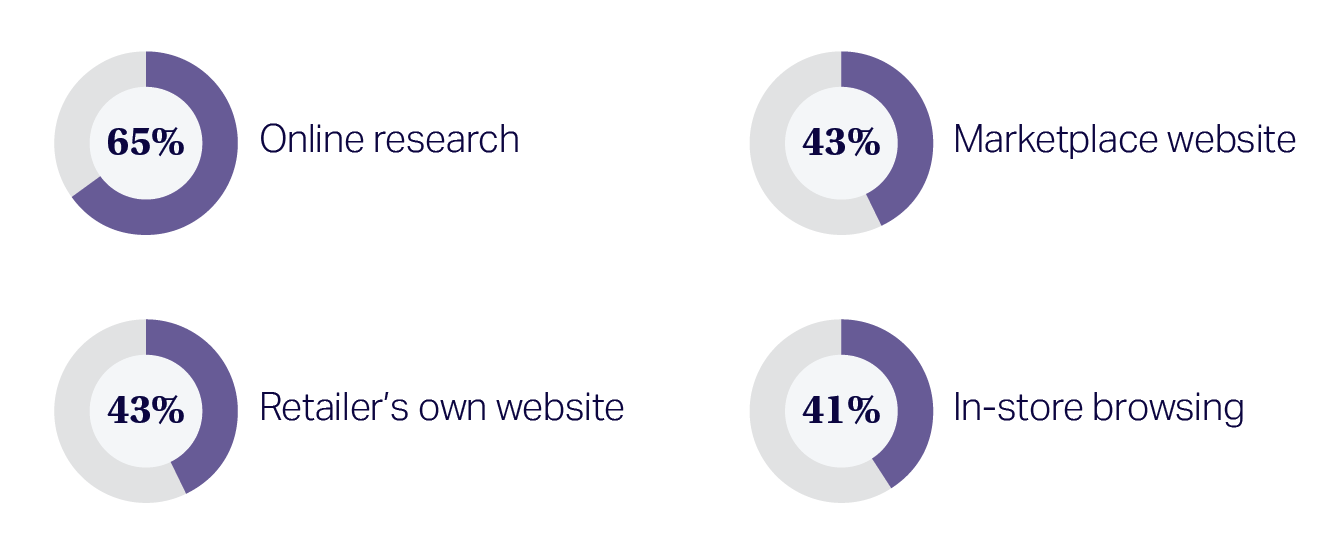
Nearly two-thirds (65%) of consumers say they typically start their research for consumer tech and home appliances online. This reflects the speed, convenience, and variety of assortments that online channels offer consumers in finding products and comparing key criteria such as price, features, user reviews, and delivery speed.
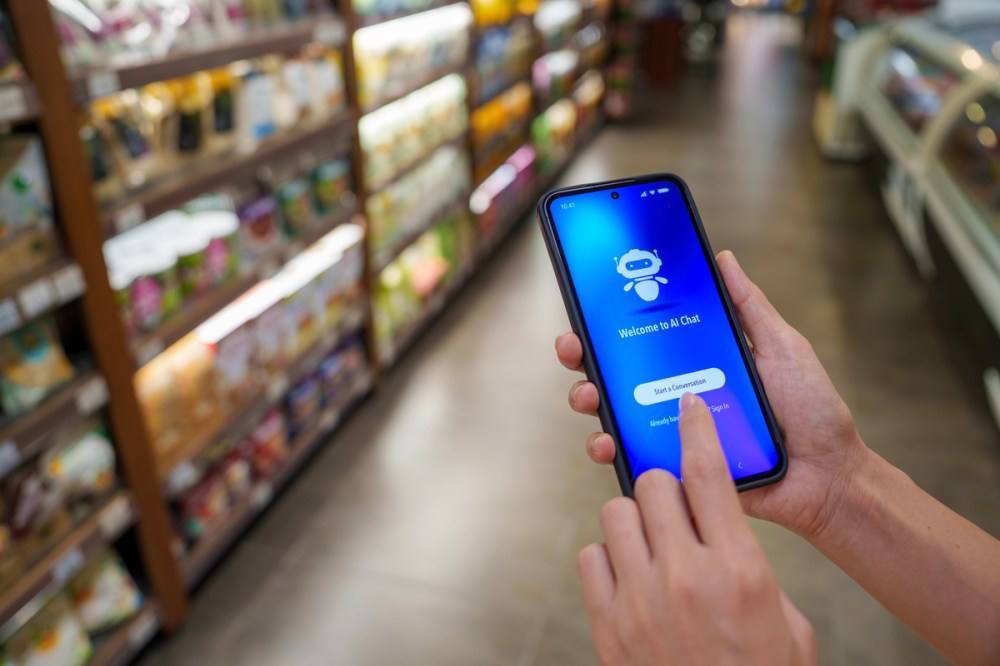
AI-powered search and agentic commerce are among the most disruptive shopping trends impacting the consumer technology sector. As these future technology trends continue to evolve, brands will need to optimize both human-facing and machine-readable product information.
Such behavior is a significant strategic issue given the growing numbers of consumers who are relying on AI-powered search—a dynamic which radically changes the landscape for consumer consideration before brands even enter the conversation. As AI systems take on more of the work of product discovery, evaluation, and recommendation, the criteria for product selection change fundamentally. Brands that structure their product data, availability signals, and purchase history for machine readability will be better positioned than those optimizing only for human-visible search.
When you research consumer tech and appliances, where do you typically start your research?
(Multiple selections allowed)
NIQ Commerce Lab
AI systems select products based on data signals most brands aren’t tracking yet, such as structured attribute completeness, real-time availability, and product representation accuracy. NIQ Commerce Lab is building the infrastructure brands need to remain visible as AI-driven commerce scales.
Online channels, including social commerce, are also increasing their importance as consumers’ chosen points of purchase. While in-store still dominates for share of total sales value for T&D products, online channels are growing. In Q1 2026, 36% of total T&D sales value overall came from online channels, rising to 50% or more for IT and SDA.
Online sales now account for 36% of total T&D sales
In-store sales still account for most T&D sales value—except for IT and SDA, where the split is close to even.
Global (excl. North America and Russia) Tech & Durables, share of online channel vs. total sales (USD)
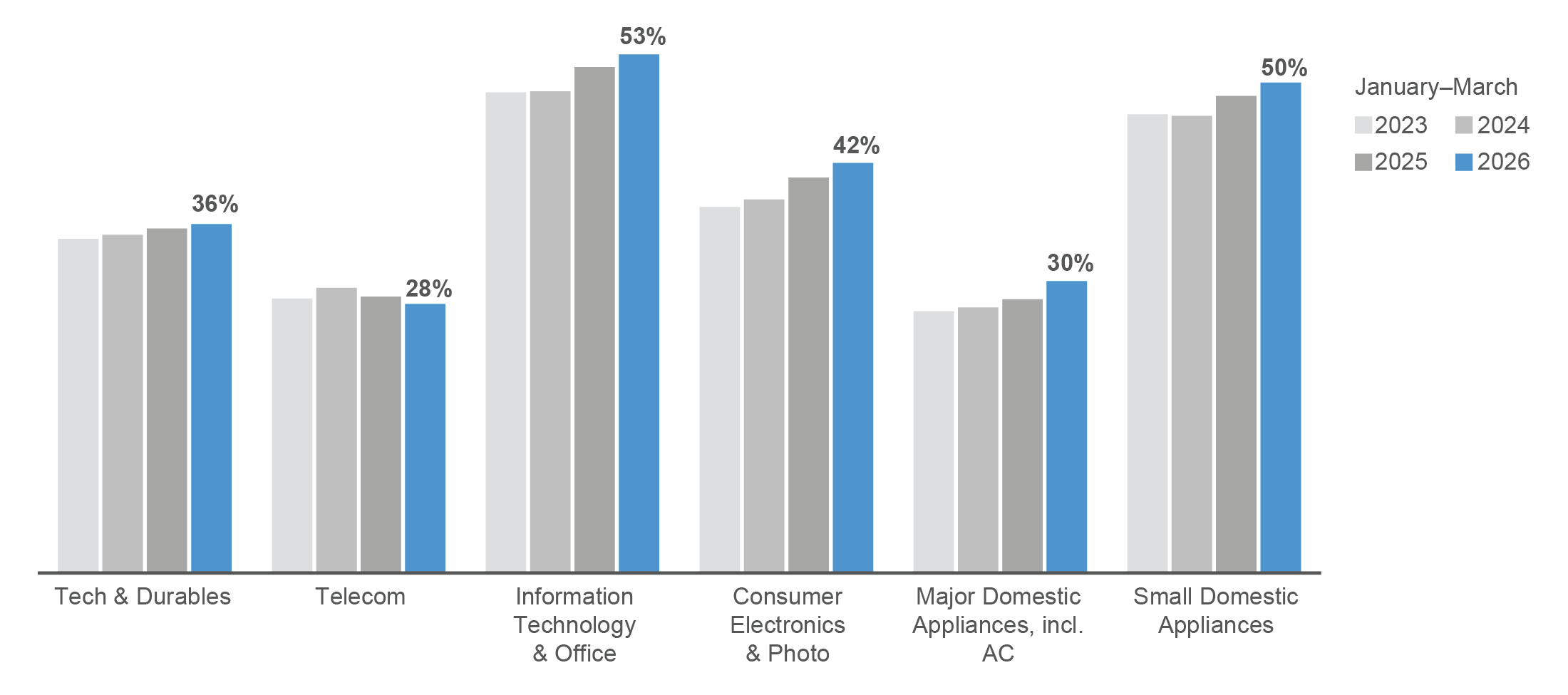
Modern consumers move increasingly fluidly across an expanded range of channels, making siloed channel strategies less effective in many contexts. To compete effectively in this evolving commerce landscape, brands and retailers should build a more connected ecosystem of channels that supports discovery, evaluation, and conversion across key consumer touchpoints. These include social channels, marketplaces, manufacturer and retailer websites, reviews, and in-store experience.
Section takeaways
Retail is no longer about persuasion alone; it’s about being discoverable, relevant, and confidence-building wherever the consumer is present and forming their purchase decision. As AI search begins to influence consumer consideration in more purchase journeys, manufacturers and retailers should consider treating channels not as silos, but as reinforcing trust loops.
The next growth frontier: Consumers’ unmet needs
Looking ahead, demand is coalescing around practical, outcome-driven technology innovation. Our data indicates that global appetite is strong for features such as durability, simplicity of use, energy management, and predictive maintenance, as well as for autonomous products and those with on-board AI that enhances performance or efficiency. There’s also notable interest in brands offering product trade-in or upgrade programs.
Thinking about possible future purchases, how interested are you in the following?
(Very or somewhat interested)
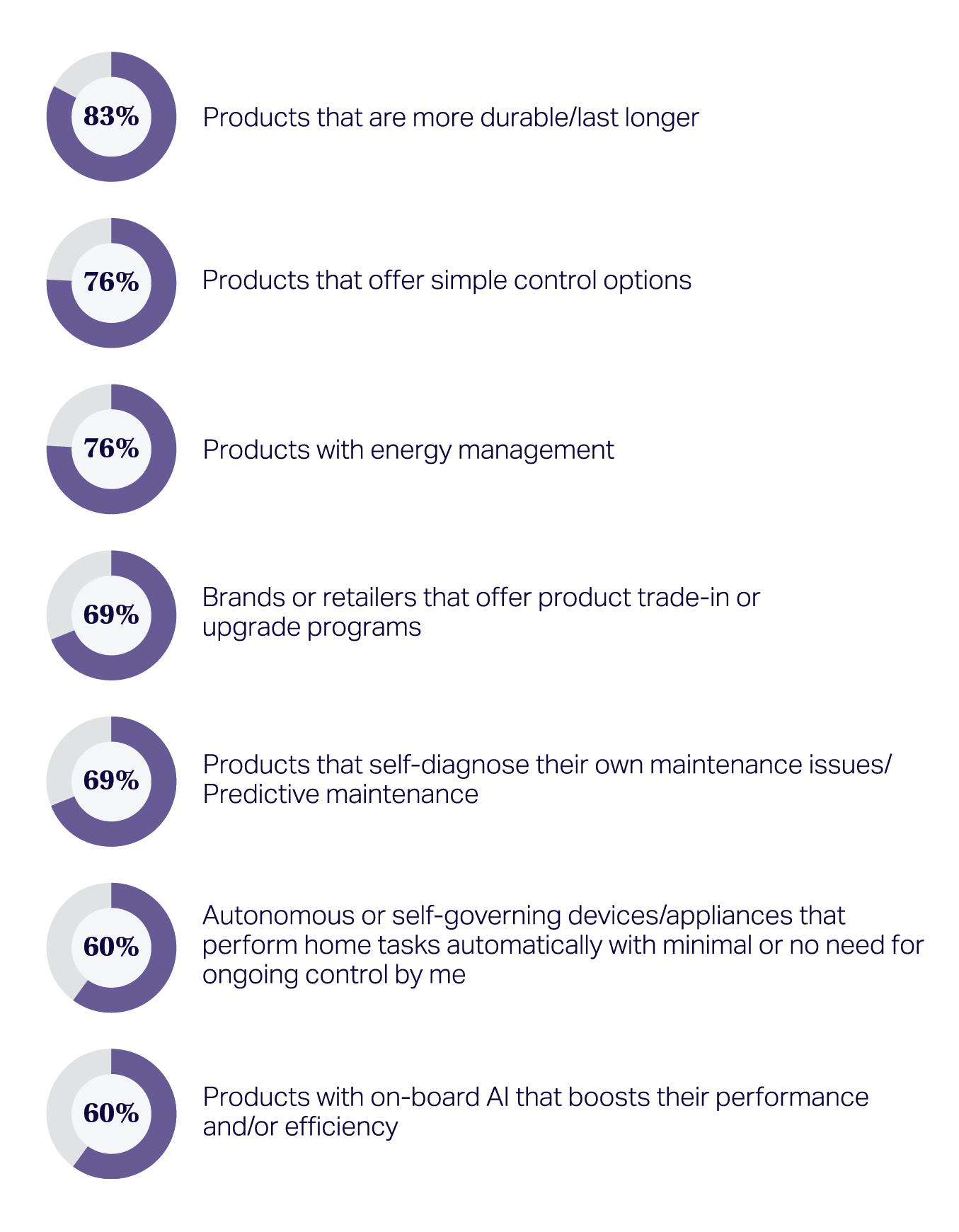
Consumers’ stated future spending intentions for Consumer Tech & Durable Goods (T&D) also remains largely positive, with interest fairly evenly distributed across categories: Nearly four in 10 (37% of) consumers intend to spend “much more” or “somewhat more” than last year, and around half (47%) intend to spend the same amount.
Looking at geographic differences, claims around increased spending are highest in India, Saudi Arabia, and Brazil, while consumers in Germany, Japan, and South Korea are the most likely to say they plan to spend the same amount as last year.
Chapter 4 takeaways
To win, manufacturers and retailers should prioritize innovation that lowers total cost of ownership, reduces user hassle, delivers wide interoperability, and improves everyday outcomes. Just as critical is to earn and keep trust through product quality, performance, and durability.

Understand your consumers and shoppers through purchases, clicks, and trends—and the motivations behind them. Explore NIQ’s Consumer Behavior & Insights solutions.
Five strategic implications for manufacturers and retailers
The next wave of technology trends will likely be defined less by novelty and more by utility. The future of technology within the Consumer Tech & Durable Goods (T&D) industry will be shaped by products that reduce friction, improve efficiency, and clearly demonstrate value throughout the ownership lifecycle.
Growth in T&D is still occurring, but opportunity may increasingly favor brands that respond to consumers’ justified consumption mindset—and design their portfolios, pricing, innovation, and routes to market accordingly.
“In 2027, relevance must be designed into every stage of the purchase journey. For brands, this means making value more targeted and obvious, trust mechanisms more visible, and the decision to buy feel easier.”
—Perry James, Global Head of Tech & Durables, NIQ
1. Shift from “innovation-led” to “justification-led” growth
Innovation still matters—but it must be:
- tangible;
- demonstrable;
- and value-justified.
Messaging must create confidence to address consumers’ primary question: “Will I feel this [purchase] was worth it six months from now?”
2. Compete on total value, not headline price
Winning brands will focus on:
- product durability and lifetime cost economics;
- tech interoperability and ecosystems focused on time saved, energy efficiency, and productivity gains;
- and transparent feature communication (especially for AI-enabled products).
3. Design for polarized demand: Deliver price value or premium justification
Expect bifurcation:
- Growth in entry-level and value tiers
- Selected growth in premium products that offer clear value, utility, and differentiation
- Pressure on the mid-tier “undifferentiated middle”
4. Treat promotions as strategic demand architecture
With 35% of total T&D sales value tied to the top seven annual promotional events:16
- Promotion strategy should be viewed as core to growth, not tactical.
- Inventory and supply chain strategy should be designed to respond to spiky demand patterns where promotional events materially affect sales.
5. Optimize for AI-driven discovery as well as human search
As AI becomes a purchase gateway:
- Product data quality, comparability, and visibility are critical.
- Brands must optimize their online presence for machine-readable differentiation.
In the modern era of justified consumption, value for money doesn’t mean the cheapest, brand alone doesn’t guarantee preference, and innovation alone doesn’t guarantee conversion. A product’s relevance should be obvious at the moment of decision—otherwise consumers may delay their purchase or switch to a brand or retailer that makes the decision easier.
Why NIQ?
NIQ delivers a broad and detailed understanding of consumer buying behavior, helping reveal potential pathways to growth. By pairing robust shopper and market data with AI-powered predictive analytics, we help clients understand what is happening, why it may be happening, and potential actions to consider. Use the links below to explore how we can help you measure, understand, and optimize every stage of your growth journey.
| Understand your shoppers | Deliver the right products to the right customers, via the right channels, and at the right price through a granular understanding of who your consumers are, how they shop, what they buy, and why. | – Consumer Behavior & Insights – gfknewron Consumer for manufacturers – gfknewron Consumer for retail |
| Identify the right opportunities | Grow your business and market share with a complete view of performance across product categories, retail channels, and global markets. | – Market Measurement – gfknewron Market for manufacturers – gfknewron Market for retail |
| Drive the right strategies and innovation | Support product innovation with NIQ’s advanced predictive analytics, which can help identify promising white spaces, build stronger value propositions, and optimize product experience and marketing activation. | – Innovation – gfknewron Predict for manufacturers – gfknewron Predict for retail |
| Optimize your distribution | Support your business objectives with solutions that help optimize omnichannel commerce, develop more effective assortments, and manage your supply chain. | – Analytics & Activation – gfknewron Supply Chain for manufacturers |
| Optimize for agentic commerce | Help your products remain visible in the evolving world of agentic commerce, where AI may increasingly shape how consumers navigate choices and make purchase decisions in real time. | NIQ Commerce Lab |
Disclaimer: All product and company names are trademarks™ or registered® trademarks of their respective holders. Use of them does not imply any affiliation with or endorsement by them.
Forward-looking statement:
This report may contain forward-looking statements regarding anticipated consumer behaviors, market trends, and industry developments. These statements reflect current expectations and projections based on available data, historical patterns, and various assumptions. Words such as ‘anticipate,’ ‘believe,’ ‘expect,’ ‘forecast,’ ‘estimate,’ ‘intend,’ ‘may,’ ‘could,’ ‘should,’ ‘will,’ ‘would,’ ‘project,’ ‘outlook,’ ‘positioned,’ ‘designed to,’ ‘enable(s),’ and similar expressions are intended to identify forward-looking statements. These statements are not guarantees of future outcomes and are subject to inherent uncertainties, including changes in consumer preferences, economic conditions, technological advancements, and competitive dynamics. Actual results may differ materially from those expressed or implied in these statements. While we strive to base our insights on reliable data and sound methodologies, we undertake no obligation to update any forward-looking statements to reflect future events or circumstances, except to the extent required by applicable law.
© 2026 Nielsen Consumer LLC. All rights reserved.
- Source: NIQ Market Insights powered by GfK Intelligence Category. This scoring system was developed from mentions of “Price” and “Promotion” in response to key brand and retailer choice driver questions, as well as price comparison site usage. The more mentions of these terms, the higher the price sensitivity score.
- Source: NIQ GfK Market Intelligence: Sales Tracking, Total market estimation incl. North America, based on USD; Forecasting date: May 15, 2026, assuming stable USD exchange rate. North America estimation based on cooperation with the Consumer Technology Association (CTA).
- Source: NIQ gfknewron Consumer, Initial trigger reason for purchase, Full-year 2025, Based on 19 T&D product categories; Countries: France, Germany, Great Britain, Italy, Japan, Netherlands, Poland, and Spain
- Source: NIQ gfknewron Consumer, Initial trigger reason for purchase, Full-year 2025, Mobile Computing
- Source: NIQ GfK Panelmarket and Optics channels, Sales volume reported in Euro (fixed rate), EU5 countries
- Source: NIQ Consumer Tech & Durable Goods consumer survey 2026
- Source: NIQ Consumer Tech & Durable Goods consumer survey 2026
- Source: NIQ GfK Market Intelligence: Sales Tracking, International coverage (excl. North America and Russia), Sales revenue growth 2025 vs. 2024
- Source: NIQ gfknewron Consumer, 2025; Vacuum cleaners; Countries: Austria, Belgium, France, Germany, Italy, Netherlands, Poland, Spain, and Switzerland
- Source: NIQ Consumer Tech & Durable Goods consumer survey 2026
- Source: NIQ Consumer Tech & Durable Goods consumer survey 2026
- Source: NIQ gfknewron Consumer
- Source: NIQ gfknewron Consumer
- Source: NIQ Consumer Tech & Durable Goods consumer survey 2026
- Source: NIQ Consumer Tech & Durable Goods consumer survey 2026
- Source: NIQ GfK Market Intelligence: Sales Tracking Weekly Data, January–December 2025. Top seven promotion events: Amazon Prime Days, Black Friday, Christmas sales, Cyber Monday, January/New Year‘s sales, Mother’s Day sales, International Women‘s Day, Back to School.

Price isn’t slowing tech growth. Unclear value is.
Consumers haven’t stopped spending; they’ve just raised the burden of proof. They want tech products that deliver pertinent outcomes, earn their trust, and feel worth owning long after checkout. Brands must build a value story shoppers can identify with, compare, and justify.